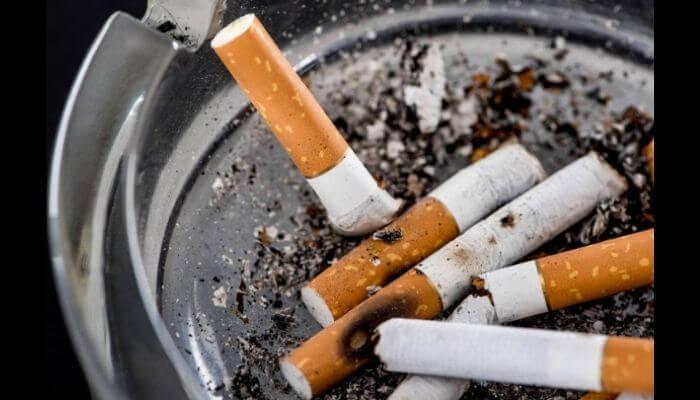
Health stakeholders and advocates are pushing for a 50 percent increase in taxes on tobacco products, arguing that higher prices would discourage smoking, reduce related illnesses, and safeguard public health.
Speaking on the second day of the Gatefield Health Summit 2025 held in Abuja, experts from civil society groups and tobacco control networks stressed that Nigeria cannot continue to sacrifice citizens’ health for industry profit.
Michael Olaniyan, Nigeria’s Country Representative for the Campaign for Tobacco-Free Kids, said increasing tobacco taxes remains one of the most effective ways to curb smoking, particularly among young people. He noted that Nigeria’s current tax regime falls short of the World Health Organization’s (WHO) recommended benchmark of 75 percent of the retail price.
“We are calling on the Federal Government to increase tobacco taxation to at least 50 percent as a first step. Countries that have taken bold action through taxation have seen remarkable drops in tobacco use, reduced health costs, and improved productivity. Nigeria should not be an exception,” Olaniyan said.

He stressed that the government must protect public health policies from the influence of the tobacco industry, noting that industry players often downplay the dangers of their products by sponsoring misleading campaigns and social programmes.
In the same vein, Chibuike Nwokorem, programme lead at the Nigeria Tobacco Control Alliance (NTCA), described tobacco in all its forms, cigarettes, snuff, or newer electronic alternatives, as poisonous and addictive. He accused tobacco companies of exploiting weak enforcement mechanisms and urged the government to resist prioritizing revenue over citizens’ well-being.
“No matter the form, tobacco is harmful! The government must not sacrifice the health of Nigerians at the altar of corporate profit. These companies boast about the taxes they pay, but no amount of revenue can equate to the health burden they create,” Nwokorem stated.
He added that Nigeria has existing laws, the National Tobacco Control Act of 2015 and the Regulations of 2019, which prohibit the sale of single sticks and restrict tobacco advertising, but enforcement remains poor.
Read also: WHO urges ban on flavoured tobacco products

“Our law prohibits the sale of single sticks of cigarettes and sales to minors under 18. Unfortunately, these laws are rarely enforced. The industry uses corporate social responsibility as a smokescreen to polish its image and gain access to government and youth programmes,” he said.
Nwokorem also referenced Article 5.3 of the WHO Framework Convention on Tobacco Control (FCTC), which Nigeria ratified in 2005, calling on governments to protect public health policies from interference by tobacco companies.
He noted that the industry still sits in policy-making spaces through associations such as the Manufacturers Association of Nigeria, thereby influencing decisions that should prioritize citizens’ health.
Other participants at the summit, including Ummi Musa Umar, Aisha Mustapha, and Kenneth Anetor, highlighted the link between tobacco use, substance abuse, and the rising incidence of non-communicable diseases, including cancer. They argued that weak regulation, poor enforcement, and limited funding for preventive health interventions continue to expose Nigerians to avoidable risks.