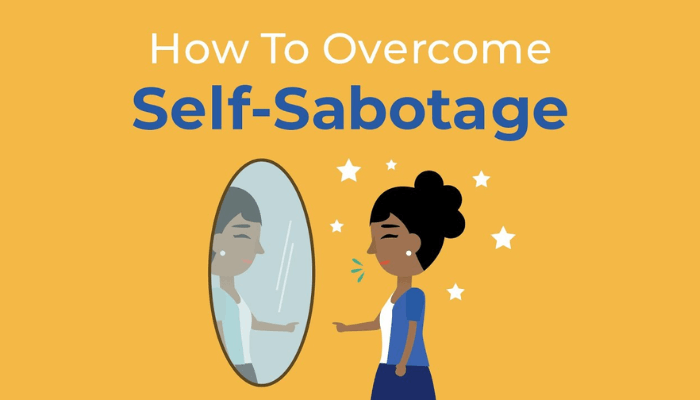
Have you ever noticed that voice in your head that speaks harshly when you make a mistake or fall short on a task? I have. Over time, I realised that what I was hearing wasn’t wisdom or correction, it was the voice of shame. Whenever I missed a deadline, woke up late, or made an error, I would spiral into self-judgment. That inner voice wasn’t kind; it was critical and often left me feeling defeated.
For me, as someone with a melancholic temperament—naturally introspective, perfectionist, and detail-oriented—this inner critic was relentless. Unlike a more spontaneous personality (like the sanguine type), who might brush things off easily, I would sit with my perceived failures for far too long.
But our personalities aren’t the only reason we struggle with self-sabotage. Our upbringing and experiences play a significant role. Were you affirmed and validated as a child, or constantly criticised, compared, or ignored? Did you grow up in an environment of love and safety or conflict, instability, and emotional neglect?
These early imprints shape the inner dialogue we carry today. When these voices go unchecked, they create patterns of self-sabotage, keeping us stuck in fear, shame, or low self-worth.

Here’s how you can begin to silence that inner critic and heal:
• Acknowledge the Voice: Don’t ignore it. Become aware of when it shows up and how it sounds. Recognising this voice is the first step to changing it.
• Practice Mindfulness: Pause to notice your thoughts and emotions without judgment. What triggered them? What do they remind you of? Mindfulness brings clarity.
• Ask Reflective Questions: What messages did I grow up hearing? What experiences may have shaped this belief? Is this voice even mine?
• Start Journaling: Document your thoughts and patterns. Writing gives your emotions space to be seen, felt, and understood.

• Practice Self-Compassion: When that inner critic rises, respond with truth and kindness: “I made a mistake, but I am not a mistake.” “I’m still learning, and that’s okay.”
• Speak Affirmations and Prayer Confessions: Replace lies with truth. Speak life over yourself daily. Use Scripture, declarations, and kind words.
• Create Safe Spaces: Surround yourself with people who affirm your growth and remind you of who you are—set boundaries with voices that echo the critic within.
Healing doesn’t happen overnight. It’s a journey—one of becoming, forgiving, and rising. The voice inside you can change, and it begins with giving yourself the love you so freely give to others.