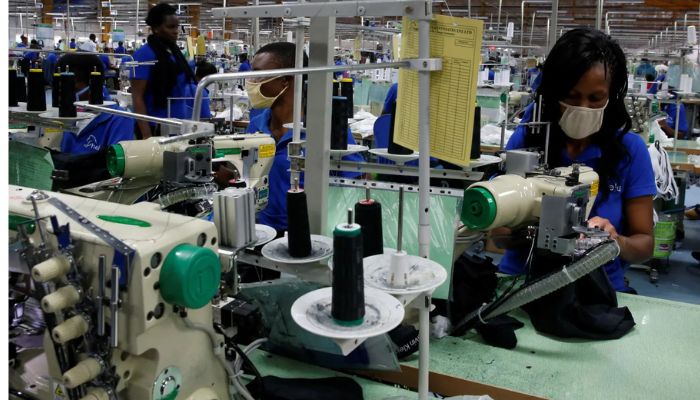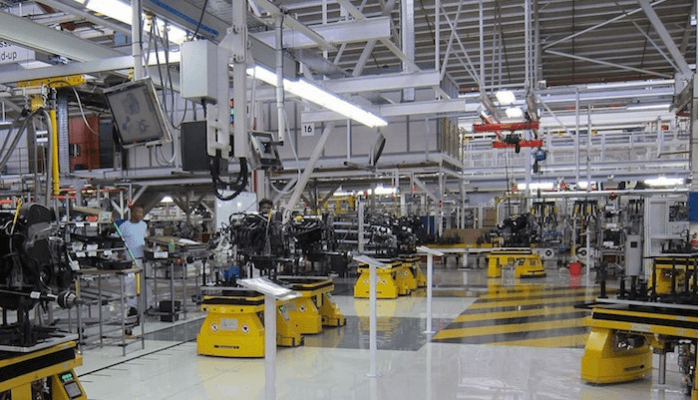
Guinness Nigeria plc, Nosak Group and Wemy Industries are confident of giving a strong showing when the African Continental Free Trade Area (AfCFTA) begins in July.
But they say the federal government must address issues around policy flip-flops, poor infrastructure and challenges at Lagos seaports to enable them compete better.
Baker Magunda, chief executive officer of Guinness Nigeria plc, said the brewer was ready for the continental opportunity.
“We have been exporting and still do in many countries,” he told Real Sector Watch in an interview.

Guinness exports its products to several parts of Africa. The brewer invested N52 billion in capacity expansion about 10 years ago and recently pumped N2 billion into expanding its non-alcohol brands.
Nosak is a diversified business group with interests in agriculture, finance, logistics/haulage, real estate and manufacturing. The distillery plant was established in 2001 in Lagos and it manufacturers food-grade ethanol which serves as a raw material for paint makers, pharmaceuticals, soap manufacturers, perfume makers and brewers, among others. The group has invested more than $75 million in three ethanol plants in the country and recently commenced the process of setting up a backward integration project in Edo State.
Osaro Omogiade, managing director of Nosak Distilleries Limited, told Real Sector Watch that his company was well positioned to tap opportunities in the AfCFTA.
“Let me even take you from the point of the Group. The Group’s presence in the export free trade zone is an indication that we are ready. We have resumed export to neighbouring West African countries, commencing with Ghana,” he said.
He further said that steps taken by the company signified readiness for the upcoming continental trade treaty.

“We believe in living global because of the associated advantages. If you do export, you will hedge against the foreign exchange problems,” he explained.
He noted that the company had experimented with some neighbouring West African countries, which placed it on the right footing for regional and continental competitiveness. “After Ghana, we plan to go to other African countries. That has always been our roadmap— to export to most African countries. We are also looking at other countries such as Togo, Benin Republic, Cote d’ivoire, Angola and Central African Republic. Those are the countries we are looking at, and we have the capacity to do so,” he disclosed.
The AfCFTA is targeted at creating a single market for Africa and it opens an opportunity for Nigerian companies to tap into the continental opportunities.
Paul Odunaiya, managing director and CEO of Wemy Industries, imported a new adult diaper line with a view to tapping opportunities in the AfCFTA.
He said of all the lines in his factory, the adult diaper lent itself for exportation easily.
“If you go to West Africa, a lot of Chinese firms dump cheap diapers into the market because of weak policies and regimes,” he said.
‘But that happens in the baby diapers category, but it is less so in the adult diapers category. The price points we can manufacture is so strong that even if there is dumping, we are still competitive,’ he assured.
But these manufacturers say the government must create the right environment for real sector players to thrive.
For Odunaiya, the government must put a diaper policy to cut importation of substandard products.
For Magunda, the issue of infrastructure must be taken seriously.
“The things that we still have to do are operational. If Apapa Port does not improve, I will get orders from Ghana, from Ivory Coast, but I can’t supply,” he said.
“It does not matter how competitive I will be in terms of cost of production. But if I cannot move goods out of this port, I cannot be competitive. So, the guys will be looking at Douala Port and wherever they can import stuff,” he further said.
He stressed the need to upgrade infrastructure to facilitate manufacturing.
He further said the government needed to speed up incentives for exporters.
“We currently have the Export Expansion Grant (EEG) where, whenever you export, you get some grants. But when it takes seven to 10 years to get the money refunded, it defeats the purpose for which it was put in place. That is the policy we ask from the government as we grow into the export business,” he said.
Odinaka Anudu