|
Getting your Trinity Audio player ready...
|
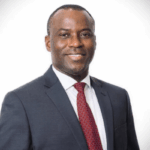
Mamady Doumbouya, Guinea’s military ruler, has officially entered the presidential race, four years after seizing power in a coup that toppled long-time leader Alpha Condé. His decision marks a dramatic reversal of his earlier pledge not to take part in elections aimed at returning the country to civilian rule.
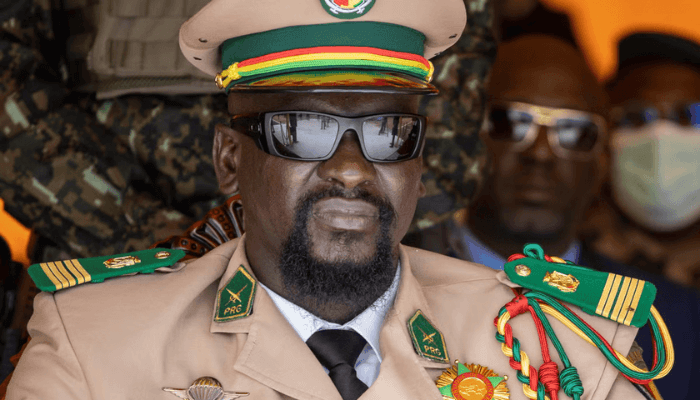
The general, dressed in a dark suit and his signature black sunglasses, arrived at the Supreme Court in Conakry on Monday to submit his candidacy papers, just hours before the deadline for the December 28
vote. He did not make any public statement.

The upcoming election is the first since Doumbouya led special forces to oust then-83-year-old Condé in September 2021, accusing him of corruption, human rights abuses and economic mismanagement. At the time, the young colonel promised a transition to democracy, saying, “Neither I nor any member of this transition will be a candidate for anything. As soldiers, we value our word very much.”
Guinea’s GDP jumps 51% after rebasing, boosting fiscal credibility
That word appears to have changed.
A new constitution approved in a September referendum cleared the way for Doumbouya’s candidacy, overturning earlier arrangements that barred junta members from contesting elections. The charter also introduced age limits for candidates — between 40 and 80 years — and required them to reside in Guinea.
Read also: Ouattara, Ivory Coasts 83-year-old incumbent president wins election in fourth term bid

Opposition parties and civil society groups have condemned his decision to run, calling it a betrayal of public trust and a blow to the country’s fragile democratic hopes. “This is not a transition; it is an entrenchment of military rule,” said one member of the Forces Vives, a coalition of opposition movements.
Concerns about the credibility of the vote are already mounting. Two of Guinea’s largest opposition parties — RPG Arc en Ciel and UFDG — have been barred from participating. The government’s decision to maintain a hefty deposit of 875 million Guinean francs (about $100,000) for presidential candidates has also drawn criticism for shutting out less wealthy contenders.
Read also: Samia Hassan sworn in for second term amid disputed vote in Tanzania
Under Doumbouya’s rule, Guinea has faced growing repression. Authorities have cracked down on dissent, banned protests, and suspended several media outlets. Internet access has been restricted during times of unrest, and rights groups have accused security forces of using excessive force against demonstrators.
The irony has not been lost on many Guineans. Doumbouya justified his coup against Condé on similar grounds, accusing the former president of silencing critics, undermining institutions and violating constitutional norms.
Now 40, Doumbouya is the youngest head of state in Africa, a former special forces officer who once served on international missions in Afghanistan, Ivory Coast and the Central African Republic.
The Supreme Court is expected to announce the official list of presidential candidates by November 13.
For now, more than ten contenders are believed to have submitted applications, but the absence of key opposition figures, including ex-president Condé and former prime ministers Cellou Dalein Diallo and Sidya Touré, all living in exile has further deepened doubts about whether December’s election will truly mark Guinea’s return to civilian rule.