



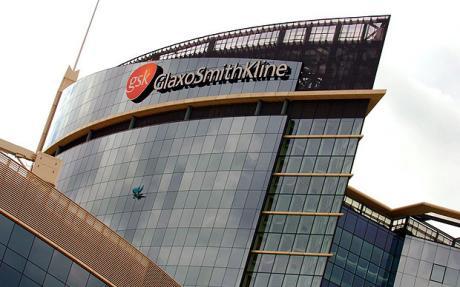
GlaxoSmithKline (GSK) Consumer Nigeria Limited, the publicly traded local subsidiary of the U.K’s biggest drug maker said recent fluctuation in the nation’s currency is leading to some cost pressures for the company.
“Exchange rate volatility is an issue,” said T.S Dayanand, managing director of the firm, in an interview with BusinessDay, held in Lagos yesterday.
“We will continue to manage that risk and have factored some of it in our budget. We intend to localise more of our manufacturing as much as possible, even as we currently produce 75 percent of our products locally.”
Pressure on the naira has intensified lately from falling global oil prices which have declined sharply since June 2014.

The naira, which has lost about 4.4 percent versus the dollar this year, ended trading yesterday at a low of N167.32 against the greenback, as foreign investors exiting stock and bond markets added to selling pressure on the local currency.
READ ALSO:
GSK recently posted 2014, 9M results showing an 8.81 percent growth in top line. Despite growth in revenue, the bottom line was pressured by a higher increase in cost of sale which surged by 18.63 percent.
Cost to sale ratio for the firm rose to 66.04 percent, compared to 60.57 percent posted in the previous year, while operating expense surged by 6.93 percent to N6.125bn from N5.728bn in the previous year.
Analysts say corporate earnings releases for most consumer goods counters have not been stellar, with GSK being one of the better results out of the sector.

“It has been a case of “double jeopardy” of lower revenues and rising costs,” said Saheed Bashir, an analyst at Meristem Securities Ltd, in a response to questions.
“Most of the companies such as Nestle, Cadbury, PZ, Unilever, GSK etc. operate a concentrated plant from which products are routed-to-the-market through wide distributorship across the country’s geographical spread. Unfortunately, the insecurity concern of northern Nigeria is taking its toll, not only in increasing cost of distribution but also in slowing volume of sales.”
Unilever Nigeria Plc recent 2014 Q3 results showed the company had a Year on Year (YoY) revenue cut of 4.35 percent to N43.632bn from N45.614bn. Operating expense ratio however surged by 20.66 percent to N13.120bn from N10.874bn in the previous year.
Nestle Nigeria Plc., recently reported third quarter revenue of N35.465bn relative to second quarter figure of N33.775bn, implying a growth of 5.01 percent.
Major cost line items for Nestle surged YoY to pressure earnings to a decline as cost to sales ratio inched up marginally, pegging at 56.85 percent against the previous level of 56.32 percent in 2013.
“Competition between the known quoted players and the smaller ‘unknown’ players is increasing due to the nature of products in the sector which usually have high number of close substitutes,” said Abiodun Keripe head, research and strategy, at Elixir Investment in a response to questions.
“Clearly, with moderating revenue growth, increasing operating cost due to the jump in advertising spend and in turn shrinking profitability, there will be a negative rob-off on valuations.”
Some analysts say market valuation for the consumer goods counters at the moment are looking somewhat more attractive, following the exit of most foreign investors from the market.
The NSE – ASI fell 2.3 percent yesterday, to below 36,000 as foreign investors continued to pull out of Nigerian assets.
Foreign equity holdings in the NSE currently stand at around $10bn, according to data from Standard Chartered.
“These stocks have always enjoyed foreign investors’ patronage before now, owing to their defensive nature (as they always swing positive even in recession),” said Bashir.
“Interestingly, they are currently trading at their year low (e.g. Cadbury, PZ, and Unilever) and as such present opportunities for bargain hunters.”
PATRICK ATUANYA



