The German government has revised down its forecast for economic growth next year from 1.5 per cent to 1 per cent, in a further sign of the slowdown that is clouding the prospects for the eurozone’s largest economy.
The economics ministry did not change its projection of 0.5 per cent growth in gross domestic product in 2019.
Germany’s economy has been roiled by global trade tensions, Brexit- related uncertainty and upheaval in the auto industry. It shrank by 0.1 per cent in the second quarter and is widely expected to suffer a further decline in the third, tipping it into recession.
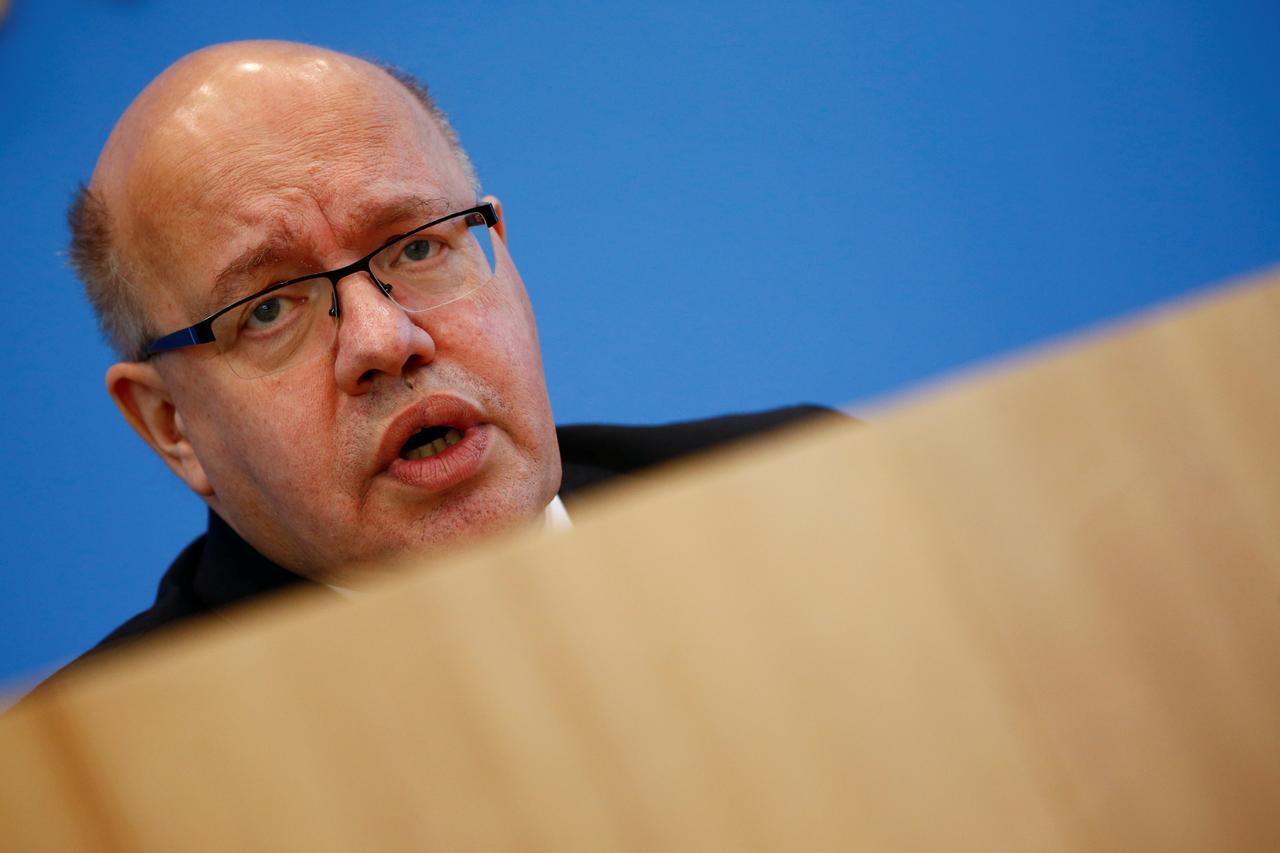
But the overall picture is mixed, a point stressed by economics minister Peter Altmaier when he unveiled the revised forecasts on Thursday.

He said Germany’s industrial production and the export sector were suffering a marked downturn. But other parts of the economy, such as craft trades and the construction industry, were booming, thanks to strong domestic demand.
Read also: German problem’ at ECB exposed by Lautenschläger departure
“They expect growth of 4 to 5 per cent this year, they’re desperately looking for qualified staff and their order books are more than full,” he said.
Mr Altmaier said that “even if the current prospects have dimmed, there is no threat of an economic crisis”. Employment and incomes are rising and Germany will have 45.4m people in work by the end of 2020, he said, up from 44.8m in 2018.
The Brexit deal agreed between the UK and EU on Thursday would help to improve the mood among German executives, he added, saying it meant “the feared negative effects of Brexit will be limited and we will have additional impulses for the economy”.

That point was echoed by Clemens Fuest, head of the influential Ifo Institute in Munich.
“The current plan to avoid border controls in Northern Ireland and move towards a wide-ranging tariff-free free trade agreement would be a good prospect for all those involved,” he said.
The economics ministry said that although uncertainty over Brexit and international trade conflicts had clouded the picture for German exporters, the trade related downturn would soon reach its “lowest point”. After that, foreign demand will pick up again and “Germany’s export economy will get back on its feet”, Mr Altmaier said.
The ministry also forecast that Germany’s current account surplus, which reflects the balance of trade between exports and imports, will fall to 6.2 per cent of GDP in 2020, down from 7.25 per cent in 2018. It said that while imports will decline next year, they would not drop as fast as exports.