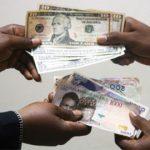
The crisis in the oil sector and the devaluation of the naira, which have made education abroad very expensive, appear to be driving parents to seek alternative countries with lesser fee for their children wishing to study abroad, BusinessDay investigations have revealed.
According to investigation, it now costs between N7 million and N12 million to send a child to foundation or A-Level for one year in popular destinations like the UK, USA, Canada, and this excludes costs of ticket and visa.
Report shows that in a year, Nigerian students in University of Ghana pay $4,657 for courses in humanities; $5,276 in law/administration; $5,276 in sciences, and between $5,000 and $7,000 in applied sciences for post-graduate studies.
Parents as a result of this huge forex burden now focus on countries like Hungary, Ireland, Dubai, and Botswana with relatively cheaper cost, a situation they blame on the constant uncertainties the education sector in the country is grappling with.

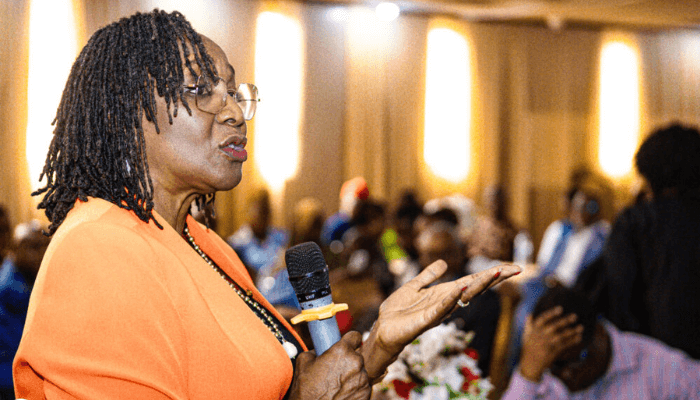
Nigerian parents might continue to vote with their feet and patronise universities abroad until government address the quality and capacity issues in our universities, says Abolaji Osime, CEO, Global International Secondary and College Lagos.
“To curb the attendant capital flight and brain-drain issues, government is advised to provide a better business environment for the growth and expansion of quality education institutions in the country,” Osime says.
She observes that education is by far the most important sector in Nigeria because of its role in producing highly skilled and knowledgeable human capital that will contribute to its economic growth, thereby increasing the GDP of the nation.
“In view of the urgent need to diversify the economy because of dwindling oil revenues and a weakening naira, a major part of the responsibility for preparing such a workforce rests on our government and its education sector, and it is for this reason that we as a nation must strengthen our commitment to driving high quality education at every level of the six spheres of education in Nigeria,” she says.
The educationist observes further that in 2010, Nigeria parents spent N246 billion in UK education for their children and N160 billion on 71,000 children in Ghana in 2012; this is nearly 40 percent of the Federal Ministry of Education budget of N373.4 billion in 2014.

She calls on the Buhari-led government to look inwards and focus on building and increasing the number of high quality educational institutions from primary to tertiary, stressing that a better educated, better trained and more adaptable workforce is a sine qua non for a successful recovery of the economy in Nigeria.
According to her, “I have been fortunate to speak to a lot of parents every year who have a lot of questions and need clarifications on pathways to progress to universities. I have also found out that without these counselling, a lot of parents are making very costly mistakes of sending their children to wrong institutions, countries and sometimes too young for them to cope with the pressures of university, a new culture and life for the first time away from home.
“Even before the current crisis as a result of the weakening naira, I always wondered why parents were rushing their children off abroad immediately after secondary or even earlier, when there are many good alternatives in Nigeria and definitely cheaper. Besides, the children also get to spend more time with their parents which definitely is a plus because of need to further instil discipline and morals.”
Adekanle Michael, managing director, Amadove Consulting Firm Lagos, which specialise in facilitating overseas education for Nigerian students, observes that the current situation with forex has affected those destination choices of parents who desire.
Michael says he now get offers for admission from countries like Cyprus, Malaysia, Ghana, and others that before now were not in the top list of countries.
“The time has come again when parents are asking us about university pre-degree courses for their children just completing SS3 or Year 11. Finding the Sixth form College for pre-degree courses and the university that’s right have become challenging as a result of the rise in foreign currency, especially dollars,” he says.
He observes that exchange rate at over N222/$ now makes it very expensive to send students for an A-level and foundation abroad.
Michael opines that the current situation has left parents at the mercy of aggressive competition from secondary schools, pre-degree sixth form colleges and universities abroad, including our neighbours in West Africa.