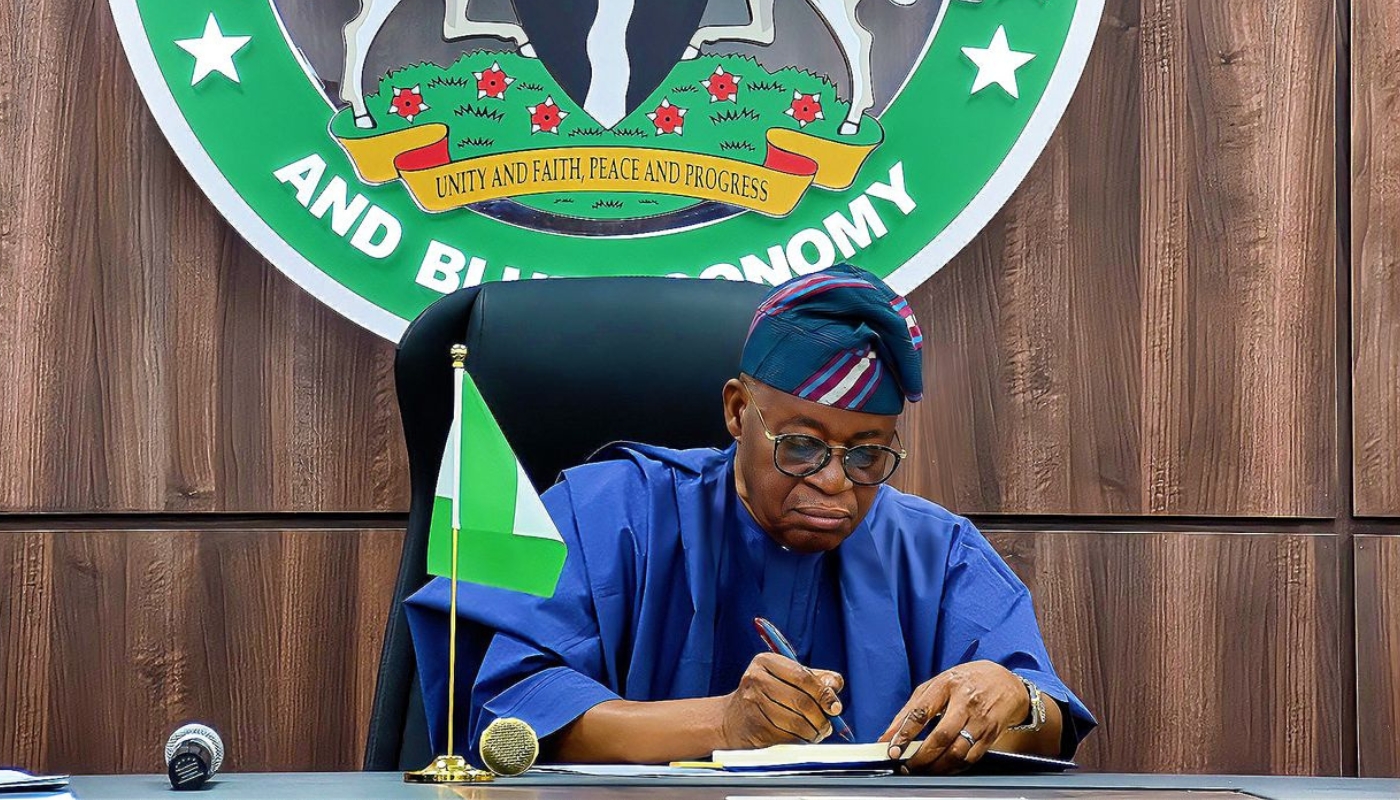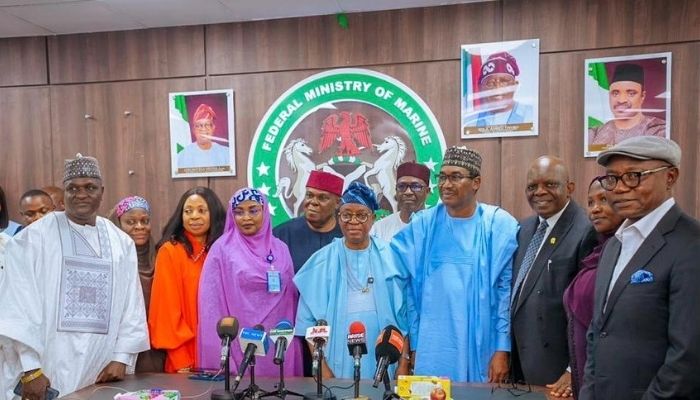
Governor Sim Fubara of Rivers State uses the opportunity of playing host to the Board and Management of the Nigerian Port Authority (NPA) in his Office to point to what he called poor utilisation of the Port Harcourt ports.
The governor, who just returned from six months’ suspension, lamented what he called the economic losses suffered by the State and the Nation.
He warned that unless their capacities were fully harnessed, Rivers State and Nigeria would continue to miss out on jobs, investments and industrial growth.
Experts, in the field, explained that the Port Harcourt Port, a river port, suffers underutilisation due to neglect of the port since the war ended.

A source said only four berths (with PTOL) out of eight are under use because the other four under BUA Terminal had been turned into a factory site. Vessels allegedly queue to wait for turn to turn around.
For this reason, only one shipping line calls at the Port Harcourt whereas up to four call at Onne Port.
“The truth is that the concessionaires were supposed to invest and rebuild the quays and other facilities but not much was done, and there seems to be little or no supervision or insistence from the NPA and the Ministry of Transportation.
Read also: I’ll work with stakeholders to sustain peace in Rivers – Fubara
Now, Governor Fubara told a delegation of the NPA led by Adeyeye Adebayo, Chairman of the Board, that seaports were essential to national development.

He pointed out that many prosperous nations had relied on world-class ports and airports to power their economies.
Governor Fubara noted that despite Rivers State’s strategic advantage of hosting two major ports, their potential remained untapped.
He explained that if Onne port were operating at full capacity, the ripple effects on the surrounding areas-such as Eleme and Tai would be transformative.
According to him, such a development would drive employment, stimulate manufacturing, expand clearing and forwarding services, and boost economic activity across the State.
The governor maintained that maximising the ports would lower logistics costs, strengthen investor confidence, and attract industries that rely on proximity to export facilities.
He added that the resulting growth would cut across job creation, business expansion, and increased tax revenues.