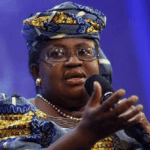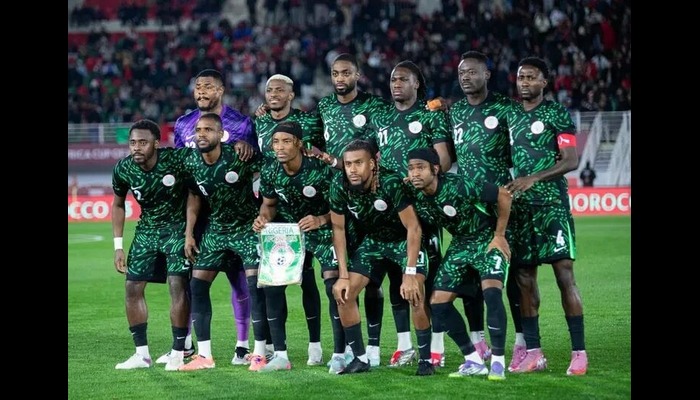
In absence of serious utilisation of cultures, events and institutions to create an identity for Nigeria, Super Eagles and Nollywood are inadvertently filling that space.
Nigerian films, fashion, and music are enjoyed worldwide, literally exporting the nation’s culture and lifestyle, while the Super Eagles’ strong performances project a global narrative of Nigeria’s resilience.
In many countries today, some of the citizens who have not visited Africa know Nigeria for its football artistry, music or film.
Nigeria’s image has over the years been shaped by happenstance through private sector actions without much of government intervention despite efforts made.

Surprisingly, these efforts by the entertainment industry which have played positive impact on Nigeria are happening without a deliberate plan, much more when they are planned by a collaboration of government and the private sector, some brand experts noted.
Akonte Ekine, a public relations professional said because people are connected emotionally to this kind of life, it flies easily, therefore projecting our culture, fashion and the national interest. “Imagine if we deliberately plan to project Nollywood, articulate and script stories to project the good sides of the country, the message will go far internally and externally.”
He believes Nigeria’s brand projection is happenstance without proper plan. Akonte said Nigeria should learn from Nollywood and Supper Eagles and see how the country can use the assets to further build Nigeria’s image.
According to Akonte, when building Nigeria’s image, “we should focus more from inside which will reflect on the external image.”
He said many Nigerians have negative perception of Nigeria who go ahead to sell the bad image to the outside world. ‘But if government can make it possible for the people inside the country to feel good sides, they will instinctively help to project Nigeria’s image”.

Nigeria has over the years been struggling on best possible approaches to position the country with positive identity and image.
Early brand building which was though organic for Nigeria’s was anchored on socio-economic and political strength of the country. At 1960s, Nigeria’s economy was strong and Nigeria was formidable at international circles when it exported talents and agricultural products. The currency was equally strong.
From late 1970s, these country’s assets began to weaken that affected its perception locally and internationally. This necessitated the need to re-build the country and its image for investment and trust. In year 2000, ‘Heart of Africa’ campaign was launched targeted at showcasing the resilience of Nigerians.
In 2009, late Dora Akunyili, former Minister of Information, came up with ‘Good People, Great Nation’ campaign to alter the negative global image of Nigeria. According to experts, it was well intentioned but it lacked connection with the people and the reality on ground.
Udeme Ufot, managing director of SO$U, an integrated communication firm said building destination brand starts with a consensus of what the people want to be known for, a reality they are committed to living and which they demonstrate in their daily interactions.
“Effective and sustainable destination branding requires a long term strategy that weaves together infrastructure, policy, culture, history and communication”, Udeme told the audience at the recent National Advertising Conference in Abuja.
He said creating an attractive destination brand offers tremendous rewards.” It becomes a destination for investments, conferences, exhibitions, and leisure travel. Above and beyond that, it confers a form of soft power as the country gains more respect and influence in the comity of nations and its people have a more heightened sense of nationhood and pride. Even goods manufactured in the country and services rendered can benefit from more premium pricing, while the country itself becomes more resilient to crisis”.