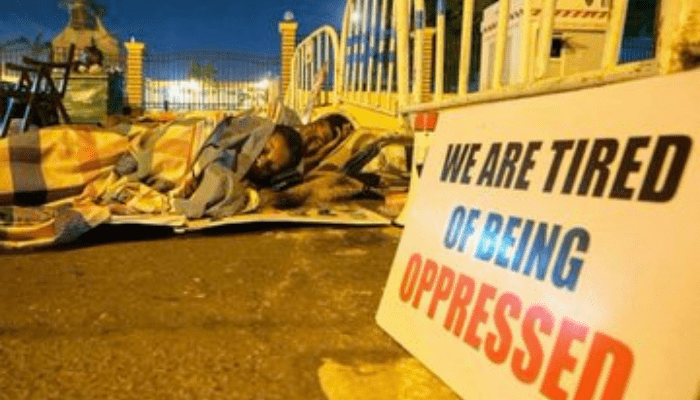
Buoyed by the gains of the past few days, protesters are gradually migrating their demands from focusing primarily on police brutality to demanding for deeper changes in governance.
The new target of the protesters is the take-home pay of Nigeria federal lawmakers. On Thursday morning, the hashtag #NASSPayCutNow was trending at number 1 on social media. Some of the protesters explained that the reduction of lawmakers’ salaries would ultimately release the money to improve the salaries of officers of the police force.
Nigerian lawmakers have over the years been criticised for earning ridiculously high wages despite contributing less than the time in making relevant laws that will boost the economy.
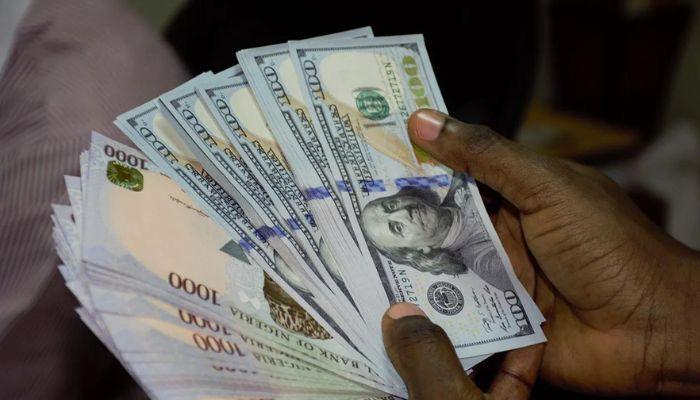
Nigeria’s federal lawmakers are reportedly paid the second-highest in the world with each senator earning around $597,000 per year in salaries and allowances. This results in a total of N20 billion ($65 million) per year and N79 billion ($260 million) at the end of each legislative tenure. Interestingly, the members of the Senate are only required to sit for at least 180 days a year which equates to N1 million per day.

READ ALSO: Nigeria inflation quickens to 30-month high in September on rising food cost
For the entire National Assembly, the annual cost for 109 Senators and 360 House of Representatives comes to around ₦69 billion ($226 million) a year – enough to pay 191,954 civil servants the minimum wage.
“The #NASSPayCutNow is an important topic cum protest. A pay cut in the exorbitant amount the members of the national assembly take home, will not only afford the country more money to take care of vital aspects of our economy but also reduce political thuggery,” Samuel Felix, a young protester said.
Many people have described the protest against police brutality as only a manifestation of deep-seated public anger against bad governance in the country. Addressing police excesses is only seen as one of the steps to bringing meaningful changes that will transform the lives of people in the country.
“How can members of @nassnigeria make more money in a year than an average Nigerian will see in a lifetime?” Mayowa Onabule another protester said.

The lawmakers’ earnings are categorised into many things including basic pay, furniture allowance; hardship allowance; constituency allowance; and newspaper allowance.