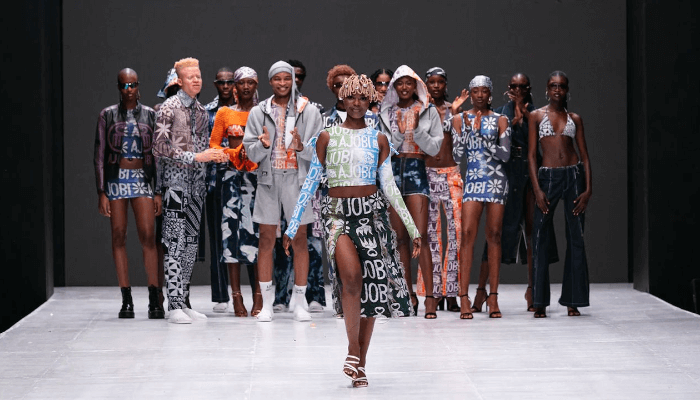
Nigeria’s fashion industry has evolved from a cultural expression to a major economic force.Beyond its cultural and creative value, the sector generates substantial employment, fosters entrepreneurship, and stimulates both local and international trade.
From textile production and design innovation to global market participation, fashion in Nigeria is not only shaping consumer trends but also driving measurable economic growth.
Before the recent wave of technology, global exposure, and structured investment, Nigeria’s fashion and textile sector was profitable, but in a very different and more limited way.
Historically, fashion in Nigeria functioned largely as an informal but income-generating sector. Tailoring, textile trading, and garment making were steady sources of livelihood rather than high-growth businesses. Many people earned daily or seasonal income from sewing clothes, selling fabrics in markets, or producing traditional attire for ceremonies. The sector sustained households and communities, but profitability was mostly small-scale and localized.

This reality began to change as technology, globalization, and renewed interest in creative industries reshaped the sector. Fashion gradually moved from informal operations into more organized businesses, supported by digital tools and wider market access.
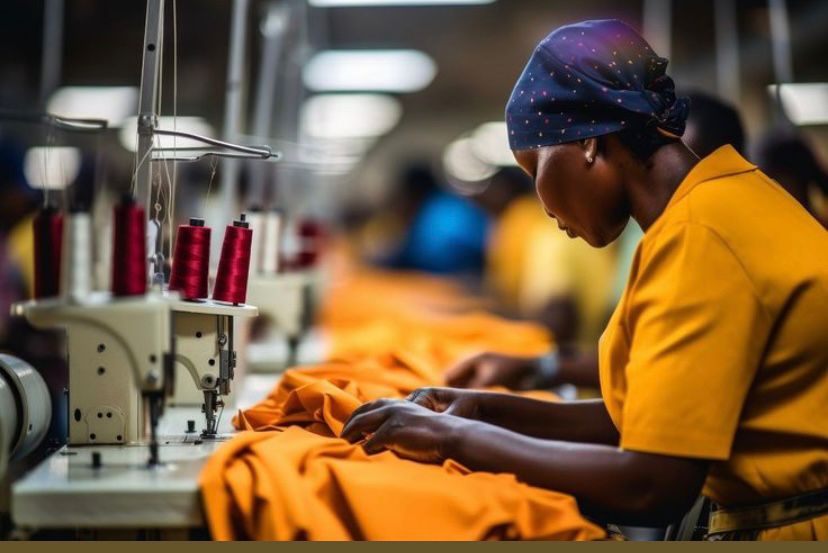
The textile sector has long been at the heart of Nigeria’s creative economy, providing the raw materials and craftsmanship that form the foundation of the fashion industry. Local textile production, from traditional handwoven fabrics to modern prints, has fueled creativity and supported livelihoods across the country.
Markets in cities like Lagos, Kano, and Aba have been hubs for textile trade, linking artisans, suppliers, and designers in a network that sustains both culture and commerce. By producing fabrics domestically, the sector helps reduce reliance on imports, keeps capital circulating within the country, and preserves centuries-old craftsmanship that gives Nigerian fashion its distinctive identity.
From traditional fabrics to contemporary prints, these materials are increasingly used by designers within and outside Africa who seek originality and cultural depth in their collections strengthening the demand in global interest attracting collaborations between local producers and global fashion brands, embedding Nigerian textiles into international supply chains.

Nigeria’s fashion industry has experienced a major transformation through digital commerce. Online platforms, social media, and e-commerce marketplaces have allowed designers, brands, and retailers to reach consumers far beyond local markets, Technology has accelerated this transformation, it allows designers to manage production, marketing, and sales more efficiently, reducing costs and increasing profits.
Innovations such as virtual fashion shows and online try-on experiences have broadened the reach of Nigerian fashion, Creator’s to turn ideas into digital concepts before any fabric is cut. Design software helps designers visualize patterns, colors, and fits, reducing mistakes. The fashion industry has become a full time sector on its own attracting investment and raising the profile of the industry internationally.
The economic impact of fashion goes far beyond the designers who create the clothes or the manufacturers who produce them. Around every fashion product is an ecosystem of professionals whose work keeps the industry moving and expanding.
Artisans such as textile weavers, dyers, embroiderers, and leather workers supply specialized skills that add value and uniqueness to fashion products. Marketers, brand strategists, and digital content creators help fashion businesses build visibility, attract customers, and compete in both local and international markets
Photographers, stylists, models, makeup artists, and creative directors also earn livelihoods by shaping how fashion is presented and consumed.
Fashion events further expand this economic reach. Runway shows, exhibitions, pop-up markets, and virtual showcases attract visitors, buyers, and media attention. These activities generate spending in hotels, transportation, catering, advertising, and entertainment. They also promote tourism and cultural exchange, positioning Nigerian cities as creative destinations. Even virtual fashion events contribute economically by creating demand for digital production, streaming services, and online marketing.
By blending cultural expression with modern business practices, fashion has become a powerful tool for employment and entrepreneurship. It allows individuals with creative, technical, and business skills to participate in a growing value chain. This interconnected system ensures that fashion’s contribution to the economy is broad, sustainable, and deeply embedded in Nigeria’s social and economic life. As the Executive Director of Africa Fashion Week Says., “The creative sector, including fashion, is a major contributor to Nigeria’s GDP. Supporting it strengthens entrepreneurship, innovation, and economic growth.”
Looking ahead, the future of Nigeria’s fashion industry lies in deeper integration between production, technology, and global markets. As demand for African fashion continues to rise, the sector is positioned to expand its export footprint and attract long-term investment. Innovation in materials, sustainable production methods, and digital distribution will further strengthen competitiveness and resilience.
The fashion industry in Nigeria is not just about clothing or style. As UNESCO notes, “Fashion is more than creative expression it is a lever for economic and social growth, providing employment, trade opportunities, and cultural visibility for Africa.”