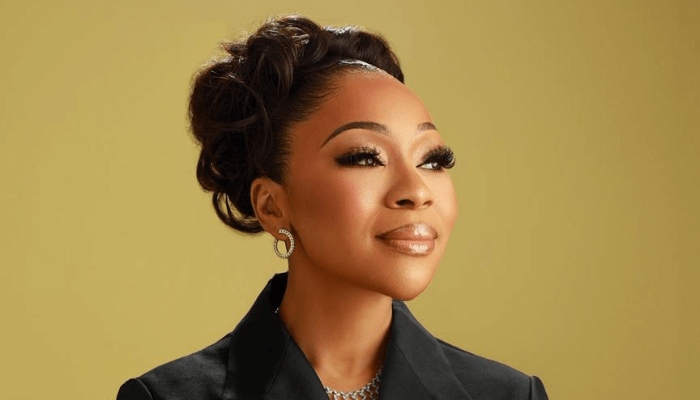
When Ezinne Nwazulu launched the Mentor Matchup Challenge (MMC), her goal was to create a platform where entrepreneurs could connect with mentors, gain practical insights, and access the right networks to grow their businesses. Over the years, that vision has evolved into an ecosystem that goes beyond mentorship to drive investment, innovation, and cross-border collaboration across Africa.
As Convener of MMC, Ezinne in this interview with IFEOMA OKEKE-KORIEOCHA, speaks on how she is championing a mission to bridge gaps between African entrepreneurs and global opportunities. She also hints on how she is transforming MMC into a meeting point for investors, founders, and industry leaders shaping the future of equitable trade and sustainable growth on the continent.
How did the idea for Mentor Matchup Challenge (MMC) come about, and how has it evolved over time?
At 234Finance.com, a digital content platform that supports SMEs by producing content on opportunities, economic trends and SME feature, featuring SMEs, but we realized we were not truly engaging with the founders themselves. To address this gap, MMC was conceived by my late friend and advisor, Emilia Asim-Ita, Founder of A-lime Media. Emilia recognized
the need to build a physical touch point for entrepreneurs to connect with mentors for practical support in business.

As an initiative of 234Finance, MMC began by connecting SMEs with mentors and also supported entrepreneurs with grant funding through a pitching competition. It has since evolved into a Pan-African forum with exhibitions, cross-border networking, and knowledge sharing. Today, MMC creates meaningful connections, bridges the knowledge gap, and enables entrepreneurs to exchange value, access opportunities, and participate in regional integration. What started as a simple support initiative has grown into a full ecosystem for growth and collaboration across Africa.
What was the make-or-break moment for MMC and how did it shape your approach to balancing impact and profitability?
The make-or-break moment came when we realized that simply hosting an annual event and giving grants was not enough. Many beneficiaries would receive support and then disappear, so we needed a community-driven approach. We decided to build an ecosystem that supports SMEs year-round. We also faced the challenge of balancing social impact with managing overhead cost and profitability. To sustain our work, we leveraged the same skillset we support SMEs with through our 5Cs framework, to serve corporate clients willing to pay a premium for our business development and capacity building services. Our 5Cs include Content, Community, Collaboration, Capacity Building, and Capital and this has become a focal point for us in creating value to SMEs and our Corporate clients. MMC is now one of several initiatives designed to support SMEs while we continue developing other initiatives and partnerships. The aim is to increase our impact, expand our reach across borders and maximize profitability. Over the years, I have learned that there must be a balance between impact and sustainability. Providing meaningful and measurable support to SMEs requires a holistic, year-round approach.
How do you envision a future of Pan-African collaboration and trade, and what role does MMC play in making that a reality?
The Africa we are building is one where we have built trust and mutual respect, united by a shared mission for prosperity. A future where we are actively trading with each other, leveraging each country’s unique strengths and resources. We want to see a Kenyan’s supplier play to their expertise in coffee production, processing and packaging, while partnering with a Nigerian trader who pushes the coffee into the Nigerian market through an end-to-end supply chain that everyone along the value chain benefits. MMC has created a trusted ecosystem, Mentor Matchup Community, where entrepreneurs, investors, and mentors can connect safely and confidently. Over time, this ecosystem will enable cross-border partnerships, shared knowledge, and lasting business relationships. The goal is to make collaboration, trust, and regional trade the norm, not the exception, and to ensure

African businesses thrive together rather than in isolation. We are bullish that through the Mentor Matchup platform, we will increase intra-African trade by 15 percent in the next 5 – 10 years.
What is the most significant disconnect you see between founders, policymakers, and funders, and how does MMC create the common language?
The most significant disconnect is trust. Founders are often apprehensive about giving up some control in the business, while investors struggle with finding credible founders to back. Policymakers on the other hand, are often disconnected from the realities of the private sector and as a result, create unfavorable policies. MMC creates a space for progressive dialogues between key stakeholders, with action plans in place, as well as monitoring and evaluation. We want all stakeholders speaking the same language, and working towards a mutual goal of shared prosperity. We force-feed collaboration through our matchmaking lounges and deal rooms. The common language we create isn’t just vocabulary; it’s the language of execution, deal signings, success stories driven by a unified vision for a self-sufficient continent.
What is the one piece of advice you wish first time delegates would take away from the event and act on immediately?
My one piece of advice is this: Don’t just collect business cards; collect commitments.”The room is full of potential partners, not just contacts. Before the event ends, identify one person who can truly impact your business, an investor, a potential partner, a specific mentor, and secure a concrete next step with them. A follow-up meeting, an introduction, a promise to review your proposal.
What is the most common pushback you face when building MMC, and how do you stay committed to your vision?
One of the most common pushbacks comes from brands and corporates who think MMC only caters to SMEs. In reality, we are building an ecosystem where everyone has a role to play. Mentors connect with other mentors, investors link to key players, corporates offer services, and policymakers drive systematic change. Each part contributes to a larger transformation. Over 100 mentors and investors in our community have shown that these connections translate into real value and transactions. Another frequent question is, “Why isn’t the event free?” We are completely data-driven as an organisation and experience has taught us that people do not value or fully commit to what they receive for free. The event is ticketed to ensure that we are curating an experience for delegates who value the thoughtfulness and creativity that goes into MMC. We want participants to take the opportunity seriously and engage fully during the sessions. Staying true to these principles has allowed us to build a thriving, trusted ecosystem where impact and accountability go hand in hand.
How would you describe the MMC Culture, and what’s one intentional decision you’ve made to foster that?
The MMC Culture is pragmatic collaboration. It’s a culture that we intensely focus on for actionable outcomes, not mere discussions. One intentional decision we are making is to build an entire ecosystem of individuals and institutions who are aligned with our values and willing to work with us to ensure measurable outcomes, beyond the conference. We bring the mentorship lounges, deal rooms, and exhibition spaces to the heart of the event. This breaks down barriers to networking, and forces the kind of spontaneous, high-value interactions that lead to signed deals and partnerships, like the one that occurred between a participant and a major corporate executive he met while attending our event two years ago.
How do you personally measure the true impact of MMC?
While we track dollars invested and the growth of businesses, the true impact lies in the quality of connections forged. It’s the SME that secures a distribution deal after exhibiting, the founder who meets a mentor that transforms the trajectory of their business, or the investor who connects with a policymaker to create better regulatory outcomes. These connections strengthen the entire fabric of African trade. Financial metrics follow naturally, but human connections are the cause.
What is the most common and limiting mindset you see founders arrive with, and what is the most significant shift you witness?
Many founders start with a scarcity mindset, believing there is only one seat at the table, one pot of funding, or one winner. The biggest shift we see at MMC is toward collaborative abundance. Founders begin to see peers not as competitors but as partners in a larger ecosystem. By combining strengths, such as a manufacturer teaming up with a logistics startup, founders are able to build ventures that are far more scalable and impactful than they could ever accomplish alone.
Where do you see the biggest untapped opportunity for African entrepreneurs in the next five years, and how is MMC 7.0 designed to help them seize it?
The biggest untapped opportunity is regional value chains. With the AfCFTA, the potential to build and control entire supply chains within Africa is immense. MMC 7.0 is specifically designed to help founders seize this by connecting them across sectors and borders. Our theme, “Building Bridges for Equitable Trade,” is a direct response to this. Through cross-border mentorship, sector-specific masterclasses, and the Pitch2Scale competition targeting key industries, we are giving entrepreneurs the blueprint and the relationships to build integrated Pan-African enterprises.
Family often shapes how we approach leadership and purpose. How has your family influenced the way you lead?
My family shapes how I lead by keeping me grounded, focused, and accountable. My husband is my sounding board and strategist, helping me see blind spots and make better decisions. My three energetic boys remind me that my presence matters more than any achievement, teaching me to lead with balance and empathy.
The influence runs even deeper with my parents, who modelled hard work, resilience, and integrity long before I stepped into leadership. Their example instilled the values that guide every choice I make today. Together, my family ensures that my leadership is not just about results, but about building something meaningful that aligns with my values and purpose.
You lead multiple initiatives and teams across borders. How do you intentionally rest and recharge?
Rest has become a discipline for me. I try to balance my high-energy work life with intentional downtime, including gym sessions to clear my head, massages to release stress, and proper sleep to reset. I also schedule “quiet days” where I disconnect completely, with no emails and no meetings, focusing instead on reflection, prayer, and journaling. It is
amazing how much clarity comes when you allow your mind to rest.
Outside of work, what brings you the most joy or fulfillment?
Honestly, it is the small, real moments, like cooking with my kids, spending time with close friends, or simply being outdoors. I also love travel that combines relaxation and inspiration, exploring new cultures, new cuisines, and seeing how people live and create. Those experiences always refill my creative tank and remind me why I do what I do, to build something that allows more Africans to live fully and freely.