



…as MTN, Huawei among first to join digital compliance drive
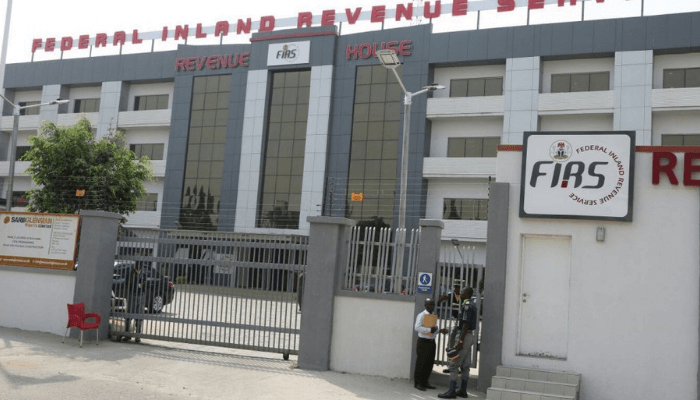
The Federal Inland Revenue Service (FIRS) has launched a national electronic invoicing system, seen as a significant step toward digitising the country’s tax infrastructure and boosting compliance among large corporate taxpayers.
The system, known as the Merchant-Buyer Solution (MBS), officially went live on August 1 after a successful pilot phase that began in November 2024. It is being rolled out in phases, starting with companies that have an annual turnover of at least ₦5 billion. According to FIRS, these large taxpayers represent over 5,000 businesses nationwide.
More than 1,000 companies — roughly 20% of eligible firms — have already integrated with the platform, including telecoms giant MTN Nigeria, which became the first to transmit live electronic invoices to the tax authority. Other major players such as Huawei Nigeria and IHS Towers are completing their onboarding and are expected to go live in the coming days.

“The launch of the e-invoicing regime ushers in a new era of transparency, accuracy, and real-time monitoring of commercial transactions,” Dare Adekanmbi, who is the spokesperson for Zacch Adedeji, FIRS Chairman, said in a statement on Sunday.
The e-invoicing solution forms part of the agency’s broader Electronic Fiscal System (EFS), which is designed to ensure authenticity and completeness of invoice data and limit opportunities for tax evasion. It also aligns with Nigeria’s Revenue Services Reform Act — a legislative framework aimed at harmonising revenue collection and providing a single source of truth for government receipts.
The FIRS said it is working in collaboration with the National Information Technology Development Agency (NITDA) to incorporate system integrators and access point providers into the onboarding ecosystem. These providers are tasked with supporting the integration process and helping companies manage their transition onto the e-invoicing platform.
While the original deadline for onboarding was set for August 1, the tax agency has granted a three-month grace period to allow companies facing operational challenges to comply. The new deadline for mandatory integration is November 1, 2025.
“In the spirit of encouraging voluntary compliance, the FIRS management has graciously approved a three-month extension of the deadline,” the agency said. “We also acknowledge the genuine efforts of many taxpayers who strove to meet the 1st of August 2025 deadline but encountered operational constraints.”

The system will eventually be extended to medium and smaller enterprises, but for now, the focus remains on onboarding the largest players, who contribute a significant share of Nigeria’s corporate tax base.
Nigeria, Africa’s largest population, has been ramping up efforts to boost non-oil revenues amid volatile crude prices and growing fiscal pressures. Tax-to-GDP ratio remains among the lowest globally, estimated at just over 10%, according to official figures.
The FIRS has increasingly leaned on technology to expand the tax net and reduce leakages.
“The e-invoicing platform gives us real-time visibility into the business-to-business segment, which has historically been under-reported,” a senior FIRS official familiar with the rollout told BusinessDay, requesting anonymity because he was not authorised to speak publicly. “It significantly enhances our ability to track transactions and enforce compliance.”
To facilitate onboarding, the FIRS e-Invoicing Implementation Team is conducting webinars, workshops, and town hall sessions across the country, targeting tax consultants, financial controllers, and compliance officers within affected firms.
The Federal Government expects the digitisation effort to streamline tax administration, reduce disputes and simplify audit processes for both taxpayers and regulators.
The FIRS has not disclosed projected revenue gains from the e-invoicing rollout, but industry experts believe it could yield significant medium-term improvements in tax efficiency and administration.





