The federal government, through the federal executive council (FEC), has approved a total of N68.7 billion for electricity projects targeting universities and underserved communities across the country, in a move to improve educational infrastructure and rural electrification.
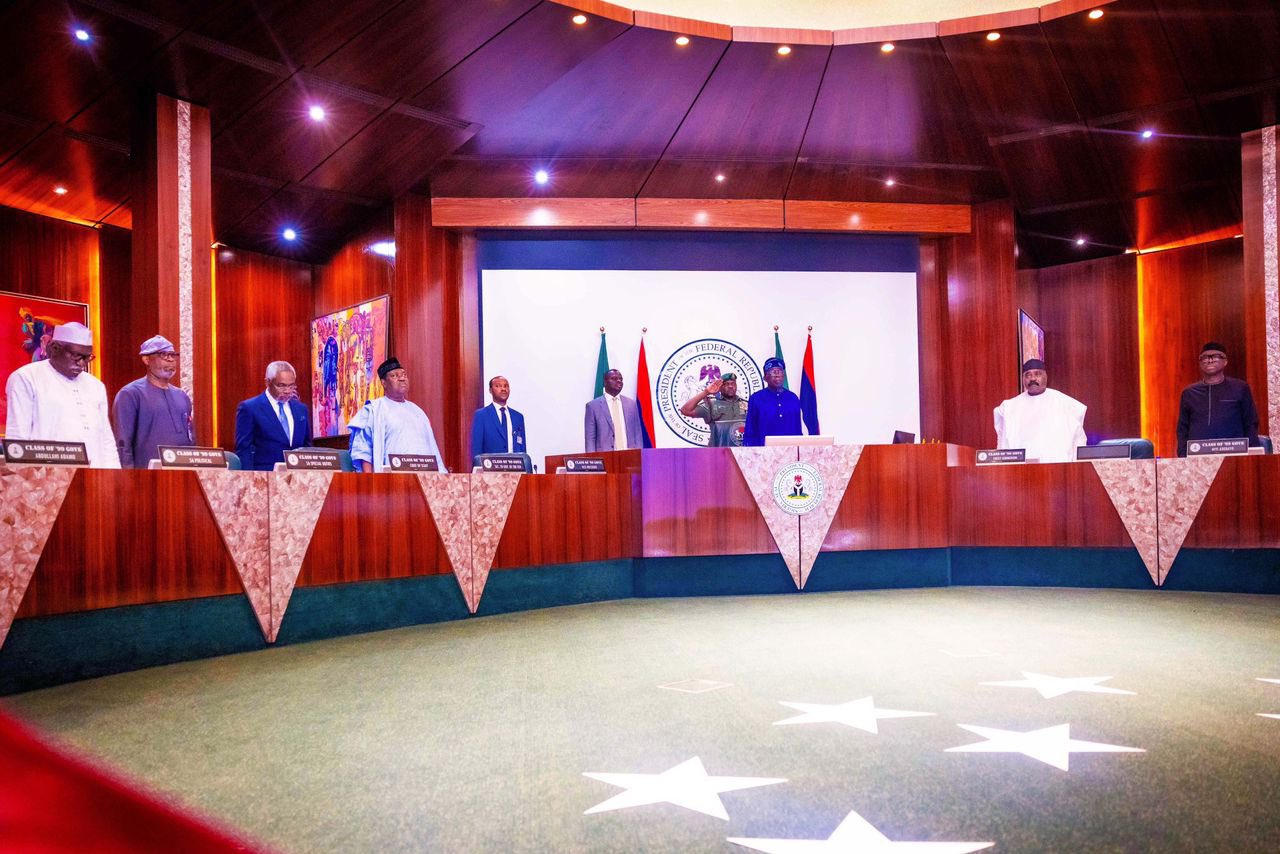
Adebayo Adelabu, the minister of power, made this known while briefing journalists recently after the FEC meeting presided over by President Bola Tinubu in Abuja.
Adelabu disclosed that the contract approvals reflect the federal government’s commitment to power sector reform and consistent electricity supply to key national institutions.
He explained that the initiative is part of a broader effort to enhance access to a reliable power supply, foster development, and support academic institutions’ growth.

“This administration is bent on ensuring the transformation in our power sector and improving supply of power to two key sectors for national existence,” he said.
Besides, the minister explained that the first project involves the engineering, procurement, and construction of the energising education programme through the Rural Electrification Agency’s (REA) special intervention fund for infrastructure development.
“The initiative aims to provide ‘reliable and good-quality electricity” to federal universities and their teaching hospitals, thereby relieving them of the burden of high energy costs,” he noted.
The minister emphasised that the lack of dependable electricity in some institutions has reached “crisis level,” often resulting in blackouts and industrial actions due to the inability to afford the available power.
He reiterated that the new investment is designed to “complement the World Bank financing to accelerate deployment across other institutions in the country.

Citing the previous successful installations, which he said include the University of Abuja, which now runs efficiently on solar energy, and a 12-megawatt (MW) system powering both the University of Niger and its teaching hospital.
He said other tertiary institutions with completed projects include Usmanu Danfodiyo University, Sokoto, with around 8 MW installed; the Nigerian Defence Academy, which operates a 2.6 MW solar system; and the Federal University of Agriculture, Makurdi.
Moreover, he said the latest FEC approval is expected to cover eight additional universities and their teaching hospitals, such as the University of Lagos, Ahmadu Bello University, Zaria, and Obafemi Awolowo University, Ile-Ife.
Others are the University of Nigeria, Nsukka; the University of Ibadan (including the University College Hospital); the University of Calabar; and Federal University Wukari.
Adelabu said the projects are expected to be completed within seven to nine months.
“This is another case of ensuring that universities enjoy uninterrupted electricity. Our universities will never be the same again,” the minister said.
Meanwhile, the minister said the second contract approved at the FEC meeting targets the deployment of renewable energy infrastructure to the REA’s agricultural centres of excellence projects.
Adelabu emphasised that the project will extend electricity access to underserved communities while promoting the productive use of solar power in rural enterprises.
“This is not limited to just lighting up the households,” he said.
“It also includes ensuring productive use of equipment powered by solar sources.
“The intention is to light up our rural households and power our rural businesses, especially those involved in processing agricultural produce.”
In addition, he said the initiative will provide solar-powered processing equipment to small and medium-scale businesses in rural areas, enabling “cluster processing of agricultural produce and productive use, especially by micro and small enterprises.”
Adelabu said that the government is enabling rural communities to live better lives at home, while also supporting them to be more productive and improve their economic well-being.
He revealed that the contracts come with a three-month implementation timeline and include 7.5 per cent value-added tax (VAT) within the N68.7 billion total budget.