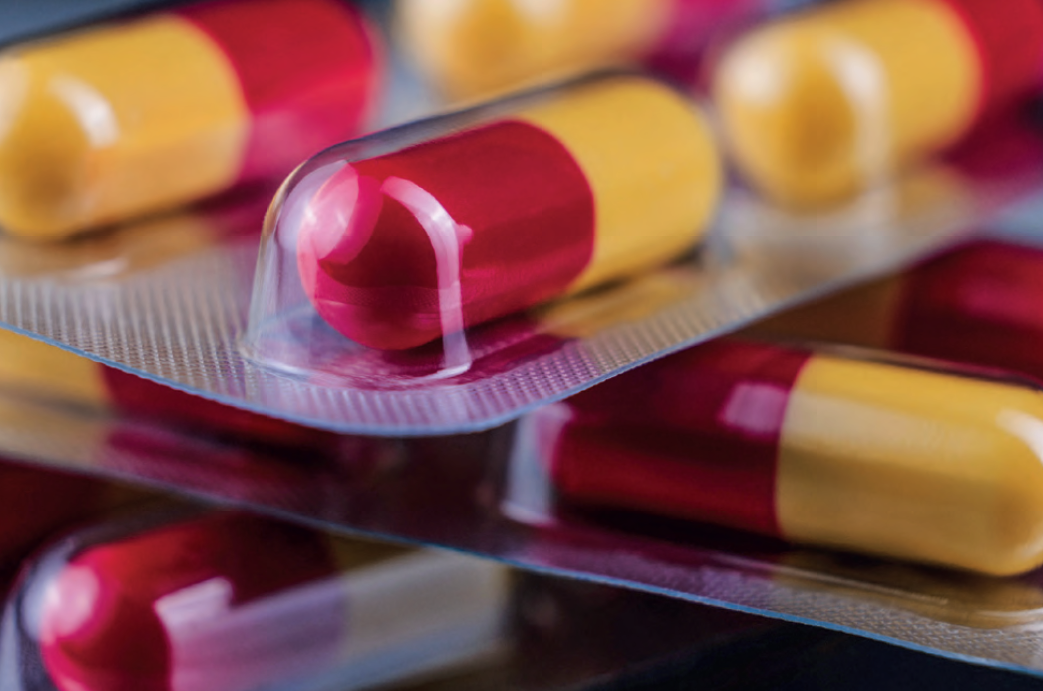
The ancient Romans worshipped Febris, the goddess believed to ward off fevers. Fevers were feared as mysterious and often fatal, and it was believed that rituals and sacrifices left at the temples of the Roman god could ward off the illness. Today, modern science and its advancements have universally changed this tremor to triumph as there are medications that can instantly address the illnesses that come with fever. Yet in Nigeria, the problems of medical counterfeiting have surged so badly that what is supposed to be a relief is now a tragedy.
Recently, the National Agency for Food and Drug Administration and Control (NAFDAC) announced billion-naira seizures of counterfeit medication, a stark warning that Nigeria’s pharmaceutical crisis is resurfacing with alarming force. In September 2025, the agency confirmed falsified batches of Artemetrin DS, a widely used antimalarial, and Ciprofit 500, a common antibiotic. Only days later, officials intercepted N1.2 billion worth of counterfeit Malamal Forte in Lagos. These cases are not outliers. At least seven NAFDAC public alerts this year alone have involved antimalarials or antibiotics, two classes of medicines most critical to child survival.
The numbers reveal the depth of the problem within the Nigerian healthcare sector, particularly placing children at the greatest risk. Nigeria already accounts for nearly one-third of global malaria deaths, with children under five bearing the brunt. Every fake or substandard antimalarial that enters the market worsens this toll. The Lagos seizure valued at over a billion naira exemplifies the size and profitability of this illicit trade. Such products often contain little or no active ingredient, leading to treatment failures, delayed care, and preventable deaths.
Counterfeit antibiotics add another layer of risk. Pneumonia, diarrhoea, and sepsis are among the leading killers of Nigerian children. Fake drugs not only endanger lives immediately but also fuel antimicrobial resistance. When children receive repeated sub-therapeutic doses, malaria parasites adapt. In the case of falsified antibiotics, children not only risk immediate illness and preventable death but also spread resistant bacteria that can threaten an entire community. What begins as a counterfeit tablet can end as a national health catastrophe.

Despite commitments to lower under-five mortality under the Sustainable Development Goals, SDGs, progress is impossible if frontline treatments are compromised.
Behind these statistics are parents who watch their children deteriorate despite doing the “right” thing of buying prescribed drugs, visiting hospitals, following instructions. When treatments fail, trust in the health system crumbles. Some caregivers turn to informal vendors, where fakes circulate most freely. Others abandon formal care altogether, leaving the poorest children most vulnerable. Health workers, too, are undermined. Faced with unexplained treatment failures, they may misdiagnose, switch medications unnecessarily, or overprescribe. The cycle deepens, children are harmed, resistance grows, and the credibility of Nigeria’s health system erodes. Donor-funded programmes, designed to combat malaria and child mortality, lose effectiveness in markets saturated with counterfeits.
The late Professor Dora Akunyili, a former Minister of Health and Director-General of NAFDAC, once galvanised the nation against fake drugs, restoring some public confidence in NAFDAC. But despite her courageous fight, the resurgence of counterfeit medicines shows how quickly hard-won gains can unravel without vigilance and sustained leadership.
Whistleblowing and seizures, while important, are not enough. A decisive national response is needed, beginning with stronger surveillance and enforcement systems. NAFDAC requires far greater resources to monitor supply chains, test products, and enforce compliance at borders. Market inspections must be routine, not sporadic. Courts must send a clear message by securing bold convictions against importers and peddlers of fake drugs.
Technology can play a key role in combatting the problems of counterfeit problems in Nigeria. SMS-based authentication codes, mobile verification platforms, and digital tracking systems can make it harder for counterfeits to circulate undetected. These tools exist, but must be scaled up, backed by public awareness campaigns that empower consumers to check and report suspicious medicines.

Accessibility and affordability of essential drugs also matter. So long as essential child medications are unaffordable or scarce, families will rely on unregulated street vendors. Subsidised distribution of key drugs through verified outlets would cut demand for risky alternatives. Communities must be engaged and directly taught how to identify registered products, read NAFDAC numbers, demand accountability and report suspicion. Finally, because counterfeit networks span borders, Nigeria cannot fight this war alone. Collaboration with neighbouring countries is essential, from intelligence-sharing to harmonised enforcement. Regional markets must not remain porous gateways for criminal syndicates profiting from children’s vulnerability.
Fake drugs are silent killers. They do not just waste money; they steal lives. Each falsified tablet is a loaded gun aimed at Nigeria’s children, and by extension, at the country’s future. If left unchecked, the crisis will rob a generation of its right to life, health, and opportunity. Protecting children from counterfeit medicines must become a national priority. It demands political courage, institutional investment, and civic vigilance. Anything less is complicity in a quiet epidemic. The choice as a nation is to confront the scourge of fake drugs head-on or watch it continue to erode decades of fragile progress in child survival.