…say every $1 spent on immunisation saves Nigeria $44 healthcare cost
Public health experts have called on Nigeria’s Government to significantly increase investment in tackling the low childhood immunisation rates in the Country, warning that underfunding vaccines is inflating healthcare bills and preventable disease outbreaks.
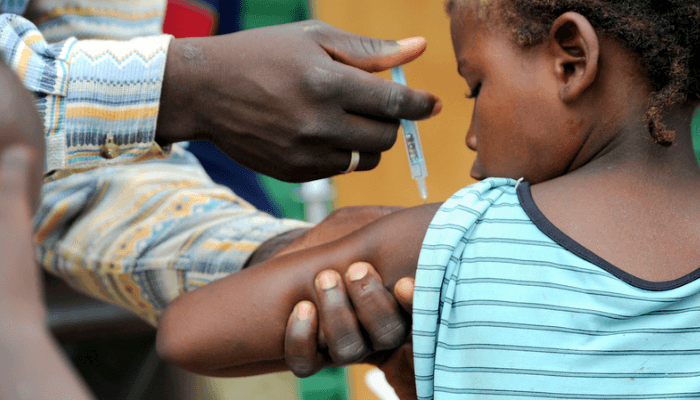
According to the World Health Organization (WHO), Nigeria faces a particularly concerning situation, with over 2.2 million estimated zero-dose children in 2021—children who have never received any routine vaccinations.
Speaking at a press briefing organised by the Vaccine Network for Disease Control (VNDC) in Abuja on Monday, stakeholders highlighted data showing that every $1 invested in immunisation saves up to $44 in healthcare costs by preventing illness, reducing treatment costs, and improving productivity.

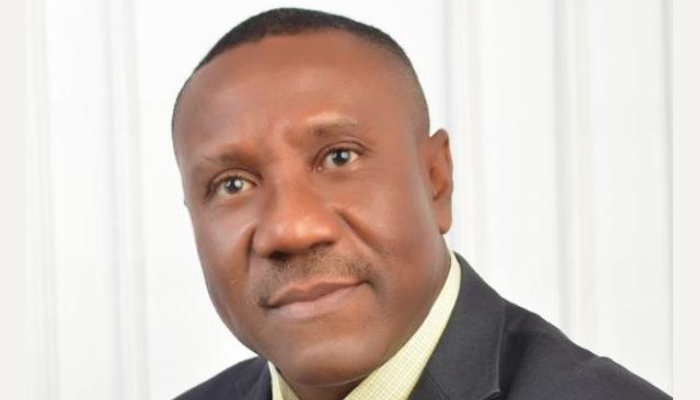
Chika Offor, CEO of the Vaccine Network for Disease Control (VNDC), noted that Nigeria is missing out on substantial long-term savings and improved health outcomes for children by not scaling up routine immunisation efforts.
Offor acknowledged that the 2025 budget’s allocation of ₦231.7 billion for immunisation, malaria vaccination, and vaccine tracking was a significant milestone towards achieving universal vaccine coverage. However, she cautioned that the sustainability of these gains was under threat. With the exit of USAID funding and declining donor support, Nigeria’s vaccine financing has become more vulnerable than ever.
“Shrinking fiscal space and competing national priorities further endanger immunisation programmes. If we do not act swiftly, we risk reversing the progress made in 2024,” she warned.
She emphasised that vaccines remain the most cost-effective means of saving millions of lives and are central to Nigeria’s health and development goals.
Despite some achievements, she lamented that Nigeria continues to rank among the Countries with the highest number of zero-dose children.

She said, “These numbers represent real lives and futures at stake.
“We cannot afford to let vaccine shortages endanger our children. A sustainable vaccine financing strategy is essential to ensure predictable funding and timely vaccine supply. We urge the government to make vaccine financing a first-line charge in the national budget to guarantee timely disbursement and long-term sustainability”.
Stakeholders also called on President Bola Tinubu to direct the Ministry of Budget and National Planning to establish a predictable and sustainable immunisation financing framework.
Currently, vaccine funds are sourced from the Service-Wide Vote, which often results in delayed or uncertain disbursements. They stressed that immunisation is not only a public health priority but also a sound economic investment that saves lives and reduces long-term healthcare costs.
They further urged the National Assembly to support the inclusion of vaccine financing as a first-line charge in the annual budget to ensure timely and predictable funding for immunisation efforts.
Additionally, State and Local Governments were called upon to allocate dedicated vaccine funding to ensure prompt budget releases, and establish accountability mechanisms to guarantee the effective utilisation of resources.
They also wanted the private sector to actively support vaccine financing at all levels—Federal, State, and Local—recognising that a healthy population is fundamental to sustained economic growth.