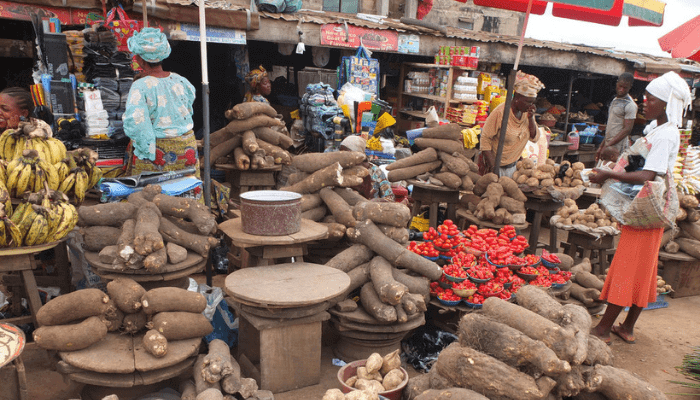
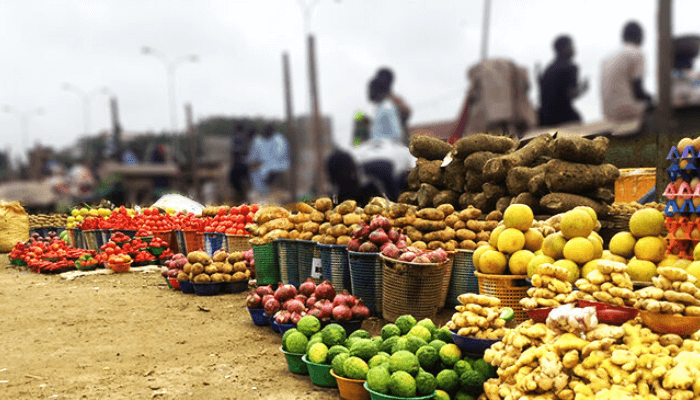
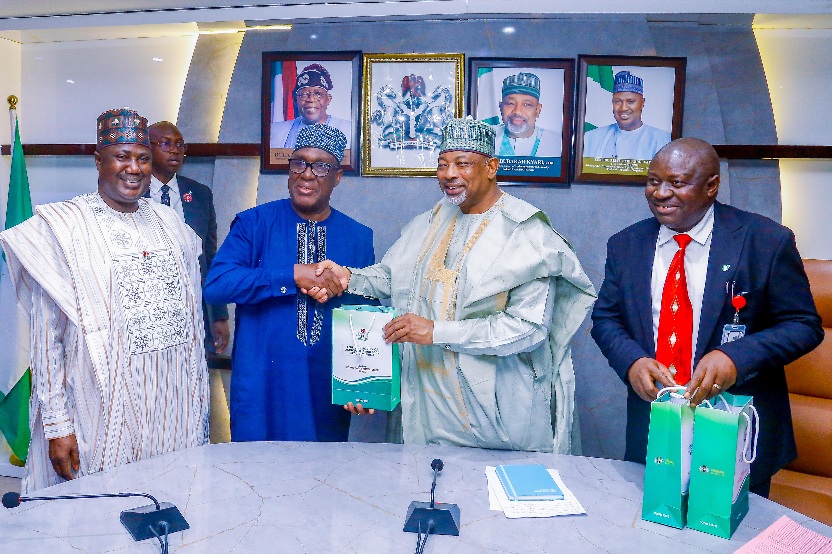
A coalition of nutrition experts has charged Nigerians on the need to improve on the intake of nutritional quality food such as proteins and vitamins to mitigate the level of malnutrition in the country.
The experts who spoke at the just concluded nutrition fair say that urgent and coordinated efforts were needed to improve nutrition and end the country’s annual losses in GDP owing to malnutrition.
They also reiterated the need to create more awareness on the importance of consuming nutritious food produce which is readily available.
Paul Ilona, Country Manager, Harvestplus drew attention to the slow successes the country has recorded in terms of economic development and attributed the challenge in some measure to the negative effects of poor nutrition.

“Nigeria must come together to scale up access to nutritious food for all households and households must start consuming nutritious food and as long as we continue to neglect nutrition the country will continue to face a lot of crisis,” Paul Ilona said.
READ ALSO: Reflections on the World Food Day Celebrations
“Nutrition is an essential building block for growth and development, so reaching millions with more nutritious food should be a top priority for us as a nation. Malnutrition will lead to increase pressure on national health budgets and a weak labour force,” Ilona adds.
He added that the food fair was initiated to promote the production, marketing and consumption of nutritious foods, adding that the fair which is the largest platform in Nigeria that showcases business and opportunities in the food sector will also boost capacity and grow the agricultural sector.
Ilona stressed that the number of deaths and irreparable damage to the growth and well-being of children under the age of five and women were alarming, stressing that 30 per cent of children under-five years are estimated to be vitamin A deficient.

“For instance, if you take vitamin A deficiency in Nigeria, 30 percent of children under-five years are estimated to be vitamin A deficient. And a deficiency in vitamin A lowers immunity, impairs vision, and may lead to blindness and even death,” he said.
Speaking further, he said the food we eat is meant to add value to our system and that we need to increase the nutritional value of our local and traditional food. as it also adds value to the agricultural sector, providing employment through capacity building.
He described the lack of essential vitamins and minerals as “Hidden Hunger,” adding that those who suffer from this situation are usually vulnerable to illnesses and infections.
“In severe cases, hidden hunger can leave children blind, stunted, or with reduced intelligence quotient (IQ), and increases a woman’s risk of dying during pregnancy,” he said.
He noted that promoting awareness about nutritious food in the country will also ease the unemployment rate, thereby creating opportunity for producers of nutritious food to increase production and employ more youths in their factories.
Garba Abari, director-general, National Orientation Agency (NOA) in his keynote address, titled; ‘The Role of the National Orientation Agency in Supporting Government Policy of Promoting Food and Nutrition Security in Nigeria’ identified the dire need for robust and sustained public sensitisation on the importance and benefits of nutritious food, how to produce it and its implications for national growth and development.
“We need proper understanding and appreciation of the strong and inextricable nexus that exists between nutritious food, health, income and GDP growth, and the potential of this ultimately finding expression in national security, growth and prosperity for all,” Abari said.
To stem the drift towards this trajectory, according to him, requires orientation and a change of attitude, which is one of the cardinal objectives of previous and the current edition of the Nutritious Food Fair.
Nasiru Mohammed, director-general, National Directorate of Employment (NDE), said it is pertinent to observe that the NDE has drawn up a template to key into the School Feeding Programme by planning to introduce Nutrition Secure Training Scheme (NSTS) in collaboration with the HarvestPlus Nigeria.
“Besides this health benefit, this proposed scheme has the potential of creating massive rural employment, eradicating hunger and poverty, as well as reducing rural-urban migration, thus helping to achieve some of the Sustainable Development Goals,” Mohammed said.
Samuel Odedina, provost, Federal College of Agriculture Akure (FECA) in an interview with Daily Independent said that the institution, which is the highest producer of vitamin A ‘garri’ in the country, is trying its best to ensure that the nutritious product is made available to Nigerians.