Experts have raised an alarm over the surge in drug abuse among Nigerian children and teenagers, warning that the country is facing a growing public health and security crisis that threatens its future.
This warning came during the 2025 Annual Lecture of the Human Rights Writers Association of Nigeria (HURIWA) in Abuja
Mohamed Marwa, Chairman and Chief Executive Officer of the National Drug Law Enforcement Agency (NDLEA), Represented by Shadrach Haruna, NDLEA Secretary, stressed that drug abuse among children had evolved beyond a law enforcement issue into a grave humanitarian, developmental, and national security challenge.
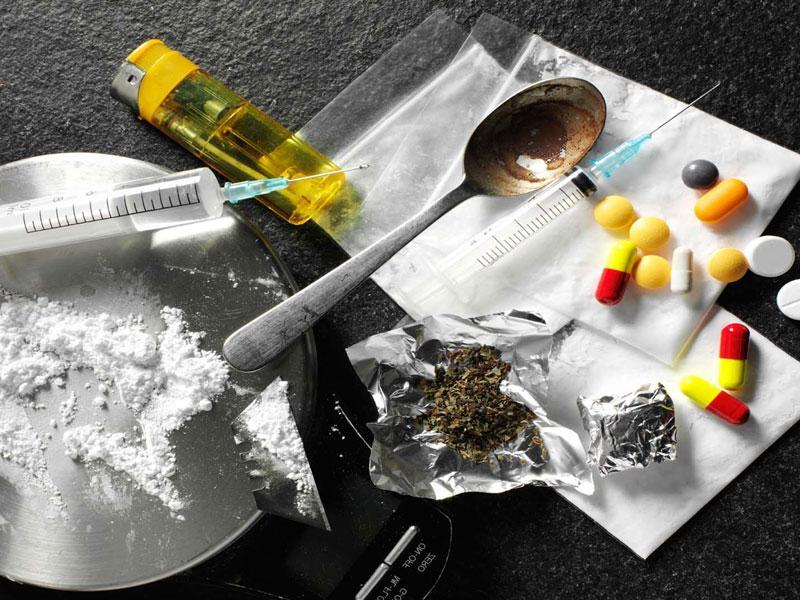
Marwa warned that children as young as 10 are now being introduced to dangerous substances such as tramadol, cannabis, codeine syrup, methamphetamine (locally known as Mkpuru Mmiri), rohypnol, cannabis cookies, glue inhalants, and flavored vapes.

He recounted a case of a 14-year-old schoolboy addicted to cannabis and codeine, whose drug use, introduced by a neighbour, led to his expulsion from school after he collapsed during a sports rehearsal.
Read also; Stakeholders raise alarm over rising drug abuse among youths, harp on legal reforms
Drug peddlers, he said, now employ street hawkers and cart pushers as unsuspecting conduits for drug distribution, while many parents remain unaware of their children’s exposure to these substances.
To combat the menace, Marwa outlined NDLEA’s multi-faceted strategy involving both supply and demand reduction.
According to him, this includes the War Against Drug Abuse (WADA) campaign launched in 2021, the establishment of Drug-Free Clubs in schools, training for teachers and parents on early detection, nationwide community outreach, the creation of a 24/7 helpline for drug emergencies, and strategic partnerships with agencies such as UNICEF and the UNODC.

While arrests and seizures remain part of their operations, Marwa emphasised the agency’s equal commitment to education, advocacy, and rehabilitation.
However, he cautioned that NDLEA cannot fight this war alone and called on all segments of society to join the fight. He urged parents to be more vigilant and communicative with their children, teachers to incorporate life-skills education, religious and traditional leaders to use their influence for prevention, and media figures and entertainers to desist from glamorising drug use.
Marwa also appealed to journalists, civil society organisations, and the private sector to support awareness and treatment efforts.
“Every time we protect a child from drugs, we are protecting them from a future of dependency, delinquency, disease, and destruction”, Marwa stated.
He commended HURIWA for its commitment to the cause, expressing hope that the 2025 lecture would spark a broader national movement.
On his part, Sadiq Abba, former Deputy Vice Chancellor and a respected academic, warned that Nigeria faces an existential threat unless decisive steps are taken to halt the spread of hard drug abuse among children and youths.
Read also: Poor regulation, peer pressure fuel rising drug abuse cases
He urged the Government to declare a national emergency backed by legislation, funding, and enforcement. Drawing comparisons with international drug control successes, he criticised Nigeria’s weak institutional oversight and the unchecked availability of substances like codeine, particularly in northern states, where an estimated 3 million bottles are consumed daily in Kano and Jigawa alone.
Abba praised NDLEA’s resilience but lamented its inadequate funding. He shared disturbing cases from his university, where students under the influence of drugs collapsed during exams or could not comprehend basic academic tasks.
He stressed that drug prevention should be considered a human rights issue and called for specific budgetary allocations across all levels of government to support families, schools, and media-based anti-drug initiatives.
According to him, parents must be supported to play their foundational role in child upbringing, citing Japan’s State-backed value-based parenting policies as a model.
Earlier, in his welcome address, Emmanuel Onwubiko, HURIWA’s National Coordinator, called on President Bola Tinubu to immediately declare a national state of emergency on drug abuse among youths.
He described the situation as a full-blown epidemic, referencing United Nations data showing that 14.4% of Nigerians between the ages of 15 and 64 abuse drugs, nearly three times the global average. One in five of these individuals, he added, already suffers from drug use disorders.
“The government’s failure to act on long-standing warnings and data, highlighting the widespread abuse of codeine-based syrups and the normalisation of drug use among Nigerian youth”, Onwubiko decried.
He recounted tragic cases, including that of a 14-year-old girl in Lagos addicted to codeine, and a young man in Kano found chained in an unsanitary rehab centre.
Despite commendable efforts by agencies like NDLEA and NAFDAC, he noted that lack of funding continues to cripple effective nationwide intervention.
To address the crisis at the grassroots, HURIWA launched a comic book targeting schoolchildren, distributing 4,000 free copies in Abuja alone.
Read also: Drug abuse is worrisome in Northern States – Buni
However, Onwubiko lamented the lack of funding to expand the project, revealing that appeals to philanthropists such as the Dangote Foundation have gone unanswered.
He also disclosed plans for cartoon-based television programming aimed at educating young viewers, though the initiative is stalled due to financial constraints.
Onwubiko emphasised that civil society, the private sector, and development partners must rise to support NDLEA and initiatives like HURIWA’s.
He called on corporate organisations to fund rehabilitation centres, media outreach, and school campaigns.
He warned that unless urgent action is taken, Nigeria risks decades of instability, insecurity, and a public health disaster driven by drug addiction.