As Nigeria continues to look for ways of bridging foreign exchange (FX) shortfall, some experts in the apparel and textile industry have urged the government to leverage Made-in-Nigeria clothing to increase her gross domestic product (GDP), minimise unemployment by prioritising policy alternatives and investments into the country to strengthen its manufacturing hub.
“The primary function of the government and lawmakers in every country is to prioritise policy alternatives and investments that can provide the most value for each naira spent. Nigeria has to strengthen its manufacturing hub so that it can tell its own African story and become the next destination for clothing source in West Africa; similar to Ethiopia,” Sinmisoluwa Adesanya, Legal and Policy Lead at the Council for International Africa Fashion Education (CIAFE) said during the panel discussion at the Source Textile Apparel event, which was organised by Leot Africa.
According to Adesanya, players in the apparel and textile industry must also collaborate with other key players across the continent so as to benefit from the growing African apparel market. “Ethiopia, considered the horn of Africa due to its stable democracy and growing economy, has an apparel manufacturing hub Nigeria could partner with to attract investors, but we must communicate our story and implement it in tandem with our culture and climate”.
Adejoke Lasisi, the executive director of Planet 3R, stated that Nigeria has not been able to create the needed regulations for an enabling climate that will enable the country to benefit from its vast market with enormous potential.

Read also: Creative expert calls for support in grooming future fashion entrepreneurs
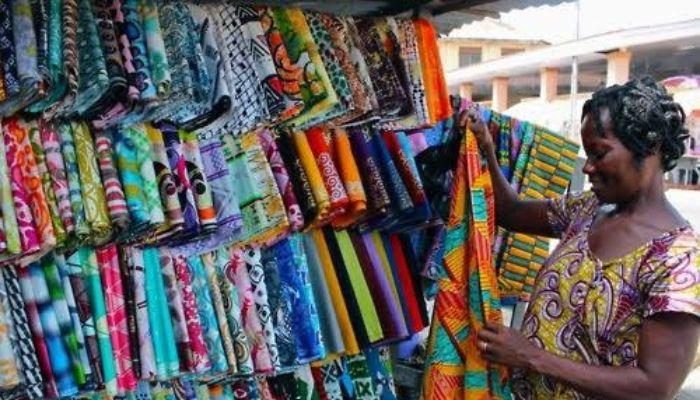
“As a result of steady labour, China and other countries have advanced in apparel production,” Lasisi said. “I don’t mean contracts when I say constant employment; I mean giving and creating for their populations. We should support our local clothing makers. Ankara is being printed in China; even our Aso Oke is manufactured there as well because I have seen imported Aso Oke in the market,” Lasisi said.
She also emphasised the need to sustain ongoing effort to recycle waste, stating that waste from used clothing might be used to foster the circular economy in Nigeria.
“As a businesswoman with expertise in this area, I can assure you that if what we create locally is as excellent as what is imported and we can sell it at a lower, or even the same, price, people will buy, including those who believe in importation,” Lasisi said.