France and Germany have said they hope for a deal with the US to avoid a full-blown trade war over aircraft subsidies but warned that they would eventually hit back against Washington if no agreement could be reached.
“We are offering the hand of friendship, and I hope the US listens to the voice of reason.” said Bruno Le Maire, French finance minister.
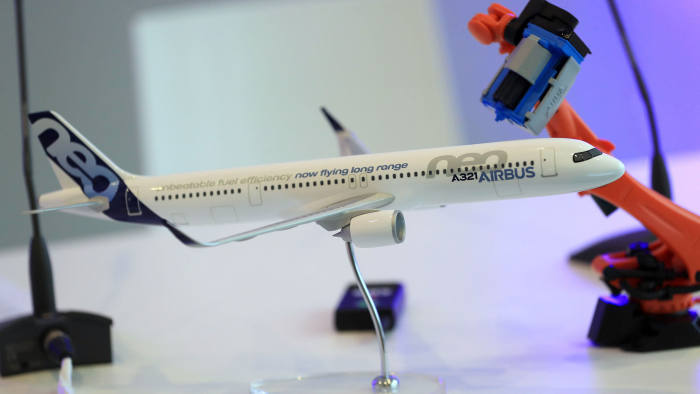
The US government said this week it would impose 25 per cent tariffs on EU goods ranging from cheese, olives, business suits and sweaters, after prevailing in a WTO case over illegal support to Airbus, the pan-European aircraft manufacturer.
Arbitrators at the Geneva-based body gave the US the go-ahead to impose levies on $7.5bn of goods, marking the biggest authorisation of countermeasures in the WTO’S history in a case that has dragged on for 15 years.

Read also: Veritasi holds mentoring program for entrepreneurs
The WTO is expected to give its final green light to the US tariffs on October 14, and the levies will take effect on October 18 — an urgent timeline for Washington and Brussels to try to avoid the levies.
As of Friday, no negotiations between Washington and Brussels had been scheduled to reach a deal and defuse the dispute.
New US tariffs against the EU threaten to escalate into a tit-for-tat trade spat, at a time when widening trade tensions are straining the global economy.
Brussels could strike back next year when the WTO will almost certainly rule that the US was itself in violation of subsidy rules by giving tax breaks to US aircraft manufacturer Boeing.

“If the US administration refuses the hand held out by France and the EU, we stand ready to react, through sanctions that would be within the framework of the WTO,” Mr Le Maire said.
Heiko Maas, the German foreign minister, conveyed a similar message, saying the EU “will now to have to react and, once they have been approved by the WTO, impose its own punitive tariffs”.
European officials said that one plan for immediate retaliation — to employ sanctions already authorised by the WTO in a previous case — had been shelved as too inflammatory and counterproductive. The move, which would resurrect up to $4bn in sanctions from a case from 2002 over an illegal US corporation tax break, was considered by the European Commission but rejected for now.