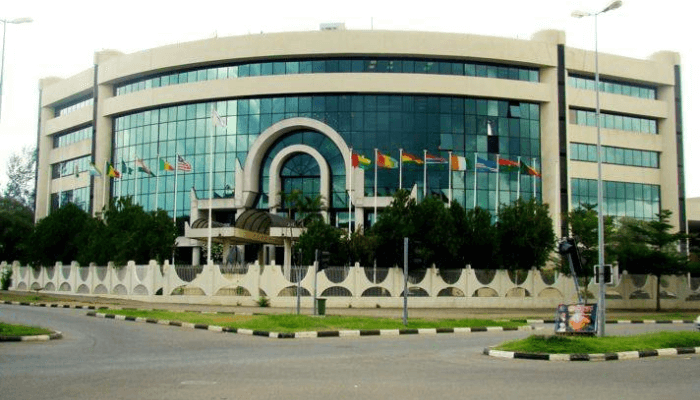
As the Economic Community of West African States (ECOWAS) Parliament gathers in Lagos from March 3 to March 8, 2025, for an extraordinary session, the regional body faces a pivotal moment. The withdrawal of Niger, Mali, and Burkina Faso has cast a long shadow over its unity, raising concerns about the future of regional integration, security, and economic cooperation.
Against this backdrop, the ECOWAS Parliament will hold its first parliamentary seminar of 2025, its first extraordinary session of the year, and a forum of the ECOWAS Female Parliamentarians Association (ECOFEPA).
The meetings in Lagos are expected to provide a platform for dialogue on the bloc’s challenges and the way forward.
ECOWAS, originally established to foster economic and political integration, has been grappling with internal crises, especially in the wake of military takeovers in Mali (2020, 2021), Guinea (2021), Burkina Faso (2022), and Niger (2023).

The decision by the military-led governments of Niger, Mali, and Burkina Faso to exit ECOWAS, formalized in January 2024, has disrupted decades of regional cooperation and economic ties.
The withdrawal of these three Sahelian nations affects over 72 million people, disrupts trade networks, and weakens ECOWAS’s collective security framework. These countries account for approximately 8% of ECOWAS’s annual Gross Domestic Product (GDP) and serve as a crucial trade corridor between coastal and Sahelian nations.
Their departure is expected to impact cross-border trade, particularly in agriculture and livestock, as new tariffs and restrictions may slow commerce. Security cooperation is also at risk. The three breakaway nations have formed the Alliance of Sahel States (AES), prioritizing independent security collaborations.
With persistent threats from terrorist groups and armed insurgencies in the region, this fragmentation raises fears of worsening instability.
Onwubuya Hillary, a political analyst, believes ECOWAS’s firm stance against the coups is driven by its desire to deter similar occurrences across the region. “ECOWAS had made it clear that it won’t work with the regimes… because it wishes to deter military coups in other countries within the bloc,” he said.

However, the juntas governing Niger, Mali, and Burkina Faso have accused ECOWAS of prioritizing foreign interests over their sovereignty, leading to their withdrawal. Abraham Ikoli, a Public affairs analyst, highlights the economic consequences, stating, “The main impact will be on trade and economic development… The loss of any member will affect economic growth.”
He also emphasizes the importance of these countries in regional food security, noting, “Niger is a key source of onions, while Burkina Faso exports tomatoes to the sub-region.”The Lagos session presents ECOWAS with an opportunity to reassess its governance structures and responsiveness to member states’ concerns.
Analysts suggest the bloc must adapt to remain relevant in a rapidly evolving geopolitical landscape.
Hillary argues that ECOWAS needs to explore new paths for collaboration and potentially grant concessions to the withdrawing countries, stating, “Preventing their exit would be in the interest of the bloc and all ECOWAS citizens.”
Meanwhile, the regional body introduced interim measures to maintain cooperation and minimize disruptions for citizens and businesses in the affected nations.
In a statement released on Wednesday, January 29, 2025, ECOWAS reaffirmed its commitment to regional solidarity, emphasizing that despite the departure of the three countries, it remains dedicated to safeguarding the interests of the region’s populace.
The move reflects ECOWAS’s determination to keep diplomatic channels open with the withdrawing member states.
To facilitate continued movement and avoid immediate administrative challenges, ECOWAS announced that authorities within and outside its member states would continue recognizing national passports and ID cards bearing the ECOWAS logo from citizens of Burkina Faso, Mali, and Niger until further notice.
As ECOWAS navigates this crisis, its ability to address the root causes of fragmentation will determine the future of regional cooperation.
Analysts argue that the outcomes of the extraordinary session in Lagos could shape the trajectory of West African integration and stability for years to come.