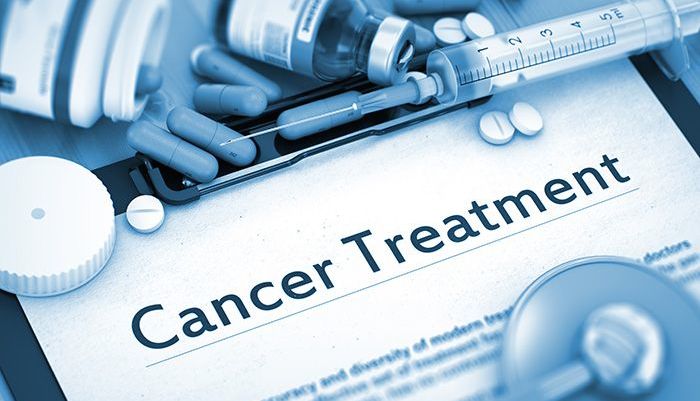
A DNA-based blood test is changing the future of cancer detection by spotting more than 50 types of the disease before symptoms appear.
Known as Galleri, the test scans the bloodstream for tiny fragments of tumour DNA shed by cancer cells, allowing doctors to identify early signs of cancer, pinpointing where it is developing, long before it becomes life-threatening, a report by The Independent revealed.
Developed by US-based biotech company Grail, the test is being evaluated by the UK’s National Health Service (NHS) and could mark a turning point in global cancer screening.
In a major real-world trial known as Pathfinder 2, researchers found that Galleri correctly identified cancer in 61.6 percent of people whose blood samples showed a cancer signal. Even more striking, the test accurately pinpointed the organ or tissue of origin in 92 percent of those cases, thereby helping doctors know where to look next.

Read also: Biologix introduces advanced cancer diagnostic tests to improve survival rates in Nigeria
“We are really very excited. This is a further step along the way in really transforming cancer outcomes,” Sir Harpal Kumar, president of International Business and BioPharma at Grail and former head of Cancer Research UK, averred.
Traditional screening methods, like mammograms or colonoscopies, target only specific cancers. But Galleri works differently as it looks for tiny fragments of tumour DNA in the blood, allowing it to detect multiple cancers at once, even in people with no symptoms.
In the Pathfinder 2 trial, conducted in the US and Canada with over *23,000 symptom-free participants, Galleri’s addition to regular screening programmes led to a sevenfold increase in the number of cancers detected within a year.
Over half of those cancers 53.5 percent were caught at stage I or II, when treatment outcomes are most favourable. In total, nearly 70 percent were identified at stages I to III, before the disease had spread widely.

For Harpal, these numbers represent more than statistics as they signal a possible shift in how health systems like the NHS could approach cancer care. “If we can find substantially greater numbers of cancers before they present clinically, we can use more effective and, in many cases, curative treatments. That should make a substantial difference to cancer outcomes,” he said.
The Galleri test’s strength lies in both its scope and precision. It was able to rule out cancer in 99.6 percent of healthy individuals and detect the site of the tumour with remarkable accuracy.
For doctors, this can be a major time-saver. Instead of conducting multiple scans or invasive biopsies, they can quickly focus diagnostic efforts on the right part of the body.
“If somebody presents with abdominal pain, you might ask: Is this ovarian, pancreatic, or colorectal cancer, or not cancer at all? If we can help clinicians direct those investigations, then we can make much better use of what is very scarce diagnostic capacity,” Harpal explained.
Read also: Breast Cancer Awareness: Breaking the silence, saving lives
This precision could be especially valuable for hard-to-detect cancers like pancreatic, liver, ovarian, and head-and-neck cancers, which are often discovered late, when treatment options are limited.
The NHS Galleri trial, which is testing the technology on tens of thousands of people in England, is expected to publish its results by mid-2026. If successful, the test could be rolled out widely, potentially as an annual blood test for people aged 50 and above, when cancer risk begins to rise.
Modelling studies suggest that such a programme could lead to 49 percent fewer late-stage diagnoses and 21 percent fewer deaths within five years.
Josh Ofman, president of Grail, said the data so far is extremely compelling, noting that about three-quarters of Galleri-detected cancers do not have recommended screening tests today.