All is quiet on the deregulation of the downstream sector. Since the policy pronouncement of the government early this year, February to be precise, no concrete measures towards deregulation has emerged. What has since emerged are pronouncements that point to the contrary, and give clear indications that the government may have abandoned the policy altogether.
Last week, advertorials by the Major Oil Marketers Association (MOMAN) appeared in the papers. They warned that rising oil prices would lead to rise in the subsidy required to be paid to them for petroleum imports. This warning would have been made in the context of the last petroleum scarcity when outstanding subsidies were clearly an issue. Nonetheless, the association pressed its argument of “overwhelming support for a fully deregulated and liberalised downstream petroleum sector.”
Clairvoyance is not required to read the hand writing on the wall. Domestic refining of petroleum, under a regulated price regime is not sustainable, despite government’s avowed claim to curb inefficiency and corruption which fuel subsidy has engendered. So why bother about investing in oil refineries, when government shows no signs of deregulation?
Hardly surprising, oil prices are rising by the day – an alluring but misplaced reason to maintain the status quo. This shows the clearest indication that the motivation for price deregulation was lack of fund for subsidy, rather than a well articulated government economic policy change. Yet this thorny issue that organised labour finally lent its support to – with conditions eg, repair of the country’s three refineries being chief among them – looks destined for non-implementation. But we doubt that higher oil prices, despite lower output, should ensnare government to continue with subsidy.
Read Also: Fixed income market loss is equities gain as domestic deals hit six-month high
To dilly dally about deregulation is to further subject Nigerians to a parlous welfare. We, far from seeming to be indifferent to the plight of the common man – in who’s interest labour has supposedly fought against deregulation – believe, and strongly so, that deregulation of the downstream oil sector and reform of the downstream sector, will benefit majority of Nigerians, both now and in the future.
The truth must be told, and civil society organisations and organised labour need to heed this, those who benefit from the status quo are the ones with sufficient income to bear oil price increases. They are the ones whose incomes can be stretched to accommodate rising food and energy prices. Their cars, new or second-hand, are fuel-efficient relative to the buses and taxies inundate along our dilapidated roads.
Owners of fuel-guzzling cars especially benefit from fuel subsidies as they pay even less for the amount of fuel consumed. In contrast, the common man’s miniscule income must contend with poorly networked roads (that hamper efficient transportation of food and refined fuel across the country). With little else for energy, say, kerosene – their best alternative to electricity, Nigerians further away from urban centres are trapped in a perpetual cycle of poverty, a vicious though avoidable cycle.
In the past weeks, government has with military might confronted militancy in the Niger Delta – to ensure the 6,000 megawatts promised this year is not derailed and also to boost oil production. More money in its coffers boosted by broadening the tax base and swooping on tax evaders will, hopefully, put the 2009 budget back on track. These gains should be complemented by executive and legislative will to rid the country from shame: a major producer that can barely meet 10 percent of its local refined fuel needs.
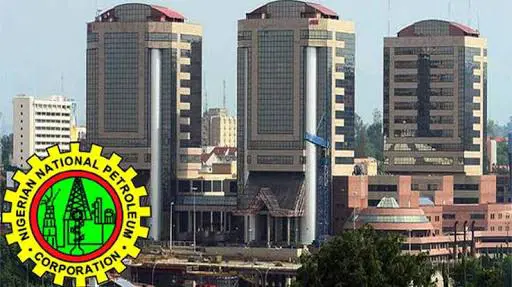
To do otherwise is to cow to the throttlehold of a yet to be exposed and prosecuted oil importation cartel. We view the probe of NNPC by the National Assembly as most welcome. But short of deregulation, passage of the petroleum industry bill and laying the groundwork for institutions, this probe, alas like several others in the past, will be sheer grandstanding. Dithering over deregulation only means time buying that keeps the status quo: continued plundering of our national assets by a few, because they are above a non existent rule of law.