Diageo Plc fell after it said the Securities and Exchange Commission is looking into its distribution practices in the U.S., compounding the distiller’s woes as frustrated investors question the performance of its chief executive officer.
Diageo said Thursday it’s working with the SEC to provide information on its distribution methods, after the Wall Street Journal said the regulator is checking whether the company shipped excess inventory to boost results. The shares fell as much as 2.6 percent in London trading.
Two years after taking the helm with a view that selling drinks is a simple business, CEO Ivan Menezes is grappling with stagnating sales, troubled acquisitions in China and India and a share price that has lagged the European Food & Beverage sector by more than 30 percentage points over his tenure.
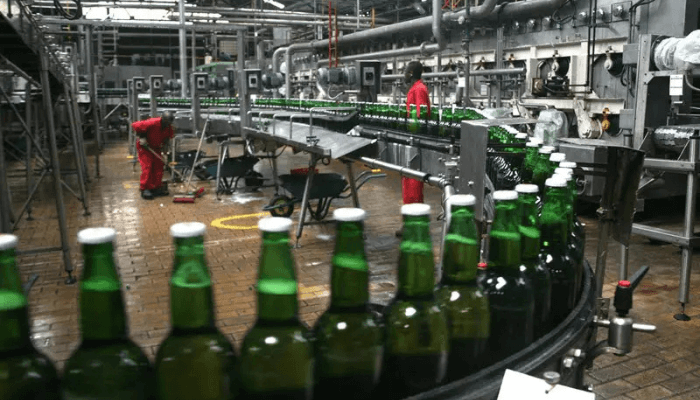
Another challenge is its beer business, which includes Guinness stout and Red Stripe lager and saw an 11 percent drop in volume last year.

A sale of beer could fetch as much as 11 billion pounds ($17 billion), bolstered by the potential for growth in Africa and the lower tax rate on Guinness in Ireland, said Simon Hales, an analyst at Barclays. Diageo declined to comment on potential divestments.
The main obstacle to a deal may be Menezes himself, who has said Diageo needs beer in Africa to help pave the way for consumption of spirits. The advantage of this strategy is limited. In Nigeria, the company uses separate sales teams and distribution channels for the two beverage categories.
Menezes has also paid about $3 billion for deals in countries such as India and China amid an emerging markets slowdown. The biggest acquisition was the buyout of United Spirits Ltd., India’s largest distiller. That business now faces an accounting probe as a report commissioned by the board found the company had diverted funds to companies controlled by USL Chairman Vijay Mallya.
While the push has exposed the company to issues of corporate governance, some investors still see promise in emerging markets and the CEO’s strategy. Others say the company’s failings risk opening a flank to an investor who might push for bigger changes.