|
Getting your Trinity Audio player ready...
|
The International Monetary Fund (IMF) has said that the drop in demand for Nigeria’s oil poses a challenge to Nigeria’s revenue and thus the sovereign risk of Nigeria.
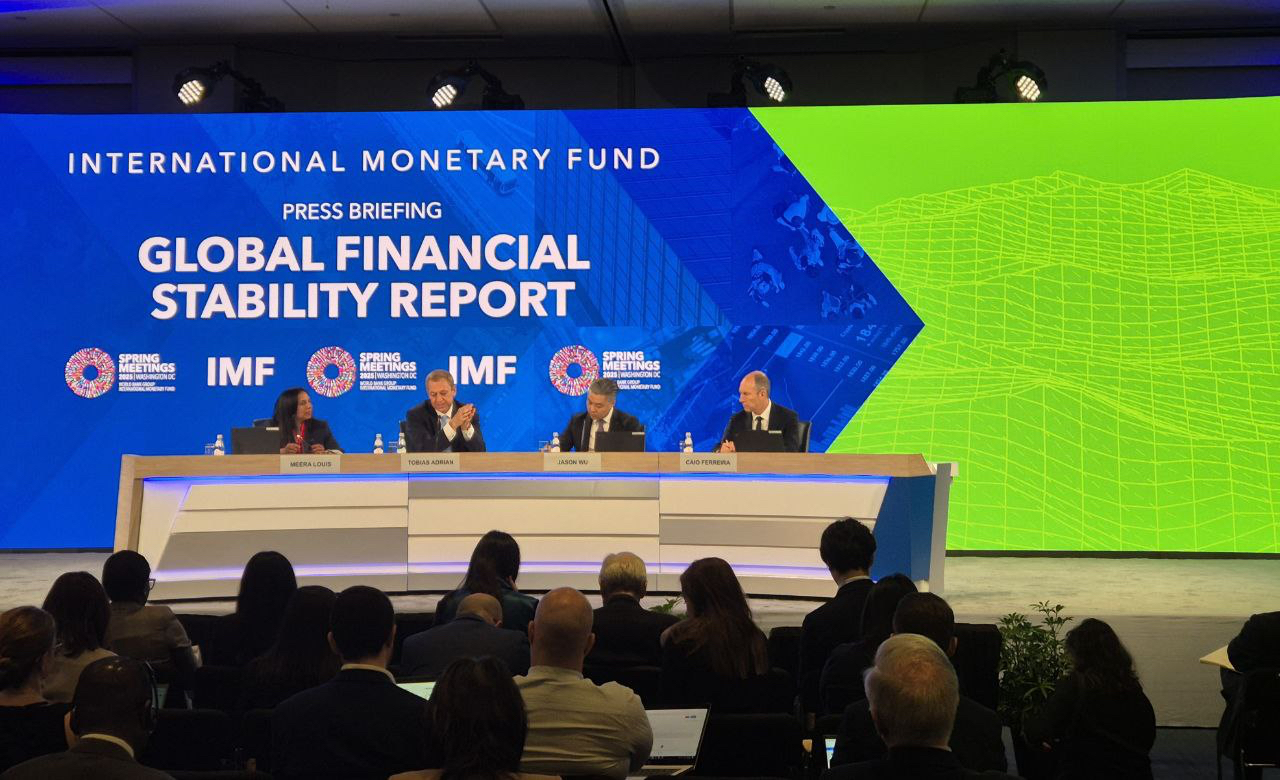
Jason Wu, assistant director, monetary and capital markets department, IMF, said that Nigeria’s reforms, such as the unification of the FX market, had earlier reduced the sovereign spreads in Nigeria.
“ Nigeria’s sovereign spreads have increased in recent weeks, due to lower global demand for oil, which will weigh on its revenue. These will make investors vigilant,” Wu said.
Nigeria’s sovereign spread refers to the difference in yield between Nigerian government bonds (usually denominated in US dollars, known as Eurobonds) and comparable US Treasury bonds. It is a key indicator of the risk premium that investors demand to hold Nigerian debt instead of the safer US government debt.

The International Monetary Fund (IMF) commended Nigeria for pressing ahead with some of its boldest economic reforms in decades; however, it offered a cautiously optimistic assessment of the country’s progress.
The verdict came after a two-week mission to Lagos and Abuja for the IMF’s 2025 Article IV Consultation, which concluded on April 15. It also came ahead of the 2025 IMF/World Bank spring meetings, which began Monday in Washington, DC.
“The Nigerian authorities have taken important steps to stabilise the economy, enhance resilience, and support growth.
“These reforms have put Nigeria in a better position to navigate the external environment,” Axil Schimmelpfennig, IMF mission chief to Nigeria, said.
“But significant uncertainty remains, and more work is needed to anchor inflation, expand buffers, and foster private sector-led recovery.”