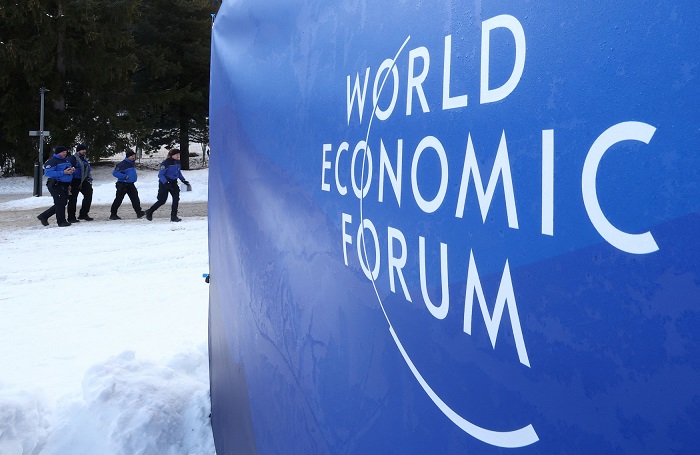
Every January, Davos becomes a stage where leaders demonstrate stability, credibility, risk, and readiness. The World Economic Forum’s Annual Meeting does not pass budgets, but it is one of the few global spaces where stories and money meet. In 2026, the meeting took place in a harsher world than expected. Economic tools have become weapons, and geopolitical rivalry influences trade, capital, and technology. Open conversation is less common. Fittingly, the theme was “A Spirit of Dialogue”. Nearly 3,000 attendees from over 130 countries gathered from January 19 to 23, 2026.
Nigeria made a visible entrance at Davos, led by Vice President Kashim Shettima and launching its first official Nigerian House on the Promenade. Presence at Davos matters: some countries shape discussions, others remain observers. By establishing a base, Nigeria signalled a shift toward sustained involvement—demonstrating readiness to host, bring people together, negotiate, and make deals beyond mere potential.
“The best way to judge Nigeria at Davos is not by panel speeches, but by what is signed, funded, and delivered after returning home. The Nigerian House offers more professional engagement, but the real test is what happens between February and June 2026, not during the event.”
Still, Nigerians ask a pressing question: what impact does Davos have at home? What meaningful outcomes result beyond headlines? While conference diplomacy helps frame narratives, it cannot substitute for the true groundwork essential for national progress. For Nigeria, the reality is that WEF engagement has often prioritised image over sustained economic diplomacy. This provides leaders with international visibility and networking opportunities, but these gains tend to serve individuals more than the collective good.
Foreign investment and meaningful partnerships require policy consistency, regulatory clarity, dependable infrastructure, transparent contracts, macroeconomic stability, easy capital repatriation, and asset security. Davos can spotlight intentions but cannot substitute for the fundamentals that drive investment. When officials call Davos a turning point, citizens must ask: a turning point toward actual reforms or just new headlines?

This is why Nigeria House is important, but also where it could fall short. At Davos, “Houses” are more than lounges with branding and coffee. They are deal rooms where countries and companies hold focused discussions, private meetings, policy sessions, and one-on-one talks to turn interest into real commitments. The Federal Government described the Nigerian House as a venue for ministerial meetings, investment talks, and cultural diplomacy, organised through partnerships between ministries and private companies.
The programme targeted five main areas—solid minerals and mining, trade and agriculture, climate investment, energy and environmental sustainability, digital trade and technology, and the creative economy. This breadth was strategic: Nigeria aimed to display not just market potential but a clear agenda aligned with investor interests—finance, legal certainty, and security. Nigeria House shifts from mere promotion to substance, but real substance is measured by execution. Historically, Nigeria has convened well but struggled to translate meetings into outcomes. The government must remove barriers and de-risk investment; the private sector must drive exports and innovation. Without conversion, participation is reduced to performance.
Davos exposes Nigeria’s credibility challenge. Internationally, narratives highlight market size, potential, and reforms; domestically, persistent issues remain—unreliable infrastructure, unstable policies, weak governance, insecurity, and inefficiency. In a risk-averse world, Nigeria’s challenge is not presentation but predictability. Success requires steadfast rules and tangible outcomes.
Just being at high-level meetings is not the same as success. Success means shaping results that others recognise. Nigeria has a large population, but size alone is not influential. Real influence comes from a clear strategy, strong institutions, and keeping promises. Davos can help amplify Nigeria’s voice, but it cannot create credibility.
This leads to the evidence problem. Nigerians rarely see clear reports from WEF: what was signed, funded, implemented, started, or finished. There are many announcements, but follow-through is rare. In a country where missed chances have costs, empty gestures are costlier.

Still, it would not be fair to call Davos just a show. Global forums like Davos can accelerate concrete outcomes, such as new investment commitments, agreements between regulators and companies, and strategic partnerships, by bringing together investors, development banks, regulators, buyers, tech leaders, and top officials for a few busy days. If used well, Nigeria can achieve in 72 hours what might take months. The real question is whether we use Davos to secure these outcomes or just to impress others.
The best way to judge Nigeria at Davos is not by panel speeches, but by what is signed, funded, and delivered after returning home. The Nigerian House offers more professional engagement, but the real test is what happens between February and June 2026, not during the event.
That test depends on three things. First, preparation: arriving with investment-ready projects, credible data rooms, clear risk-mitigation plans, and coordinated regulatory positions—so conversations can move from interest to term sheets. Second, authority: delegations must carry real decision-making power, not just talking points. If officials cannot negotiate timelines, resolve bottlenecks, or commit to next steps, meetings become theatre. Third, systems: Nigeria must be able to execute—fast approvals, predictable policies, contract enforcement, and a culture that rewards outcomes over announcements. Without these, momentum fades, and Davos becomes an annual ritual of hope.
There is a moral responsibility. Nigerians live with the outcomes of economic decisions. When leaders return, people deserve more than positive statements. They deserve specifics: what was discussed, what was agreed upon, timelines, responsible agencies, challenges, and how results will be delivered.
If Nigeria wants future participation in the WEF to make a difference, the way forward is clear: discipline. Build a steady pipeline year-round, not just a January event. Focus on fewer priorities with better preparation. Plan meetings to close deals, not just to get applause. Set up a post-Davos schedule with clear owners and measurable goals. Share a transparent tracker that shows the difference between “discussions held”, “terms agreed”, “financing secured”, “procurement started”, and “projects executed”. Also, accept that the reforms needed for investment—stable policies, transparency, enforceable rules, and fewer obstacles—will challenge those with a stake in the old ways. That is the cost of seriousness.
Dr Dakuku Peterside is the author of 2 bestselling books: Leading in a Storm and Beneath the Surface.