Africa’s richest man Aliko Dangote is doubling down on his refinery’s role as Nigeria’s energy bastion. Heightening Middle East tensions sparked a 26 per cent swell in Brent crude price above $84 a barrel in early March 2026. Global volatility has deranged refineries worldwide, as China banned gasoline and diesel exports, worsening scarcity. So, when Dangote Refinery and NNPC promised a “strategic alliance” to secure Nigeria’s energy future last month, laudations poured in torrents. And why not?
The Dangote Group reassured that it is committed to national stability and so prioritises domestic supply and absorbs 20 per cent of cost hikes to cushion consumers. But many wonder whether just one mega-refinery can sufficiently fence Nigeria from global shocks.
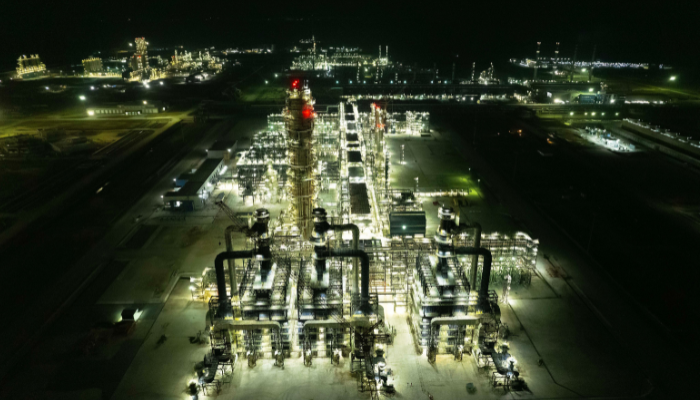
Soothing are the numbers on paper. The 650,000 barrels-per-day (bpd) plant is now the world’s largest single-train refinery. Producing up to 75 million litres of premium motor spirit (petrol) daily to surpass Nigeria’s daily consumption estimates of c.62 million litres, the facility has been on full blast since February. It currently dispenses 62 per cent of the country’s petrol and more than half its 16 million litres of daily diesel needs, steering Nigeria from import dependence to self-self-reliance.
The refinery plans to raise capacity to 1.4 million bpd by 2028; this is supported by a $400 million Chinese equipment deal, promising surplus for exports and likely positioning Nigeria as cynosure of Africa’s refining.

The ides of shocks: A lurking leech
Inherent challenges to full realisation of the refinery’s promise rest on internal inefficiencies and external treachery. For instance, oil production stalls at 1.5 million bpd versus planned 2.06 million and daily gas output perches at 8 billion cubic feet, away from the 12 billion target by 2030.
Then, there are upstream failures in the Petroleum Industry Act that force Dangote to import crude at premiums that sometimes top $6 above Brent. This adds to freight to put landing costs at almost $91 per barrel compared to $68 last year. Meanwhile, NNPC supplies only five cargoes monthly where 13 are required, and forex strains remain sticky in Nigeria’s deregulated market.
On the external front, the “Midnight Hammer” crisis choked the Strait of Hormuz essentially, erasing an estimated 15 million bpd from seaborne trade. Brent has touched $100 with OPEC+ handing a languid response that has failed to calm frenzied markets, a debacle for a historical net importer of refined products.
Still, Dangote Refinery represents a fundamental progress over the previous tradition and can stabilise Nigeria’s fuel market, but only as part of a broader ecosystem of manifold supply, working infrastructure and competitive downstream markets.