|
Getting your Trinity Audio player ready...
|
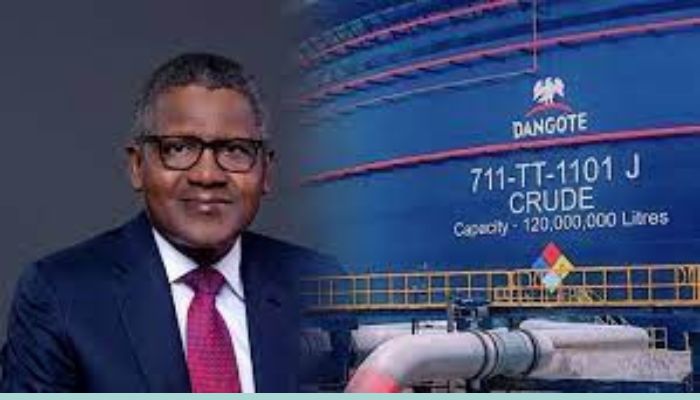
Dangote Petroleum Refinery has accused Nigeria’s fuel importers, including Matrix and NIPCO, of sabotaging its operations through inflated petrol consumption figures, fraudulent subsidy claims and the supply of substandard products that have cost the country trillions of naira.
In a BusinessDay advertorial response to the Depot and Petroleum Products Marketers Association of Nigeria (DAPPMAN), the refinery alleged that the 93 million litres daily petrol consumption figure often quoted by marketers is “grossly overstated,” insisting that actual demand is less than half that level.
According to the company, the inflated numbers were used for years to justify subsidy payments, crude swap deals and equalisation fund claims, enabling round-tripping and revenue leakages while Nigerians endured shortages and adulterated fuel.
“The Nigerian consumer has been systematically exploited for years through inflated data and fraudulent practices. The reality is that the country consumes far less petrol than what is being claimed by importers,” the refinery said.

Read also: Dangote accuses fuel marketers of refusing to lift products
The company also accused members of the Depot and Petroleum Products Marketers Association of Nigeria (DAPPMAN) of importing low-quality petrol in 2022 containing over 15 percent methanol, a chemical blend that damaged thousands of engines across the country.
Dangote called for a forensic audit of the records of major importers, including Matrix, AA Rano, AYM Shafa and NIPCO, alongside an investigation of equalisation payments and regulatory revenue accounts.
It said publishing marketers’ financial statements for the last ten years would reveal the extent of the alleged fraud.
The refinery has also raised concerns about alleged conspiracies surrounding the certification of petroleum products imported into Nigeria.

“The so-called certificates of quality, if subjected to an independent forensic audit, would not match up to industry standard, which forms the basis for the actual pricing template of the products,” the refinery said.
The company added that claims about its contribution to national supply are misleading.
“DAPPMAN also contends that the Dangote Refinery supplies only 35 percent of national demand. Unfortunately, the regulators have failed to publish transparent or independently audited daily consumption data, or to implement equalisation levies per litre. Without accurate figures, effective planning and fair quota allocation as required under Sections 317(7) and (8) of the PIA remain elusive. An independent forensic audit is urgently required.”
Read also: Dangote accuses IOCs of plotting refinery’s downfall
On unionisation, Dangote refinery dismissed the argument as a distraction. The plant said the latest narrative “around unionisation is merely a cheap ploy, an act of desperation by a group resisting reform.”
The refinery also challenged comparisons between petrol prices in Nigeria and neighbouring Togo.
“A straightforward check reveals that the average pump price in Lomé stands at approximately 680 CFA francs per litre, equivalent to N1,826. This figure reflects the very scenario that DAPPMAN and its affiliates appear to advocate for in Nigeria,” it said.
It maintained that its operations have positioned Nigeria as the primary source of affordable petrol feedstock for West Africa, even though the refinery still imports more than 60 percent of the crude oil it processes.
According to the company, it is increasingly clear that DAPPMAN and some of its members remain “disproportionately focused on the importation of refined products.”