There is a critical role traveling beyond a place where people are used to plays in the education of young people, say experts.
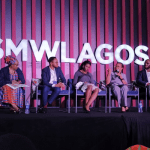
The experts were speaking on the second day of the ongoing Social Media Week Lagos, at a session tagged ‘The Value of Nigerian Cultural Economy for Travel’.
Nigeria has one of the most diverse cultural heritage in Africa and the world. It is shaped by the country’s multiple ethnic groups. Nigeria has over 521 languages and over 1150 dialects and ethnic groups.
The four largest ethnic groups are the Hausa and Fulani who are predominant in the north, the Igbo who are predominant in the southeast, and the Yoruba who are predominant in the southwest. The Edo people are predominant in the region between Yorubaland and Igboland. Much of the Edo tend to be Christian

According to the experts, the country offers tremendous opportunities for educating young people but decried that many of them hardly get to see the wealth of cultural heritage the country possesses.
Beyond traveling within the country is the need to expose young people to other places outside the country.
Prisca Omenai, a travel expert said traveling was beyond going on vacation.
“We need to take our children traveling. And go beyond regular vacation or just going to London and lodging in your family house or doing the same things they do back home,” she said.
She emphasised that traveling is educational hence young people need to be allowed to experience the culture and the place.

Emeka Okocha, CEO of Nothing to Do in Lagos, described it as creative tourism.
Creative tourism is defined as the type of tourism which offers visitors the opportunity to develop their creative potential through active participation in courses and learning experiences, which are characteristic of the holiday destination where they are taken.
“Creative tourism is not far fetched. It is as simple as looking at things already in your environment and adding your personal, creative tweak to it,” said Okocha.
Part of the benefit of creative tourism is that it helps to preserve both tangible and intangible values. It helps to preserve the local heritage, creates work places for locals, contributes to the improvement of the local economy through income to local residents, and is highly sustainable
Ojomai Ochai said there was a need to be flexible with the definition of culture.
“In Nigeria, we often tend to refer to culture as the things our forefathers did. But that is wrong. That is heritage. Culture is what we do now, how we live.” said Ochai.