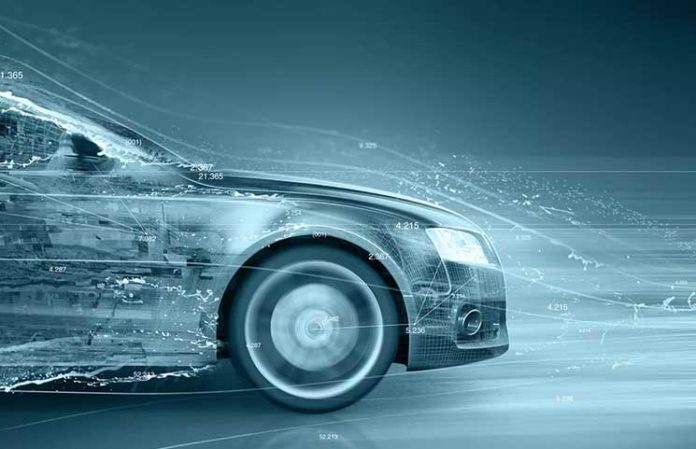
A global race is underway to digitize cars, and the perception is that the newcomers with a disruptive mentality have taken pole position. Silicon Valley and China are investing heavily in computer-controlled smart vehicles, closing the gap on Germany, traditionally an important and large market for the automotive and wider transportation sector.
Indeed, Volkswagen has held the top spot for selling the most cars globally since overtaking Japan’s Toyota in 2016, according to Bloomberg.
And it’s hardly a surprise, given the company’s track record of consistently being at the forefront of innovation. But with the almost limitless opportunities brought by emerging technologies, there will be many companies jostling for a podium finish.
Read also: How technology is fast disrupting Nigerian classrooms

In the West at least, Tesla is perhaps the best-known trailblazer in innovative automotive technology – making electric fashionable. But terrific energy and investment is also being poured into the digitization of vehicles in Silicon Valley and China.
The start-ups do not have the ‘disadvantage’ of a large customer base built up over many years, and so are free to experiment and quickly deploy new data-led services developed from information collected via connected sensors.
This innovation-critical data once stored, processed and analyzed – requiring a robust and cloud-based digital infrastructure – allows connected car providers to improve the operations, and therefore salability, of their vehicles.
Across geographies, great strides are being made towards self-driving or autonomous vehicles, which is perhaps what many of us think of as the ultimate ‘digitized’ car.
The newcomers might be hogging the headlines, but established vehicle makers are investing heavily to accelerate progress and round out their capabilities too. For instance, BMW announced it would collaborate with Intel and Mobileye to put “highly and fully automated driving into series production by 2021”.