Chappal Energies has closed a $430 million financing package through its subsidiary Chappal Investments Limited, marking a significant step in the company’s ambitions to become a leading pan-African oil and gas producer.
The deal comprises a $340 million senior secured reserve-based lending facility from a syndicate of international and African banks, alongside a $90 million junior secured RBL facility provided by an unnamed global commodities trader. The company declined to identify the lenders involved in the transaction.
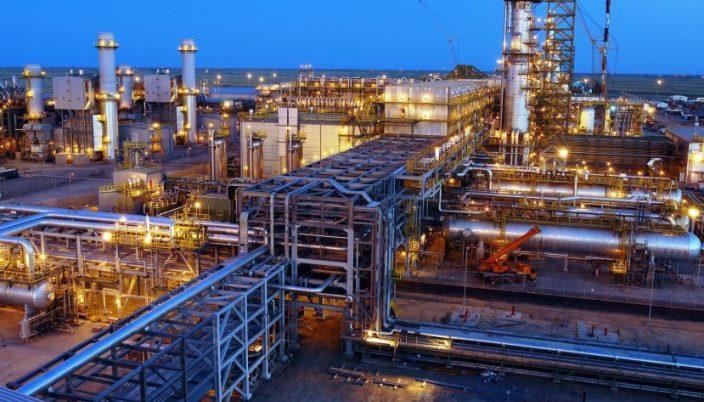
The facilities will primarily refinance bridge financing used to acquire assets from Norway’s Equinor ASA while providing capital for field development and production optimisation across Chappal’s Nigerian operations. The transaction represents one of the largest reserve-based lending deals in West Africa this year, according to energy finance specialists.
“Achieving this outcome in a challenging global financing environment underscores the resilience of the company’s business and its credibility with international capital providers,” Chappal said in a statement Thursday.

The successful close follows what Chappal described as a “rigorous” due diligence process examining the technical quality of its reserves, legal standing, and operational track record. Reserve-based lending facilities, which are secured against proven oil and gas reserves, typically require extensive third-party verification of asset values and production forecasts.
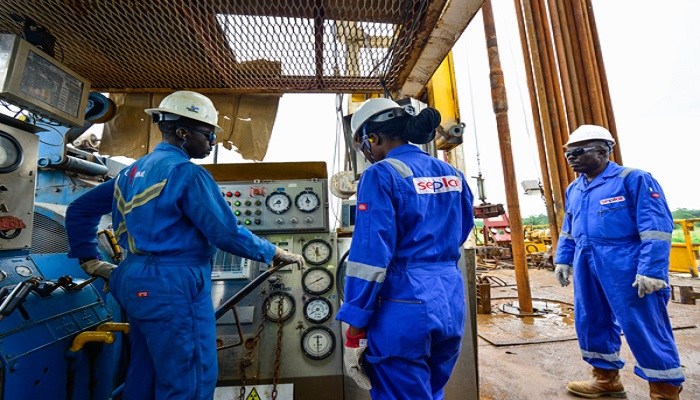
The financing marks a crucial milestone for Chappal as it seeks to establish itself among a new generation of African-led energy companies acquiring mature assets from international oil majors retreating from the continent. Companies, including Seplat Energy and Oando, have pursued similar strategies by acquiring fields divested by Shell, ExxonMobil, and others.
Chappal’s acquisition of Equinor’s Nigerian assets—a deal announced earlier this year—represents the company’s entry into oil production at scale. The Norwegian company has been among several international operators reducing their Nigerian footprint amid operational challenges, regulatory complexity, and energy transition pressures.
The transaction comes as African oil producers face a complicated financing landscape. While global banks increasingly restrict fossil fuel lending under environmental commitments, regional lenders and commodity traders have stepped in to fill the gap. The participation of both African and international institutions in Chappal’s facility suggests a continued appetite for well-structured deals backed by proven reserves.
“The facilities establish a stable, long-term financing structure aligned with the company’s reserve base and cash flow profile,” Chappal said, emphasising that the debt structure matches anticipated production revenues.

The company said it “continues to engage constructively with regulators, partners, and stakeholders” as it pursues what it described as its “next acquisition opportunity”. Nigerian oil sector transactions typically require approval from multiple government agencies, a process that can extend timelines significantly.
Chappal emphasised its commitment to “responsible operations, strong governance, and sustainable value creation, language that reflects growing investor focus on environmental, social and governance standards in African energy projects.
The company characterised the financing as “a strong endorsement” of its strategy, assets, and management team. Reserve-based lending facilities are typically reviewed semi-annually or annually, with borrowing capacity adjusted based on current reserve valuations and commodity price assumptions.