This headline is not one of those attempts to employ overt catchphrases that will generate as many clicks to fuel our media traffic as it has done so frequently in recent years, even by those who ought to know better. This is only a reiteration of the facts surrounding Nigeria’s growing drug problem. This has grown into a national emergency that calls for the involvement of everyone and cannot be handled by just one agency.
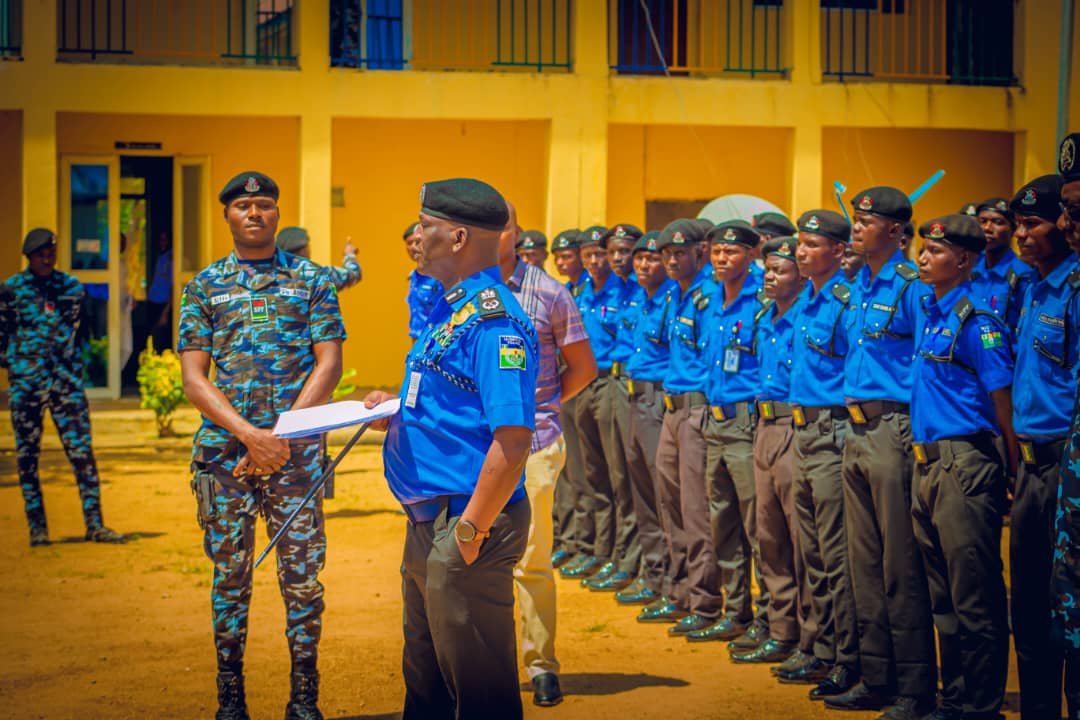
The National Drug Law Enforcement Agency’s (NDLEA) recent accomplishments in locating, pursuing, and dismantling the nation’s drug cartels have been widely reported in the media. The former high-flying head of the IGP Intelligence Response Team (IRT), Abba Kyari, deputy commissioner of police, and Afam Ukatu, chairman of the Mallinson Group of Companies, a business organisation whose pharmaceutical firm has been heavily implicated in the importation of illegal drugs like Tramadol, are among the high-profile arrests that have occurred.
With the NDLEA’s increased dedication to its mission, the struggle against drug cartels and barons appears to be bearing results. However, this is only one aspect of Nigeria’s drug problem.
Although some could contend that they should be free to pursue their interests, their actions run the risk of instilling in their young supporters the idea that substance abuse is ‘cool’ and indicative of affluence
The persistent use of drugs by a sizeable portion of the youth population and the clear and direct connection between drug use and banditry and the Boko Haram insurgency are Nigeria’s other drug-related issues. Numerous media outlets have extensively covered how terrorists and bandits have occasionally asked for drugs as part of ransom from the relatives of their victims.

There are also numerous accounts of women who were kidnapped and forced into forced marriages with drug-addled males by Boko Haram terrorists. These women have testified to the ordeal. These accounts demonstrate how drug abuse has been a major contributor to banditry and insurgency in Nigeria.
Our commentary for this year’s World Drug Day from the previous year focused, to a great extent, on the connection between drug use and the ongoing insurgency and banditry.
Similarly, a security meeting between President Muhammadu Buhari and Nigeria’s security chiefs on August 4, 2020, identified the high menace of drug abuse as a key factor responsible for the increased insecurity in the country, including armed banditry, kidnappings and rapes. The prevalent drugs, according to National Security Adviser, Babagana Monguno, include “codeine, opiums, cocaine, tramadol and pertamines and, of course, cannabis sativa,” saying, “tramadol has been the drug of choice for terrorists, bandits and kidnappers.”
Indeed, as much as 14.4 percent of Nigeria’s population or 14.3 million people between ages 15 and 64 had used drugs in 2017, according to a United Nations Office on Drugs and Crime (UNODC) report. This represents a prevalence rate of almost three times of the world average. Globally, about 269 million people, or 5.3 percent of the world population, used drugs in 2017 and over 35 million people suffer from drug use disorders.
The World Drug Report further noted that in the last 24 years cannabis potency had increased by as much as four times in parts of the world, even as the percentage of adolescents who perceived the drug as harmful fell by as much as 40 percent, despite evidence that cannabis use is associated with a variety of health and other harms, especially among regular long-term users. A worrisome trend, considering that there are 11 million cannabis users in Nigeria, a third of whom seemed to be regular users with a need for drug counselling.

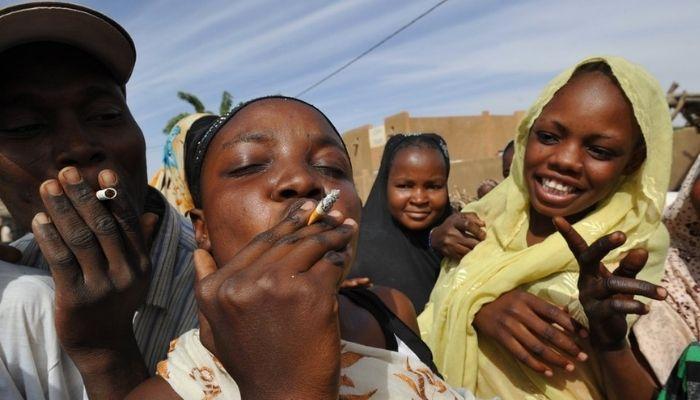
In the media and entertainment scenes, the number of musical lyrics and videos that encourage the country’s thriving drug culture has sharply increased. Hip-hop stars in Nigeria are frequently seen posing with pricey alcohol bottles or smoking marijuana and cigarettes in photos. Some of these images are utilised as cover art for their music, which is eventually shared online. Another sad testament to these are the stickers on Lagos Yellow buses, which are mostly showing off musicians smoking hemp.
Although some could contend that they should be free to pursue their interests, their actions run the risk of instilling in their young supporters the idea that substance abuse is ‘cool’ and indicative of affluence.
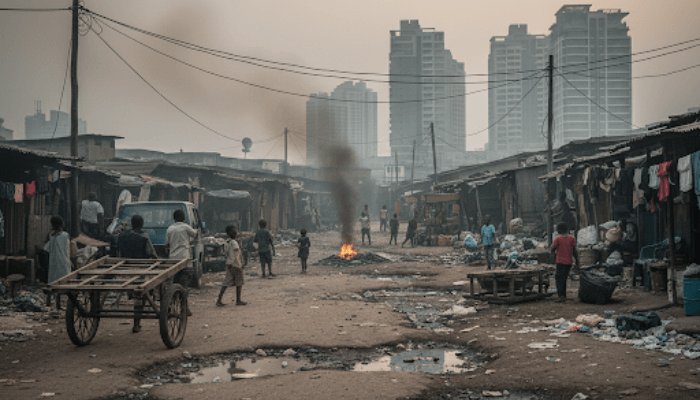
As drug abuse problem escalates, It is even more worrisome that Nigeria has very limited options for recovery from drug abuse-related issues. There are gaps in treatment and care for people with drug use disorders as around 40 percent of abusers who report problems do not have access to such services.
In Lagos, for instance, the Drug Addiction Unit of the Federal Neuro-Psychiatric Hospital, Yaba, can only handle 400 core cases of in-patients in a year and at least 20,800 out-patients yearly. Half of these patients suffer drug-related problems, implying that the hospital can only manage 0.5 percent of the South-West’s need to address psychiatric disorders if it were the only hospital in the zone.
Read also: Drug abuse among youths at alarming rate, NDLEA warns
This is why we agree that the war against drug abuse should not be left to NDLEA alone but requires synergy “with other law enforcement and sister agencies, stakeholders in civil society and the media for maximum impact.” Winning the war needs “the cooperation of all and sundry.” It is everyone’s fight. This year’s World Drug Day theme, “Care in Crises,” also ties in with driving a synergy of efforts.
According to UNODC, the theme highlights the need for governments, international organisations, civil society, and all stakeholders to take urgent action to protect people, including by strengthening drug use prevention and treatment, and by tackling illicit drug supply.
The war against drug abuse is one Nigeria must win given the high level of insecurity the country faces and the growing pervasiveness of drug culture among youths. But as Adelusi-Adeluyi, chairman, MTN Foundation, said in one of the events hosted by MTN Foundation to drive drug abuse, “it is a war that “calls for a multi-sector, multi-stakeholder approach.”
Indeed, as the UNODC puts it, “by working together, we can tackle the world drug problem.” Let all hands be on deck.
On all fronts and at all levels, action needs to be stepped up to stem the rising tide.
At BusinessDay, we remain committed to drive advocacy around drug use and continue to use our platforms to drive the message and support initiatives by civil society groups, including MTN Foundation and the Anti Substance Abuse Programme – MTN ASAP.
As the world celebrated this year’s World Drug Day, June 26, MTN Foundation has partnered NDLEA, UNDOC to host a national stakeholders conference on June 27, 2022, in Abuja to address the challenge of drug abuse and proffer collaborative solutions. Other partners are BusinessDay and Netng.
Happy World Drug Day. Let’s show care in crisis, remember it’s everyone’s fight.