



After a morning of hard truths and hopeful blueprints, from oil rigs to broadband cables, the CEO Forum hall settled into a quieter but no less profound moment: a fireside chat that reminded everyone that some of Nigeria’s greatest transformations have not come from grand government decrees alone, but from families, founders, and investors who bet long when everyone else ran for cover.
Originally billed to feature Haresh Ashwani, Managing Director for Tolaram Africa, the session instead drew unexpected power from the calm authority of Adesuwa Ladoja, the newly appointed Managing Director of the Lagos Free Zone – a leader who has lived every line of the Tolaram story and its improbable lesson in patient, purposeful resilience.
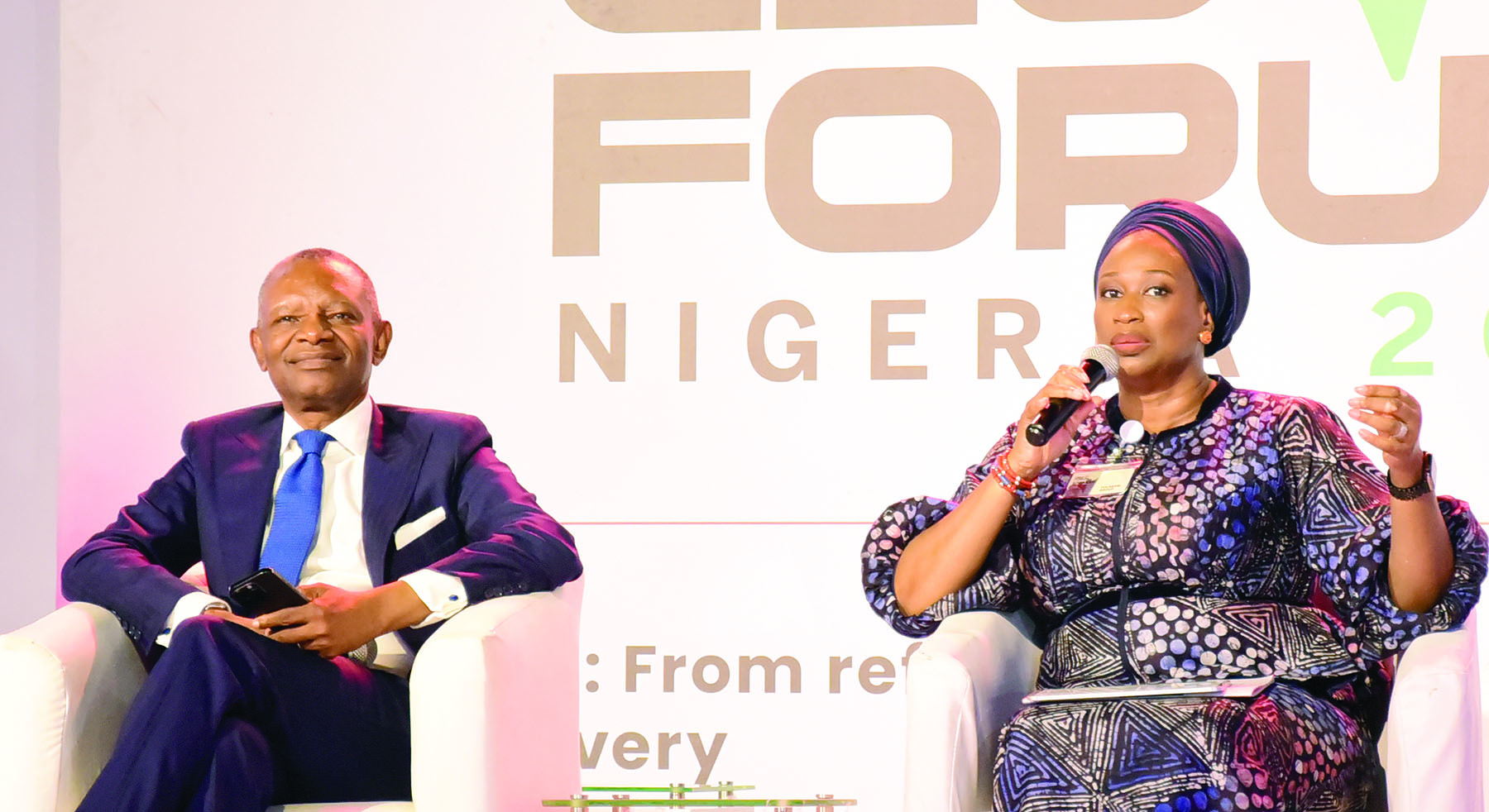
Seated across from Frank Aigbogun, BusinessDay publisher/CEO, the fireside chat peeled back the curtain on one of Africa’s quiet industrial giants, and how a business that once sold instant noodles became the unlikely force behind Nigeria’s first privately developed deep-sea port, and now, the surprise new owner of Guinness Nigeria.
The Humble Origins: A Family Bets on Nigeria

Adesuwa began by setting the scene, almost like a family fireside tale: Tolaram’s journey with Nigeria didn’t start with billion-dollar boardroom deals but in 1977, when the Vaswani family first arrived in Lagos. Their cargo? Not fancy products, but a vision for trade, textiles, and a belief that Africa’s largest market could become home.
When Nigeria’s economy stumbled through waves of currency crises, military coups, and sweeping indigenisation laws that forced many foreign investors to pack up and flee, Tolaram stayed. They dug deeper, diversified, and adapted.
From textiles, the company pivoted to fast-moving consumer goods (FMCG) and built Indomie noodles into a cultural icon, a staple in millions of Nigerian kitchens. They mastered the real lessons of doing business here: know your consumer, master your distribution, stay transparent with your partners, and treat every obstacle as proof that you’re in the right place, a market too big to ignore if you have the patience to ride its storms.
From Indomie to Infrastructure – Turning Pain into Ports
This same stubborn optimism would later fuel a decision that seemed to baffle many in boardrooms from Singapore to Lagos: Why would a noodle maker build a billion-dollar port?

Adesuwa’s answer was disarmingly clear and drew warm laughter from the hall:
“People told us: you were selling Indomie, now you want to build a port? But it’s because we sold Indomie, because we felt the same supply chain pain, that we knew the answer could not be left to the government alone. We had to build the solution ourselves.”
The logic was simple: moving millions of cartons of noodles across potholed roads, congested wharfs and clogged ports forced Tolaram to understand Nigeria’s broken logistics like no one else. So instead of waiting for infrastructure that never came, they invested in building it.
The Lekki Deep Sea Port, she explained, is not just concrete and cranes. It is a symbol of what can happen when foreign capital, local partnerships, and decades of trust collide to break through Nigeria’s worst habit of endless talk and stalled execution.
Aigbogun added his firsthand account: he described standing at the new port and watching raw materials roll off ships and reach nearby factories within 24 hours, a turnaround that once took weeks at Apapa. For manufacturers, that’s not just efficiency, it’s survival.
The Guinness Play: From Ports to Pints
Then came the next bold bet: Tolaram’s acquisition of Guinness Nigeria. Adesuwa explained that, while surprising the market, it was no accident. Over the decades, Tolaram had quietly built credibility with global partners, from Colgate to Kellogg’s to Indofoods. That trust, combined with proven operational discipline and vast distribution reach, made them the natural partner when Diageo sought to exit.
For Tolaram, it’s the same blueprint: see the structural gap, bet long, and bring global partners along. Where many multinationals lose faith in the market’s volatility, Tolaram doubles down on the consumer and the next generation of Nigerian middle-class demand.
The Real Secret: Purposeful Resilience
Frank pressed Adesuwa on the real engine behind this courage to keep betting on Nigeria through foreign exchange (FX) crashes, coups, and policy somersaults that send others running.
She answered with a quiet conviction that stilled the hall:
“It’s about having an owner’s mindset. At Tolaram, everyone is taught to treat each crisis as a test of purpose. Our core values, commitment, respect, and integrity, aren’t just slogans. They guide every deal, every setback, every negotiation. We are partners with Nigeria for the long haul.”
She described the 23-year odyssey to make the Lekki Port real, a journey as long as raising her twin daughters from toddlers to adults. The project required stitching together local, Asian, and global investors at the same boardroom table, administration after administration, regulator after regulator, community after community.
What made it possible, she stressed, was not just engineering brilliance or deep capital, but the patient work of trust-building.
“You can have the world’s best design, but if you can’t get your stakeholders to row in the same direction, you have nothing,” she said. “This port isn’t going anywhere. It will stand here for our children and grandchildren, long after we’re gone.”
The Government’s View: A Nation Resetting Itself
The fireside transitioned to a keynote address delivered on behalf of Minister of Finance Wale Edun by Sanyade Okoli, special adviser to the President on finance and the economy. She linked the Tolaram story to Nigeria’s macro pivot: a country moving from unsustainable distortions, like fuel and FX subsidies, to a new model of private sector–led growth.
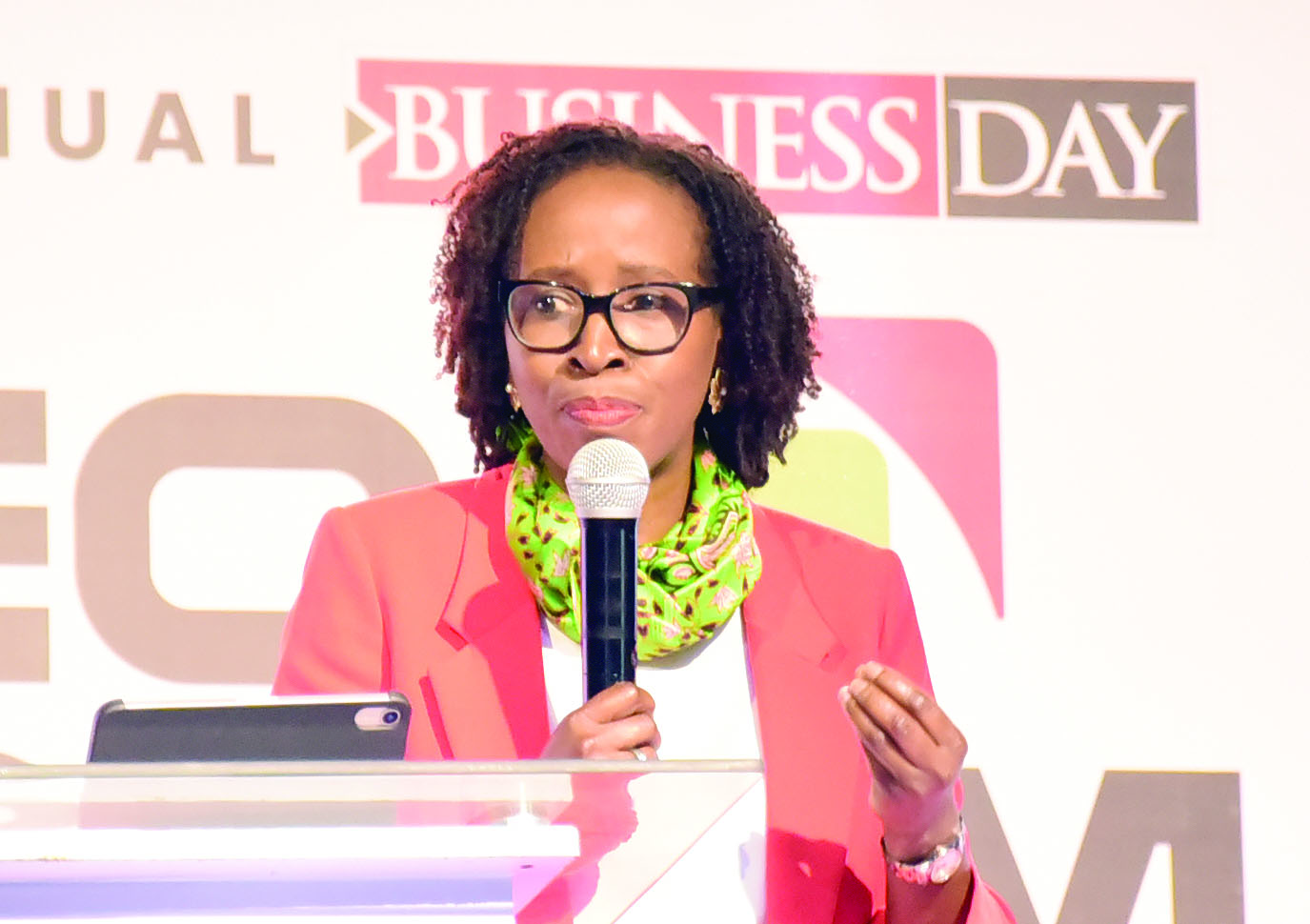
She laid out the government’s vision: restore macro stability, push gross domestic product (GDP) growth above 7% by 2027, tackle food security, energy reliability, and rebuild trust in the social contract through predictable taxes and tight fiscal discipline.
CEOs in Conversation: Stories of Scale, Grit and Real-World Playbooks
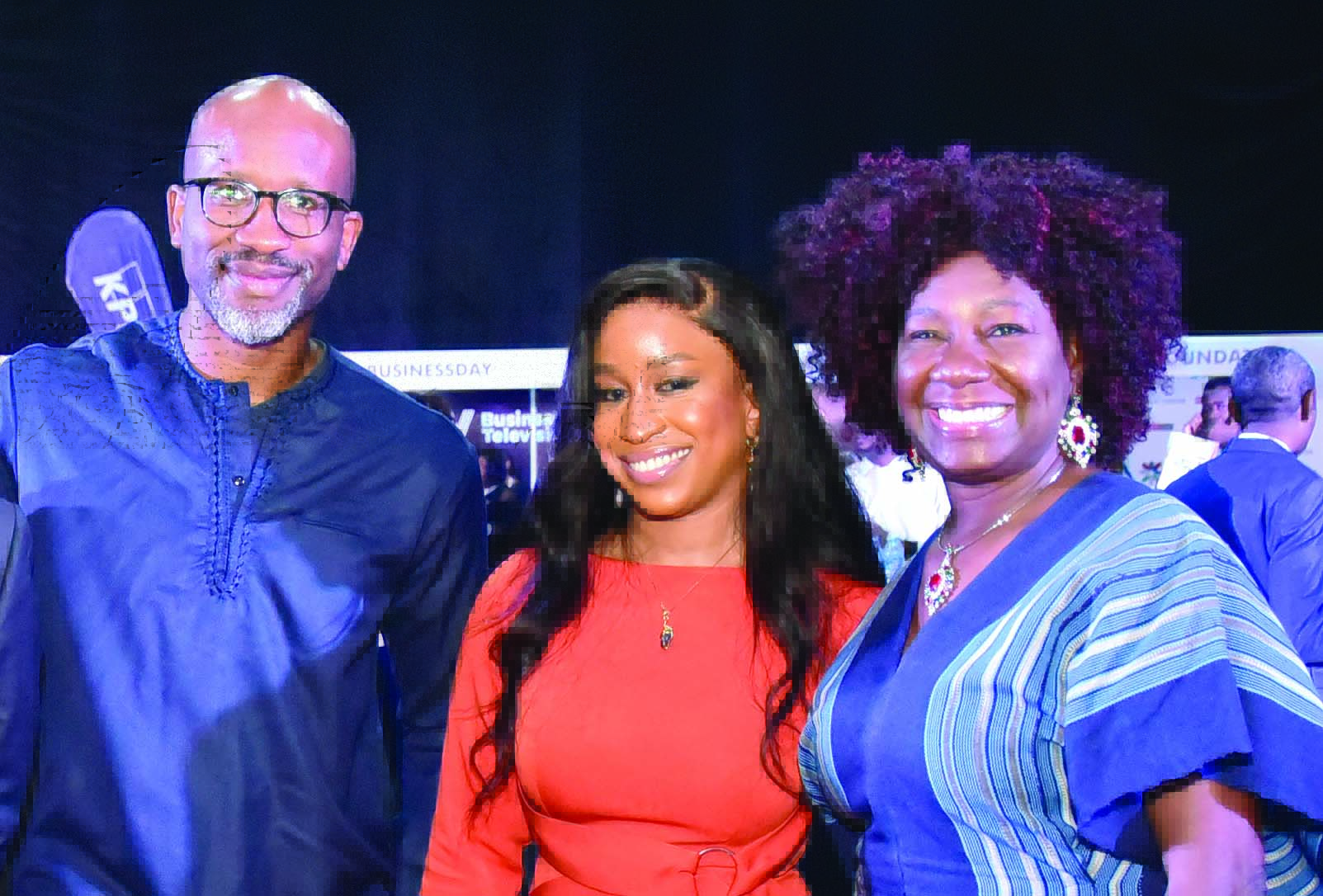
Moderator Dolapo Adeosun, partner, deal advisory at KPMG, then guided a CEO panel that showcased the same DNA: practical resilience, purposeful impact, and courage to scale in a volatile market.
Affiong Williams, founder of ReelFruit, shared how her dried fruit company survived repeated currency devaluations by diversifying beyond retail, adding industrial supply and exports to hedge shocks. Her message: Don’t wait for policy alone, design your business to withstand Nigeria’s inevitable cycles.
Kofo Akinkugbe, founder of SecureID, revealed how localising Nigeria’s payment cards industry, once 100% imported, turned her company into Africa’s leading smart card producer, now exporting to over 20 countries.
Her playbook: global certifications, relentless self-renewal, and bold pivots before the market demands them. She warned that SecureID once faced losing half its revenue to sudden policy shifts, and only survived because other verticals could carry the business.
Dalu Ajene, CEO of Standard Chartered Bank Nigeria, spoke plainly about why the bank stayed when others left. The bank restructured to focus on corporate and wealth segments where it has a clear edge. He urged founders to see banks not just as lenders but as strategic partners:
“If you’re transparent about your business, risks, and ambitions, we can tap multiple funding sources, capital markets, export credit agencies, donor funds, and equity providers to help you scale.”
Tayo Aduloju, CEO of the Nigerian Economic Summit Group (NESG), tied it all together: resilience is not just for companies, it’s a national imperative. He reminded the audience how NESG turned bold ideas into reality: from Nigeria’s Global System for Mobile Communications (GSM) revolution to pension reform, by holding the government and private sector to the same big dream, a competitive, diversified, export-driven economy.
Kashifu Inuwa Abdullahi, director-general of the National Information Technology Development Agency (NITDA), closed with a wake-up call for Nigeria’s digital future. He called on leaders to embrace emerging tech, especially AI, as co-founders, not threats. And he underscored that smart, co-created regulation is Nigeria’s only chance to compete globally.
The Blueprint for Builders
So what’s the real takeaway for Nigeria’s next generation of builders? The room heard it clearly:
✅ Don’t just react – shape the future with government.
✅ Diversify markets, revenue streams, and partners.
✅ Embed a culture that outlasts leadership changes.
✅ Benchmark ‘Made in Nigeria’ to the world’s best.
✅ Be bold enough to build where others flee.
✅ Stay patient. Think in decades, not just quarters.
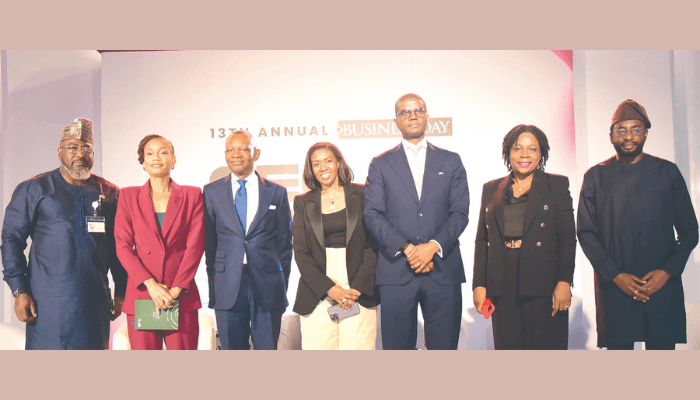
As the applause rose and the leaders gathered for a final group photo, the closing moment captured more than just faces. It captured a promise: that Nigeria’s future won’t be built by outsiders or overnight fixes. It will be written by those who stay, with grit, trust, and the audacity to see opportunity in crisis.
This is the real story of Tolaram, SecureID, ReelFruit, Standard Chartered, NESG and every quiet builder betting long on Nigeria: From instant noodles to deep-sea ports, and beyond.
This is the first part of the third instalment of a three-part publication, designed to tell the story and communicate the outcomes from BusinessDay’s CEO Forum 2025.





