In Nigeria, the annual budget often sparks heated debates, accusations, and widespread public frustration. From the removal of fuel subsidy to rising food prices, increased taxes, and cuts in social spending, government budget decisions have a direct impact on the daily lives of citizens. Yet, despite this impact, many Nigerians feel disconnected from the budget process itself. This raises a critical question: are budget controversies the result of a government that is not transparent and inclusive enough, or citizens who lack interest and understanding of how the budget works?
The Nigerian budget process is constitutionally structured and follows a formal cycle: preparation by the Executive, approval by the National Assembly, implementation by ministries, departments and agencies of government (MDAs), oversight by legislative bodies and then back to preparation by the Executive. In theory, this process allows room for public participation through budget hearings, policy consultations, and media briefings. In practice however, these opportunities are often limited, poorly publicized and inaccessible to the average citizen. Budget documents are often lengthy, technical and written in language that assumes economic, accounting or legal expertise. For the “man on the street,” the budget is reduced to newspaper headlines about trillions of naira, deficit financing and vague promises of development.
What does the average Nigerian actually know about the budget? For most citizens, the budget is not understood as a policy document, but through its effects: the price of petrol, electricity tariffs, transport fares, school fees, and hospital bills. When inflation rises or public services deteriorate or when there are security challenges, the budget becomes a source of anger rather than understanding and interrogation. Many Nigerians are unaware of how funds are allocated across sectors, how borrowing affects future spending, or why certain subsidies are removed. This knowledge gap is not necessarily due to laziness or indifference, but the everyday struggle to secure income, food and basic services. In a country where many people are focused on daily income and basic needs, engaging with complex fiscal documents is a luxury few can afford.
That said, citizens are not entirely blameless. Public interest in the budget process often peaks only when hardship becomes severe, yet there are concrete ways citizens can engage more consistently and sustainably. Civil society organizations, professional associations, labour unions and community groups can attend public budget hearings, demand simplified budget summaries and track projects in their localities. At the subnational level, several state governments conduct citizen budget engagements where citizens can interact directly with budget officials, contribute to what they feel are priorities and ask questions about allocations. Some states also carry out needs assessments and town hall meetings during which MDAs consult communities on specific aspects of budget planning and implementation, such as health facilities, schools or road projects. When citizens participate in these processes, even imperfectly, they help shape outcomes and strengthen accountability. Many Nigerians also distrust government institutions, believing that participation will not change outcomes due to corruption or political interests. While this skepticism is understandable, sustained disengagement reduces public pressure on leaders to be more accountable. Civic apathy, over time, becomes self-reinforcing; the less citizens participate, the easier it becomes for government actors to exclude them from meaningful decision-making.

On the government’s side, openness, transparency and inclusion remain a severe challenge. Nigeria has made some progress, such as the improved public access to budget information: budget proposals, approved budgets, and budget performance reports are now published online by the Budget Office and the Ministry of Finance. Nigeria also participates in international assessments such as the Open Budget Survey, which has encouraged reforms aimed at making fiscal information more accessible to the public. Budget implementation, however, is particularly opaque; citizens rarely see clear reports showing how approved funds translate into completed projects in their communities. Delays, abandoned projects, and frequent budget line item insertion scandals further erode public trust. When citizens cannot trace how public money is spent, controversy becomes inevitable.
The Federal Government, in particular, can do more to institutionalize citizens engagement. Members of the Senate and House of Representatives could hold more structured and regular constituency budget forums, explaining budget priorities and gathering feedback before and after budget approval. The Ministry of Finance and the Ministry of Budget and Economic Planning could also organize virtual budget discussions with citizen representatives across the geopolitical zones, coordinated through their zonal offices. Feedback from such sessions should be formally acknowledged and subsequently shown how it was part of the policy review or amendment process. These engagements would not only improve understanding but also signal that citizen input is valued beyond symbolic consultations.
The truth, therefore, may lie somewhere in the middle. The government has not done enough to simplify the budget process, communicate clearly, or genuinely involve citizens throughout the budget cycle. At the same time, citizens need to move beyond reactive criticism and develop a sustained interest in how public funds are planned, allocated and spent. Democracy functions best when citizens are informed participants, not just affected observers. As John Curran said in 1790: “The price of democracy is eternal vigilance”.
Bridging this gap requires deliberate effort from both sides. The government must prioritize transparency, produce citizen-friendly budget reports, and strengthen feedback mechanisms at the federal, states and local levels. Schools, media, and civil society organizations should expand civic education around budgeting and public finance, translating complex concepts into everyday language. Citizens, in turn, must recognize that the budget is not just a “government document” but a social contract that shapes their economic reality.
In conclusion, budget controversies in Nigeria are not simply a case of government failure or citizen apathy. They reflect a broken relationship marked by poor communication, limited trust, and weak civic engagement. Fixing this relationship is essential not only for better budgets but for better governance and improved quality of life for Nigerians.

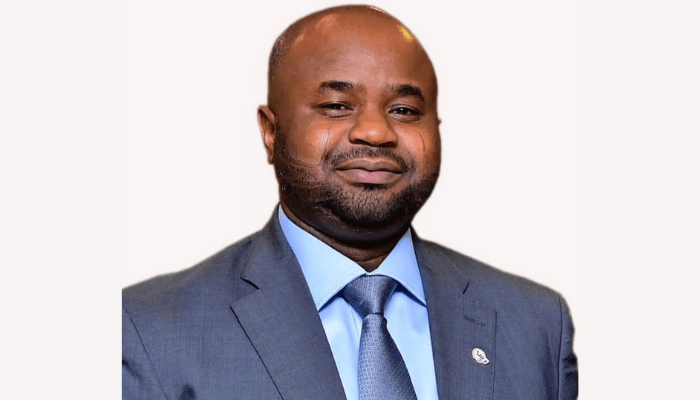
Andrew Orlando Oaikhena is the Stakeholder Manager at BudgIT