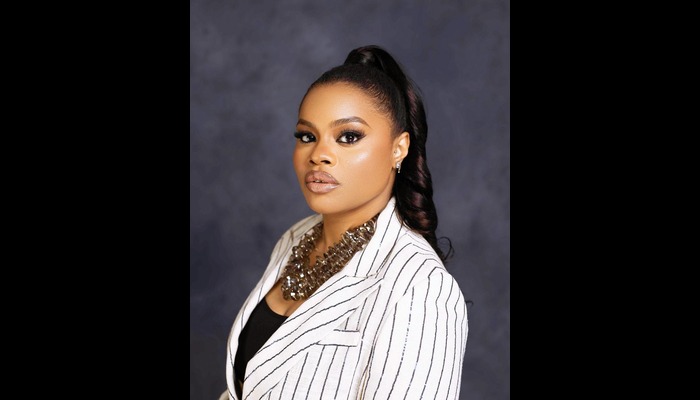
Eyesan Toritseju is a Lagos-based strategist and cultural commentator. In his writing, especially through his column, Cosmopolitan Nigeria, he examines how African societies confront the legacies of their past while reimagining identity, influence, and progress in the present.
On a weekend afternoon in Lagos, you might find a corner of the city transformed, an abandoned warehouse turned into a pop-up studio, where teenagers balance tripods on broken stools and film skits between generator roars. Nearby, a thrifted sunglasses vendor models his own stock for TikTok. Across the continent, the scene repeats in different textures: in Nairobi, it’s fashion; in Accra, soundscapes; in Kigali, short films and animations with global polish. Young Africans are not waiting to be discovered, they are defining what is cool, shareable, and global.
You hear it in the sound of Afrobeats, now echoing from Seoul to São Paulo. You see it in the resurgence of Ankara in Paris catwalks and Instagram reels. You feel it in the slang, in the memes, in the millions of micro-creations traveling farther than state policy ever could. If the twenty-first century has a rhythm, it’s coming from the bass of african drums.
Yet, beneath the music and motion lies an unnerving paradox.

For all their cultural omnipresence, young Africans remain politically peripheral. They move culture, but not legislation. Their slang travels, but their votes barely move the needle at home. Their ideas trend, but rarely make it into policy. They’ve mastered attention, but remain locked out of authority. Loud in culture. Muted in governance.
It’s a strange type of invisibility, one that coexists with global fame.
Perhaps it’s easier that way. Culture is safer than critique. Governments can feature young creators on stages and in tourism reels while stalling university funding, dodging police reform, or barring independent candidacies. There’s a way in which youth are celebrated precisely because they pose no real structural threat, yet. The very system that marginalizes their voices gladly monetizes their rhythm.
We often talk about soft power as if it’s enough, as if being globally beloved compensates for being locally silenced. However, cultural influence without structural or governmental access is a mirage. A meme may trend, but it won’t rewrite procurement laws. A viral dance won’t fix housing policy. The joy is real, yes, but it risks becoming a distraction, a kind of ambient celebration that soothes without solving.
This is not to diminish what youth have built. Quite the opposite. To build cultural capital from the ruins of post-colonial dysfunction is a kind of genius. But it begs a question: can the same generation remixing soundscapes in their bedrooms also rewire a bureaucracy? Can the energy of the streets reach the chambers of state?

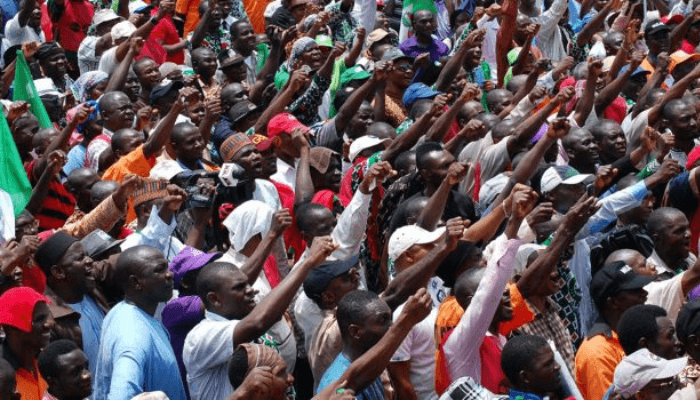
Historically, youth in Africa have never been passive. They led the anti-colonial charge. They marched in Soweto. They built the backbone of independence movements. More recently, they mobilized End SARS in Nigeria and led the street-level logistics of Sudan’s revolution. But what often follows is a bitter fatigue. Movements flare and fade. Protests raise consciousness but rarely sustain consequence.
Somewhere between the slogans and the statutes, energy leaks. Governance requires repetition, not just rebellion. It asks for technocrats, not just trendsetters. And herein lies the tragedy: the same political systems that fail youth are often too fragile to absorb their reform.
Part of the challenge is structural. Youth-led political parties are rare, and when they do emerge, they struggle against entrenched power, archaic legal thresholds, and deep pockets. Age limits, bureaucratic hurdles, and cultural gatekeeping all conspire to keep young Africans “the leaders of tomorrow,” a tomorrow that keeps being rescheduled.
However, part of the challenge is also conceptual. We rarely imagine youth as credible governors. We cast them as inspiration or aesthetic, never as administrators of a complex public trust. Even in our storytelling, youth are disruptors, not designers. Yet, perhaps that’s what they should be: architects of new political aesthetics, fluent not only in hashtags but in handshakes, not only in slogans but in statutes.
To get there, we need to stop romanticising their energy and start investing in their capacity. Not in the abstract sense, “empower the youth”: but in tangible mechanisms. Mock parliaments. Civic fellowships. Shadow cabinets that mirror real governments. Policy labs within universities. Townhall residencies for young artists and comedians to reimagine state messaging. We need not just to listen to youth, but to listen with them, co-authoring the grammar of reform.
Equally vital are intergenerational alliances. Not the token mentorships that adorn donor reports, but authentic, messy, trust-building collaborations between the old and the emerging. If the elders own the playbook and the youth own the moment, perhaps together they can negotiate a new script.
The ultimate project isn’t to dress youth in the garments of old politics but to allow them to design a different cut altogether, tailored to a generation raised on complexity and creativity. A system that reflects their rhythm, not just repackages their rage.
For now, Africa’s youth remain global vibe-makers, tapping out joy and resilience in defiance of failed states and failing systems. But the continent cannot dance its way into dignity. Sooner or later, the vibes must find its seat at the table.
We often talk about soft power as if it’s a kind of sovereignty, something symbolic that can stand in for the real thing. However, soft power without structural influence is fluff. Culture carries weight, but without civic scaffolding, it floats: beautiful, unanchored, and ultimately disposable.
To mistake visibility for power is one of modernity’s most seductive illusions.
Africa’s youth are not short on political awareness; they are short on political traction. Their critiques are sharp, but their options are blunt. Many have tried marching, protesting, and even voting. But in response, they’ve often encountered tear gas, rigged outcomes, or a system so calcified it rebuffs innovation like an immune system rejects a transplant.
And so, many turn elsewhere, to art, to entrepreneurship, to migration. The creative hustle becomes not just an outlet, but a shield. If the system won’t change, perhaps you can create a world in parallel: an internet community, a startup, a sound. Something outside the state. Something that doesn’t require waiting for elders to retire.
But the state remains. And eventually, it comes knocking.
Even for the lucky ones, it shows up as policies you can’t shape. As infrastructure, you still rely on that doesn’t work. As visas denied, accolades notwithstanding. As grants, you can’t access without connections. As silence from ministries that repost your work but won’t return your calls. And in the quiet moments, it shows up as the ache of limitation: the knowing that no matter how high you rise, you are still tethered to the state of the system.
So how do we bridge this gap, between cultural relevance and political irrelevance?
Not through platitudes. Not by inviting a rapper to a state banquet or featuring an influencer in an election campaign. The bridge must be built from both sides: systems that make space, and youth that step into it with more than slogans.
We need structures that don’t just “empower” youth, a word that implies charity, but that recognize them as co-owners of the civic project. Youth quotas that aren’t symbolic. Fellowships that lead to real appointments. Party systems that aren’t gerontocracies in disguise. Education that teaches not just obedience, but civic design.
And on the other side, a new imagination of leadership, where the same skills used to build followings can be used to build frameworks, coalitions, and laws. Where spectacle deepens into structure. This is not easy work. It is not glamorous work. But it is necessary. Because a generation that can build empires from content deserves more than being content to survive.
We are witnessing the soft power of African youth change the global mood. But moods shift. Vibes fade. What matters is what remains after the algorithm changes. What endures when the trend moves on.
Will this be a generation that simply entertained the world, or one that reimagined its corner of it?
We must resist the comfort of detachment. The same ingenuity that fuels their digital empires must be applied to civic architecture. We need youth who not only go viral but go deep—into budgets, bylaws, community boards. Who understand that governance isn’t always glamorous, but it is most transformative. That it requires not just critique but craft.
The tools they’ve mastered: storytelling, mobilization, brand-building, aren’t just relevant; they are the very foundation needed to reimagine governance. There’s a generation on this continent that knows how to build followings in hours. Imagine if we matched that with the patience to build institutions over years. If we treated statecraft not as a relic for the old, but as a medium for the bold. If vibe-makers also became rule-shapers.
The shift will not happen all at once. But it begins by asking: what if the same creativity that made the world dance to our sound could also help it listen to our voice, not just in culture, but in council chambers, courtrooms, and cabinet meetings?
This generation has already shown it can move the world’s attention. The question now is whether it can move its own governments.
Because while the world bops to our sound, history is asking: will we build something lasting with the moment? To do that, we will need more than likes and streams. We’ll need frameworks, platforms, and coalitions. We’ll need the courage to organise offline as fiercely as we trend online. We’ll need creators who can also be conveners, and influencers who understand the slow burn of institutional change.
And most importantly, we’ll need to stop waiting for permission to lead.
The answer depends on whether we see culture not just as entertainment, but as evidence of our capacity, our clarity, and our claim to true power.