|
Getting your Trinity Audio player ready...
|
Brewers of beer and some local communities in Nigeria are resorting to either self-generation or independent power plants to meet their electricity needs, a trend that shows how much the sector struggles to generate, transmit and distribute power to customers.
READ ALSO: How rising electricity costs present opportunity for renewable energy sources
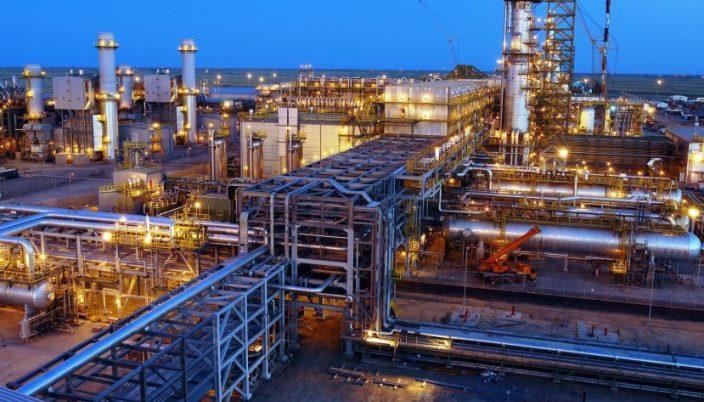
The $250 million International Breweries plant in Sagamu, Ogun State is powered by independent six generators of 2, 000 kilo-volt-ampere (kVA) each, totalling 12, 000 kVA, powered by liquefied natural gas (LNG), BusinessDay’s investigation shows. This is despite the fact that LNG has to be brought in trucks from Port Harcourt as there are no supply pipelines. The LNG comes in liquid form and the company converts it into the gaseous state before it can be used in the generators.
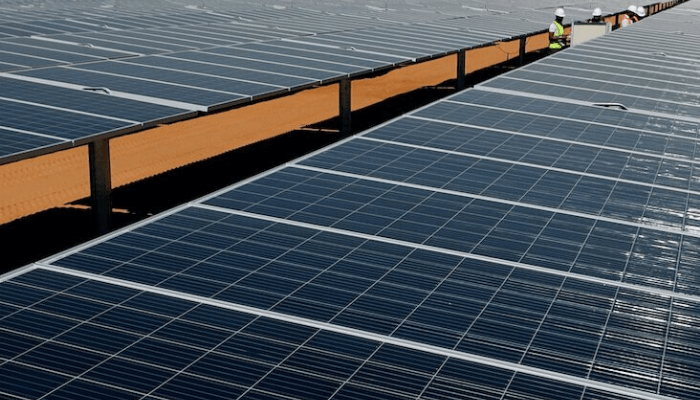
Nigerian Breweries, the pioneer and largest brewing company in Nigeria is also introducing a solar panel innovation in its Ibadan factory expected to provide 1 megawatt (MW) of power. The Ibadan factory is also off-grid. Since it was established in 1982 it has run on diesel and compressed natural gas and progressively with solar. Solar will provide about 30 percent of the electricity.

“We are delighted to be a pioneer in the adoption of solar energy in Nigeria. The solar plant will help power our world-class brewery in Ibadan, enabling us to deliver on commitments under our ‘Brewing a Better World’ initiatives and supporting Heineken’s global ‘Drop the C’ programme for renewable energy,” Jordi Borrut Bel, managing director and chief executive of Nigerian Breweries Plc. said in an earlier report.
At the weekend, a joint 47 community development associations (CDAs) in the Ibeshe Kingdom, Ikorodu, Lagos State signed a memorandum of understanding (MoU) with Wavelength Limited, providers of integrated power solutions for an independent power plant (IPP).
“We are tired of paying outrageous amounts of money that come with estimated billing without light,” Oba Richard Abayomi Ogunsanya, the Olubeshe of Ibeshe Kingdom said in an interview. “Sometimes we do not have light for weeks. Anytime the distribution company gives light for a day or two, next thing they invade the communities for indiscriminate disconnections. This is why we want an independent power plant.”
Three of the Nigerian Electricity Regulatory Commission’s (NERC) policy directives have provided the framework for these developments. The Captive Power Generation (REGULATION NO: NERC-R-0108), the Embedded Power Generation and the Eligible Customer Regulation all backed by Section 96(1) of the Electric Power Sector Reform Act 2005 (Act No.6 of 2005).
Signs that the electricity distribution companies (DisCos) are choking abound. On October 9, 2019, BusinessDay reported that NERC had served notice to eight Power Distribution companies (DisCos) of its intention to cancel their licenses for failure to meet their obligated remittance to the market.

“The Commission has reasonable cause to believe that the DisCos listed below have breached the provisions of the Electric Power Sector Reform Act, terms and conditions of their respective distribution licences and the 2016 – 2018 Minor Review of the Multi-Year Tariff Order (MYTO) and Minor Remittance Order for the year 2019,” the regulator said.
The affected DisCos include the Abuja Electricity Distribution Company Plc, Benin Electricity Distribution Company Plc, Enugu Electricity Distribution Company Plc, and Ikeja Electric Plc.
Others are Kaduna Electricity Distribution Company Plc, Kano Electricity Distribution Company Plc, Port Harcourt Electricity Distribution Company Plc, and Yola Electricity Distribution Company Plc.
Some of the DisCos are technically bankrupt. Restructuring the DisCos’ balance sheet will entail writing off at least half of their over N2 trillion exposure to the Nigerian Bulk Electricity Trading Company (NBET) and the Central Bank of Nigeria (CBN). The Federal government through NBET can convert the rest to convertible long-term debt. This will give the balance sheet a new lease of life to present to new investors.
Although as of December 2019 the Nigerian Electricity Regulatory Commission said six out of eight Power Distribution Companies have complied or substantially complied with the approved minimum remittance threshold in the Order for July to September 2019.