Africa is on the cusp of becoming the world’s next growth engine. The World Bank projects that by 2075, one out of every three people on the planet will be African, with the continent accounting for a major share of the global working-age population. This demographic shift holds immense promise for economic transformation, but only if countries can strengthen education, vocational training, and human capital development.
Nigeria, Africa’s most populous country, reflects both the opportunities and risks of this trend. With more than 60 percent of its citizens under the age of 25, the country has a vast pool of young people who could drive productivity and innovation. Yet, unemployment remains a persistent challenge. Data from the National Bureau of Statistics shows that youth joblessness rose to 5.3 percent in the first quarter of 2024, up from 5 percent the previous quarter.
At the same time, the World Bank highlights weaknesses in Nigeria’s education system, particularly its inability to deliver technical and vocational training that matches the needs of industries such as oil and gas, power, and manufacturing. The result is a workforce that struggles to meet local demand, let alone compete globally.
The equation is simple: when young people are trained, mentored, and equipped with practical skills, they become vital contributors to economic growth. Countries that invest in human capital, particularly vocational education, can transform their youthful demographics into a competitive advantage.

Public and Private Partnerships at Work
To address these gaps, both government and private organisations have introduced programs aimed at equipping Nigerians with industry-relevant skills. The Nigerian Content Development and Monitoring Board (NCDMB) has rolled out initiatives in oil and gas, while the National Youth Employment and Social Support Operation (NYESO) is working to expand vocational and entrepreneurial training opportunities for millions of young people.
Alongside these public efforts, private companies have also stepped in to bridge the skills divide. Among the most prominent is Dorman Long Engineering Limited (DLE), a provider of infrastructure and supply chain services to the oil and gas, power, telecommunications, and manufacturing sectors. The company has established itself not only as a key engineering solutions provider but also as a driver of vocational training and workforce development.
Through structured training schemes, mentorship, and technical exposure, Dorman Long has positioned itself at the forefront of Nigeria’s human capital development push. Its initiatives have been designed to close critical skills gaps, particularly in engineering and construction, while preparing a new generation of professionals for industry demands.
Training the Next Generation

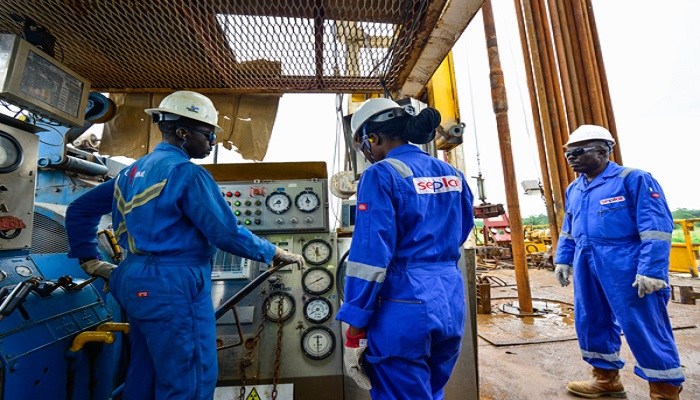
One example came in 2022, when Dorman Long trained 40 young people in Imo State in engineering and fabrication skills. Participants received both classroom instruction and practical exposure, enabling them to apply their learning in real-world settings. For many, the program provided a foundation for careers that would otherwise have been out of reach.
Dorman Long has also been a significant partner of the NCDMB. Back in 2017, the company oversaw the graduation of 83 trainees from the Board’s specialized welding program. Welding remains a highly sought-after skill in industries such as oil and gas and construction. By equipping participants with advanced expertise, the initiative improved their employability while advancing Nigeria’s broader goal of strengthening local content and reducing reliance on foreign contractors.
Expanding Partnerships for Greater Impact
Most recently, in 2025, Dorman Long deepened its role in human capital development by signing a landmark Memorandum of Understanding (MoU) with the Nigerian Society of Engineers (NSE). The agreement established a framework for advancing engineering practice through professional training, mentorship, and consultancy services.
Under the MoU, a graduate training program was created to help fresh engineering graduates transition from academic learning to professional practice. By providing mentorship and hands-on exposure within Dorman Long’s operations, the initiative ensures that graduates develop the technical competence needed to excel in Nigeria’s demanding engineering landscape.
The program also includes continuing professional development opportunities for practicing engineers, reinforcing the company’s commitment to raising standards across the profession.
“At Dorman Long, we have always prioritised the development of young engineering talent. Many of our past trainees now hold leadership roles within our organisation and across the industry. This MoU with NSE provides a structured pathway to deepen our impact through training, mentorship, and professional consultancy, creating benefits that will last for years to come,” Chris Ijeli, Dorman Long’s managing director and CEO said.
Building a Workforce for the Future
As Nigeria grapples with high unemployment and the challenge of aligning education with industry demand, initiatives like those championed by Dorman Long are increasingly vital. By focusing on vocational skills, mentorship, and local content development, the company is not only shaping individual careers but also contributing to national economic resilience.
In the broader African context, where millions of young people will soon enter the labour force, the lesson is clear: investment in human capital is the most reliable pathway to shared prosperity. With targeted programs and partnerships, Nigeria and Africa at large can harness their demographic strength to fuel growth, innovation, and competitiveness in the global economy.
Dorman Long’s efforts illustrate what is possible when the private sector moves beyond profit-making to actively invest in people. In doing so, it is helping to turn Nigeria’s demographic challenge into a once-in-a-generation opportunity.