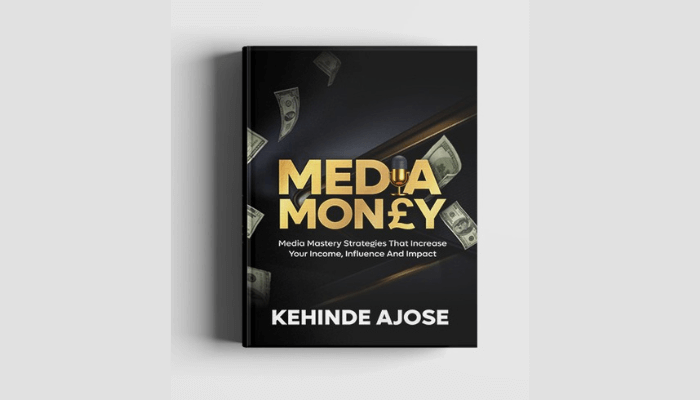
In today’s media-saturated world, where attention is currency, Kehinde Ajose’s Media Money: Media Mastery Strategies arrives as a timely and indispensable guide. At just 155 pages and seven chapters, the book is concise yet powerful — a no-nonsense toolkit for entrepreneurs, experts, and creatives looking to leverage media visibility for influence, credibility, and ultimately, income.
Ajose, a visibility strategist and media entrepreneur, writes with the authority of someone who has not only studied the media landscape but has also thrived within it. His blend of practical expertise and motivational insights offers a proven roadmap to transform from an unknown entity to a visible powerhouse.
The book kicks off with a striking statement: “People don’t necessarily buy from the best — they buy from the most visible.” This sets the stage for Chapter One, The Power of Media, where Ajose illustrates why being in the public eye can revolutionize your business and career.
In Chapter Two, Crafting Your Unique Media Story, readers are encouraged to step into the spotlight by overcoming self-doubt and embracing their own narrative. Ajose directly addresses imposter syndrome, urging readers to “own their story” and boldly claim their visibility.

Chapter Three, Elevating Your Brand in the Media Spotlight, delves into the art of positioning and storytelling. Ajose uncovers how to make your brand not only seen but also revered by media platforms, transforming it into something newsworthy.
The fourth chapter, Interviewing the Elites: Lessons from 10 Years of High-Profile Conversations, is a standout. Here, Ajose shares invaluable lessons from his extensive experience with prominent media figures. His advice on how to conduct interviews that leave a lasting impression is both insightful and actionable.
In Chapter Five, Content Creation Secrets for Income and Influence, Ajose reveals how to turn content creation into a revenue stream. By blending creativity with strategy, he demonstrates how anyone can generate income and expand their influence through well-crafted content.
Chapter Six, The Art of Monetizing Your Media Presence, bridges the gap between visibility and financial success. Ajose shows how media appearances can translate into lucrative opportunities like speaking gigs, product sales, and business partnerships, effectively proving that visibility — when leveraged correctly — equals profit.
The final chapter, Show Me My Media Money: A Template and Acronym for Making Media Money, is a hands-on guide that consolidates the principles laid out throughout the book. Here, Ajose offers a practical template and a clear acronym for readers to follow as they take actionable steps toward monetizing their media presence.

One of the book’s most impressive features is its empowering tone. It reads like advice from a trusted mentor, making complex concepts accessible to all. Another strength is its simplicity — no need for prior PR expertise to grasp and implement the strategies.
However, the book could benefit from a broader focus. While it centers primarily on the Nigerian media landscape, those seeking global visibility might crave more international context. Additionally, the inclusion of visuals or templates, such as sample pitches or media checklists, would have enhanced the book’s practicality.
Despite these minor gaps, Media Moneydelivers on its promise. It demystifies the media, boosts readers’ confidence, and provides clear, actionable tools to become seen and heard. Whether you’re just starting out or ready to elevate your brand, this book deserves a spot on your shelf — and on your strategy table.