Nigerian banking stocks index plunged by 12.53 percent on Tuesday, a day after the Coronavirus outbreak hit the global oil price to its lowest.
Consequently, shares of industry giants such as Zenith Bank, Guaranty, FBNH, UBA, and STANBIC nosedived by 9.69%, 9.93%, 9.28%, 9.60%, and 10%, respectively on Tuesday.
Given the current global macro-economic disruptions, caused by Coronavirus, EFG Hermes, an Egyptian investment bank, is advising investors to reduce their weighting of Nigerian banks.
“We would be comfortable recommending holding GTB at current valuations given its long USD position, higher-than-sector average Net Interest Margin (NIMs), strong Capital Adequacy Ratio (CAR), and higher quality asset book,” a report by Simon Kitchen, head of Macro-Strategy at EFG Hermes Research, Mohamad Al Hajj, Vice President – Head of MENA Strategy, EFG Hermes Research , and Mohamed Abu Basha, Director – Head of Macroeconomic Analysis, EFG Hermes, said.

Nigeria is probably the most vulnerable from a macro-economic standpoint as the decline in oil price combined with potentially lower exports (of oil) could tip the country back into recession.
Nigeria recovered from a five-quarter recession in the second quarter of 2017.
Weaker GDP growth could make it more difficult for Nigerian banks to meet their Loan-to-Deposit Ratio (LDR) targets resulting in greater CRR deposit requirements, which would be a negative for NIMs, the firm stated.
Nigeria’s Gross Domestic Product (GDP) expands by 2.55 percent in fourth (Q4) 2019 from 1.91 percent growth in 2018.
The Central Bank of Nigeria (CBN) in October 2019 raised the LDR of banks to 65 percent, after the September 30 deadline given to the lenders to meet its 60 percent directive. However, the regulator has extended the deadline of the 65 percent LDR to March 31, 2020.

However, “as we have consistently seen since 2016, the CBN is likely to provide asset quality forbearance and thus the cost of risk could remain under control,” the analysts said.
On the positive side, the firm said devaluation could even be positive for Nigerian banks as most of them are long USD.
In the report, the firm thinks Nigerian names will be more under pressure vs East Africa or Morocco. This is simply due to the fact that there are more negative variables in Nigeria vs other economies. “We would expect Dangote Cement to be under intense pressure (margin erosion to sustain) if the economic impact was large. In Nigeria, we think Lafarge Africa will ride it out better as its financials are recovering from a low base”.
At the foreign exchange market, the nation’s currency on Tuesday fell to N367 per dollar, from N360 a day before, as consumers rush to buy in expectation of devaluation of the naira.
Investigations show that in Apapa Lagos, the dollar was sold at N367 at the end of the trading on Tuesday, after selling at N365/$ at about 1.00 pm on the same day.
At Festac area of Lagos, the naira traded at the rate of N363 per dollar on Tuesday, which represents 0.83 percent compared with N360/$ sold on the previous day at the black market.
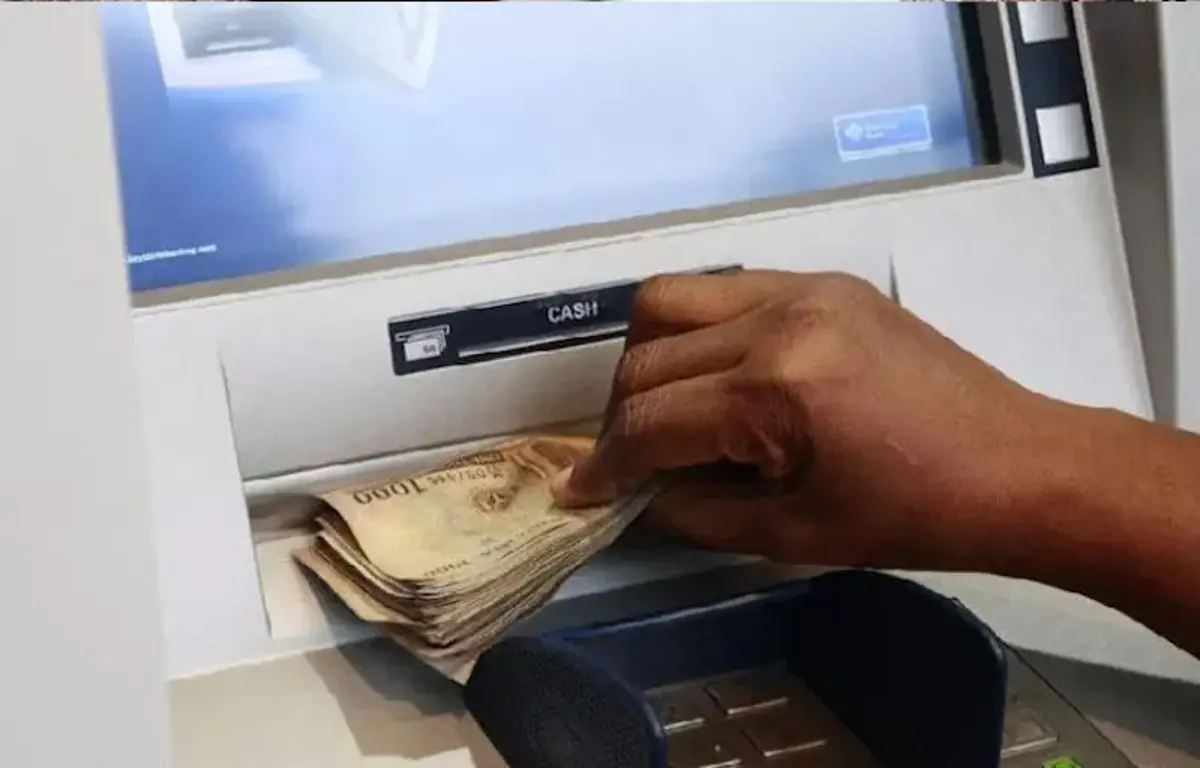
“People are withdrawing naira from the bank to buy dollar because they said naira is going to lose value,” one of the black market operators told BusinessDay.
Oil price (Brent Crude) has fallen to as low as $35 per barrel since the outbreak of coronavirus in China.