…As FG seeks unified legal framework for digital growth
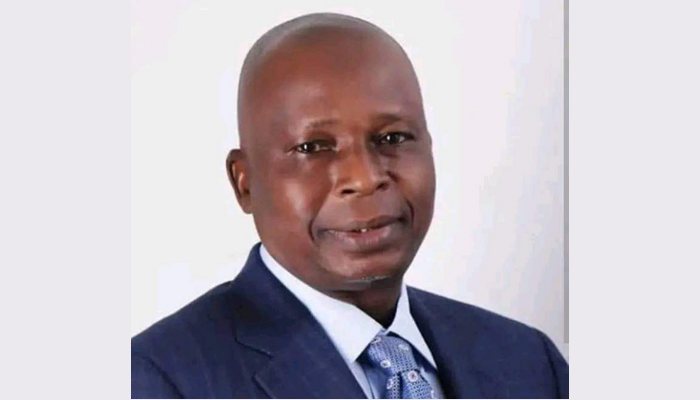
The attorney-general of the federation and minister of Justice, Mr. Lateef Fagbemi (SAN), has vowed a tough crackdown on individuals and groups sabotaging Nigeria’s telecommunications infrastructure, describing such acts as economic sabotage that threaten the country’s digital and economic aspirations.
Fagbemi, who made the vow at the inaugural Annual Workshop for Attorneys-General on Emerging Issues in the Communications Sector, in Lagos on Wednesday, said the destruction of communications infrastructure, especially in conflict-prone areas, has become a national concern requiring urgent and coordinated legal response.
“We must ensure that those who willfully destroy or vandalise infrastructure are held accountable. As the saying goes, offenders must be brought to book or the book brought to them,” he declared to a room of legal and regulatory stakeholders.

Read also: Telecoms $76bn investment reels from sabotage despite Tinubu’s security pledge
Fagbemi described the communications sector as one of Nigeria’s most dynamic and rapidly evolving, citing NCC data showing over 220 million active voice subscriptions and broadband penetration above 32 percent as of Q1 2025. He stressed that such connectivity powers services critical to national development, including digital education, financial inclusion, and e-governance.
However, the minister lamented that persistent infrastructure sabotage, regulatory overlaps, inconsistent policies, and multiple tax burdens across federal, state, and local governments continue to hamper progress in the sector.
“These challenges are not just technical; they are legal. We must create and enforce a clear, harmonised framework that enables innovation while protecting the interests of consumers and investors alike,” he said.
Fagbemi particularly referenced the 2023 vandalisation of telecom stations in Kano as an example of how such incidents can roll back digital gains and destabilise connected communities.

To address these threats, the minister called for closer collaboration between the executive, legislature, and judiciary to improve enforcement of infrastructure protection laws. He urged state governments to emulate positive policy shifts, citing Anambra State’s unified right-of-way policy in 2023, which led to a 13 percent increase in fibre optic expansion in just six months.
He proposed the creation of a federal–state Regulatory Coordination Forum and joint enforcement mechanisms to ensure that legal protections are not just theoretical, but practical and effective across Nigeria’s vast territory.
Fagbemi also tasked Attorneys-General across the country to advise their state governments on constitutionally sound digital policies and to promote alternative dispute resolution frameworks in the telecom space.
Fagbemi therefore urged the legal community to rise to the occasion, stating that, “Good governance is not just about laws on paper. It is about implementation, and implementation depends on the integrity, resolve, and collaboration of all of us seated here today.”
The workshop tagged: “Building and Driving Synergy in Regulating Communications for the Digital Transformation of Nigeria” is expected to become an annual platform for legal-regulatory collaboration, with the ultimate goal of building a secure, inclusive, and innovation-driven digital economy.
Read also: NCC pushes solar adoption to ease telecoms’ energy cost
In his welcome address, the executive vice chairman and CEO of the NCC, Dr. Aminu Maida, echoed similar concerns, stressing that fragmented regulations, inconsistent taxation, and poor legal coordination continue to deter investment and create inefficiencies in the communications sector.
“The designation of communications infrastructure as Critical National Information Infrastructure under the 2024 Executive Order gives us new legal footing, but operationalising it requires synergy with legal officers like yourselves,” Maida told the attorneys-general.
He added that future regulatory attention would focus on fast-evolving frontiers such as AI governance, cybersecurity, and digital resilience.