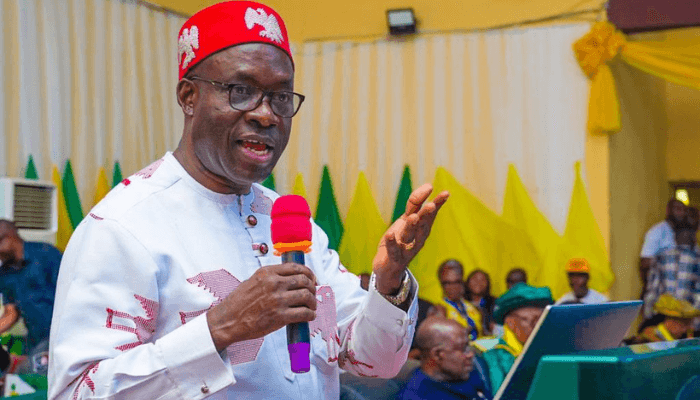
Anambra State Governor Chukwuma Charles Soludo officially restored the name of Club Road in Awka to its historic name, Abakaliki Street, reversing a 2018 decision made under former Governor Willie Obiano. The reversion was publicly announced in late July 2025 and was widely celebrated, especially by members of the Ebonyi community living in Anambra, who saw the move as correcting a historical mistake and protecting an important shared heritage.
Governor Soludo emphasised that the original name of Abakaliki Street, which dates back to 1974, is a vital symbol of history and unity between the people of Anambra and Ebonyi States. He dismissed the previous justification that the name was changed because there were clubs in the area, calling that reasoning unconvincing and stressing the importance of preserving historical identities as they reflect the collective memory and cultural ties of the community.
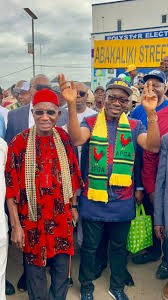
The governor also highlighted that Abakaliki Street is one of the busiest and most well-known streets in Awka. In addition to restoring its name, the road was reconstructed and asphalted during his administration to reflect its significance correctly. The announcement and the related infrastructure improvements demonstrated a commitment to honour tradition while enhancing the city’s urban environment.

Ebonyi indigenes in Anambra State warmly embraced the change. They pledged ongoing support for Governor Soludo, seeing the restoration as a sign of his good governance and respect for cultural heritage.
This restoration has been described as both a correction of a past error and a reinforcement of solidarity among Igbo people across state lines, reinforcing the message that unity and respect for history should prevail in matters of public naming.
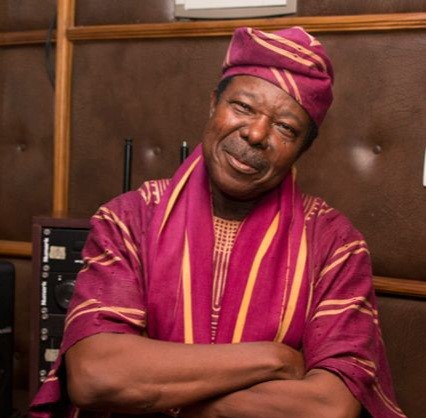
Residents denounce the renaming of Ilaje Street to King Sunny Ade Street

Street renaming in Lagos local councils continued to provoke reactions beyond that of the Charly Boy Bus Stop.
Residents of the Ilaje community in Bariga, Lagos State, vehemently condemned the recent renaming of Ilaje Street to King Sunny Ade Street. They organised protests and submitted petitions demanding the immediate reinstatement of the original name, arguing that the renaming was unconstitutional and carried out without proper consultation or consent from the local legislative council.
Key points from the protests and community reaction include:
• The community leaders, including traditional ruler High Chief Kayode Ayetiwa (Baale of Ilaje/Bariga), highlighted the historical importance of Ilaje Road, which has borne that name since 1948 and is deeply connected to the community’s identity and heritage.
• Protesters emphasised that their opposition is not against honouring King Sunny Ade, the celebrated musician, but about protecting their own ancestral and communal identity.
• The renaming was executed by the outgoing chairman of Bariga LCDA, David Kolade Alabi, just prior to the end of his tenure, triggering anger and accusations of marginalising the Ilaje people politically.
• Community leaders characterised the renaming as part of a broader marginalisation effort, warning it could lead to adverse political consequences for the ruling party in future elections.
• Prominent voices, including human rights lawyer Femi Falana, condemned the renaming trend as unconstitutional, emphasising that street naming powers lie with local government councils, not individual officials, and insisting that historical names should be maintained.
• Former Lagos Governor Babatunde Fashola also called for respect towards historical legacies and emphasised the importance of understanding the stories behind street names.
• The Ilaje community’s protest featured placards that declared “Ilaje Road, our history, our identity” and included promises to persist until the original name is restored.
In summary, the Ilaje community views the renaming of their street as an erasure of their cultural heritage and an unauthorised political act, resulting in widespread opposition and calls for the reversal of the decision by relevant authorities.
King Sunny Ade
Benin Catholics denounce Oshiomole’s claim on the Hospital and Nursing School
Benin City’s Catholic Archdiocese has strongly denounced Senator Adams Oshiomhole’s recent claims regarding the ownership and funding of St. Philomena Catholic Hospital and its College of Nursing Sciences. The controversy arose after Oshiomhole, during a live television interview on July 26, 2025, asserted that the College of Nursing was “built, equipped, and owned, and funded by Edo State Government hundred per cent.”
In response, the Archdiocese held a press conference at its Social Communications Secretariat on July 30, 2025, where Rev. Fr. Jude Orah, the Director of Social Communications, categorically rejected Oshiomhole’s statements as “entirely false and misleading.” He clarified that:
• St. Philomena Catholic Hospital was founded in 1947 by the Catholic Church, and its College of Nursing Sciences has always been owned, funded, and sustained by the Church, along with donations from benefactors and well-meaning Nigerians, not by the government.
• The Archdiocese stressed the importance of truth and historical accuracy, urging the public to ignore Oshiomhole’s remarks, which they described as an attempt to distort facts and undermine the Church’s contributions to education and healthcare in the region.
• Fr. Orah emphasised the responsibility of public figures to speak with integrity, quoting scripture to underline the need for truth in public discourse.
The Archdiocese’s forceful rebuttal reflects concerns about misinformation and the importance of acknowledging the role of faith-based institutions in Nigeria’s social development. The Church also called for a retraction from Senator Oshiomhole to set the record straight, reaffirming that St. Philomena’s remains a Catholic-founded and managed institution.
Trending online this week
This week’s viral topics on Nigerian social media prominently include:
• The ongoing nursing strike and health sector challenges in Nigeria remain a hot topic with broad public engagement and government talks to resolve issues. The health sector crisis dominates news discussions and social commentary.
• Discussions around the government’s communication strategies, mainly linked to President Bola Tinubu’s administration, and calls for improved messaging on northern Nigeria issues. This has sparked varied reactions across platforms.
• Economic debates on key policies, such as Dangote’s plan for direct petrol distribution to end users, have triggered discussions related to job losses and market reforms.
• Trending music and entertainment content continue to drive viral engagement, with songs like LoLo, Asake’s hits, and others dominating TikTok videos and hashtags.
• Broader civic issues, including regional diplomatic tensions involving Nigerians abroad (e.g., conduct of Nigerians in Ghana) are also capturing attention.
In addition, TikTok trends growing strongly in 2025 emphasise themes of self-growth, wellness (#hopecore, #SelfCare), niche community cultures (#BookTok, #FoodTok), and popular slang-based content (#delulu) that resonate deeply with Nigerian youth online.