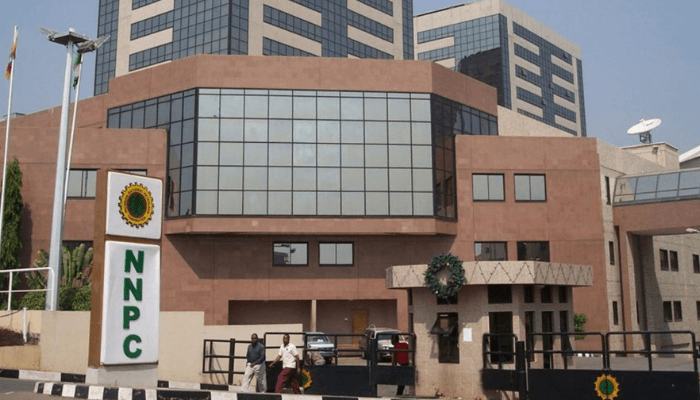
Though the revised Petroleum Industry Bill currently under consideration by lawmakers prescribes retention of 100 percent stake in the Nigerian National Petroleum Corporation, by the Federal Government, but a commercial state-owned corporation will deliver better value for the country.
The PIB under review by lawmakers proposes turning the NNPC into a limited liability company. The government will determine the number and nominal value of the shares to be allotted, which shall form the initial paid-up share capital of NNPC Limited and will subscribe and pay cash for the shares.
The Ministry of Finance will own the shares on behalf of the government. The shares would not be transferable including by way of sale, assignment, mortgage, or pledge unless approved by the Government, the PIB states.
However, it also prescribes that the NNPC Limited and other parties to joint operating agreements in respect of upstream petroleum operations, may on a voluntary basis restructure their joint operating agreement as a joint venture carried out by way of a limited liability company, each referred to as an “incorporated joint venture company” (IJV), based on the principles established in the Second Schedule to this Act.

Read Also: How local scientific innovations can boost food security
So while the government may have opened the door to the commercialisation of the NNPC in the future, making this a reality would open up the corporation to new opportunities, make it more efficient and profitable.
The success of national oil companies such as Saudi Aramco and Equinor provides a template upon which the NNPC should be restructured.
Saudi Arabia in April said it was seeking to sell one per cent of its national oil corporation Aramco and raise about $20bn to finance its ambitious plan to create jobs and to diversify away from crude oil. This follows an initial public offer in 2019 which attracted worldwide interest.
Oil prices are surging again and the Saudis are positioning intelligently to take full advantage of rising valuations in energy assets and the kingdom is clearly pivoting away from fossil fuel while Nigeria dithers

Tightly controlled by the Nigerian government since it was established in 1977, the NNPC has become a tool for political patronage to cronies, with opaque transactions helping fuel corruption.
The current bill in the national assembly unlike its previous version did not set a target date for selling shares and specifics on how of a stake would be sold.
Some analysts say the proposed law sets the stage for future privatisation, but as the world moves away from fossil fuel, the country benefits if it is delivered now rather than later.
The government plans to set up the NNPC LTD to fund itself and remove some of its regulatory functions but many say this is insufficient to realise a fully commercial company.
Some analysts say actions like separating ownership from management, ceding management to experts, an independent board, and giving them key performance indicators will improve NNPC’s fortunes.
“The government already has businesses it has significant stakes, if it runs the NNPC this way, it will remove undue political influence and improve performance,” says Ayodele Oni, an energy lawyer, and partner at Bloomfield law firm.
Oil companies are reaping huge benefits from their going private. A few weeks ago, some oil companies released their 2021 first-quarter results and reported earnings similar to pre-pandemic levels.
Saudi Arabia’s national oil company, Saudi Aramco reported net income for the first quarter this year of $21 billion, up 24 percent year-on-year, and free cash flow of $18.3 billion.