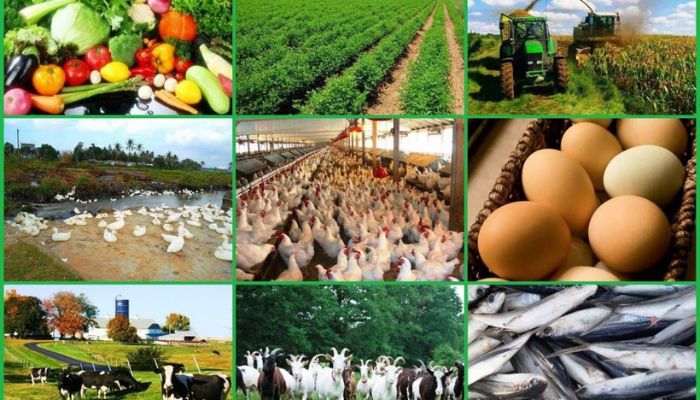
Several trends shaped Nigeria’s agricultural sector in 2025. These trends stirred the food sector in different directions over the course of the year.
First is the high input costs. While food items crashed on the back of the import waiver policy, farmers were unable to cover rising input costs.
While Nigerians rejoiced, farmers counted losses caused by rising cost of farm inputs such as herbicides and fertilisers.
For many farmers, the crash in food prices affected their selling prices, undoing the gains they could have made on their commodities.
The surge in input prices strained farmers’ finances and forced them to cut down on production, while abandoning the cultivation of certain crops such as maize and rice, experts told BusinessDay.

They argue that the impact of this decision by farmers will be evident in 2026, when scarcity might kick in due to farmers’ refusal to cultivate key staples like maize.
Abiodun Olorundero, managing partner at Prasinos Farm, said that an alternative to massive food imports would have been for the federal government to subsidise farm inputs luch as fertilisers.
“The best approach could have been to ensure that they (federal government) bring down input costs,” he said.
Read also: Stakeholders call for investment, innovation in Nigeria’s agriculture sector
Surging imports

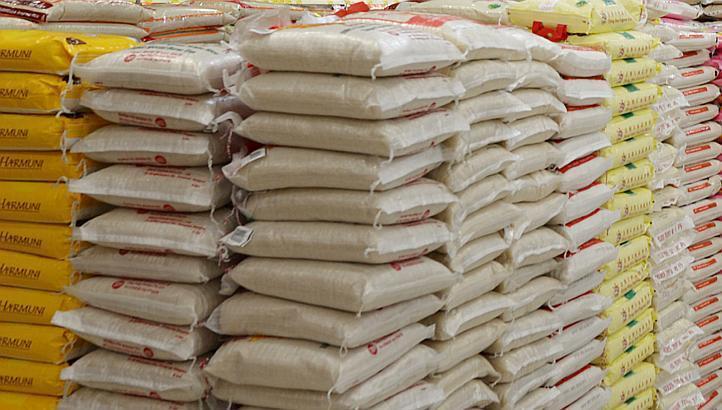
After the federal government announced in July 2024 that certain food staples would be exempted from paying import duty, prices of commodities like rice and maize dropped.
This policy crashed prices of staple food items across the country. Many more Nigerians could afford to feed their families conveniently. Several others returned to food commodities they had previously abandoned because of purchasing power.
Commodities like rice, beans, maize, and garri dropped significantly. Local rice prices dropped to an average of N65,000, from a high of N90,000. Prices of foreign parboiled rice also declined to an average of N62,000, down from N92,000.
The National Bureau of Statistics (NBS) data reveal that Nigeria spent N3.32 trillion importing food from other countries in nine months of 2025 (Jan – Sep).
But they came at a huge cost to farmers. “Farmers ran at a loss. Some of them started planting vegetables because they became more profitable,” said Olorundero.
Insecurity
At the beginning of the year, agricultural experts confirmed that there was a significant decline in banditry attacks, which had been one of the biggest challenges for Nigerian farmers. This made frightened farmers return to farming.
“Insecurity has tremendously reduced. We see farmers returning to farms,” Ibrahim Kabiru, former president of All Farmers Association of Nigeria, said in a January interview with this reporter.
But everything changed when fresh attacks by herdsmen in Benue State displaced farmers, rendering many homeless and making farmers afraid of going back to the farms.
These strategic attacks by bandits on rural communities in the North-West, South-West and Middle Belt disrupted food supply chain from rural communities to different markets.
More than 5000 people have been killed in Benue between 2023 and 2025, according to the Armed Conflict Location and Event data.
In many other states like Kwara, Zamfara, and Niger, kidnapping has become a new business that has stripped communities of skilled workers, including farmers.
Read also: NIRSAL guarantees record ₦100bn in agriculture lending
Climate change
Strong rainfall positively impacted the agric sector in 2025. Several food chains recorded good harvests as a result of consistent rainfall.
“It’s December and rain is still falling,” started Olorundero. “This shows that the weather was favourable this year.”
At the beginning of the year, AFEX, a commodity exchange platform, projected that favourable weather conditions, including strong rainfall, were likely to increase rice supply in Asia and India.
This projection played out as cashew farmers recorded one of their biggest harvests in years.
However, it also impacted the sector negatively. Torrential rainfall led to flooding that wiped out thousands of hectares of farmland in Nigeria.
Early projections by the Nigeria Hydrological Services Agency (NIHSA) did not protect farmers from the losses they bore. Lives and properties were lost. As a result, hundreds displaced from their homes.
In May, in the Mokwa flooding that occurred in Niger, a state known for producing rice and millet, farming communities were eroded, and the Mokwa bridge used for transporting food trucks was destroyed.
This destruction of critical infrastructure and more than 25,000 acres of paddy fields and croplands seriously affected regional food supply chains.