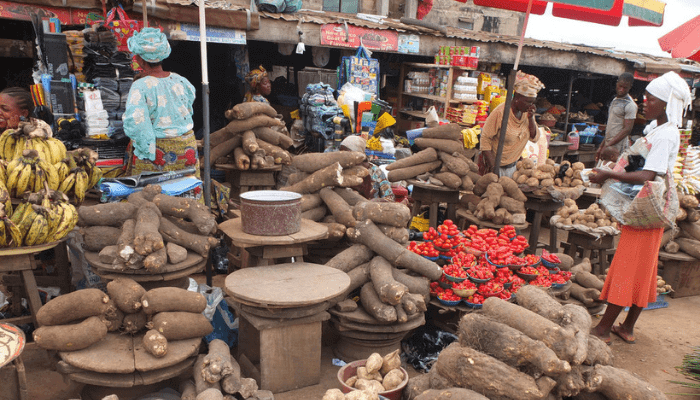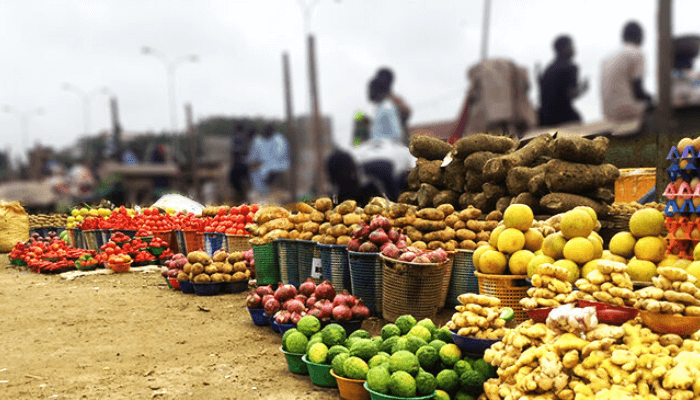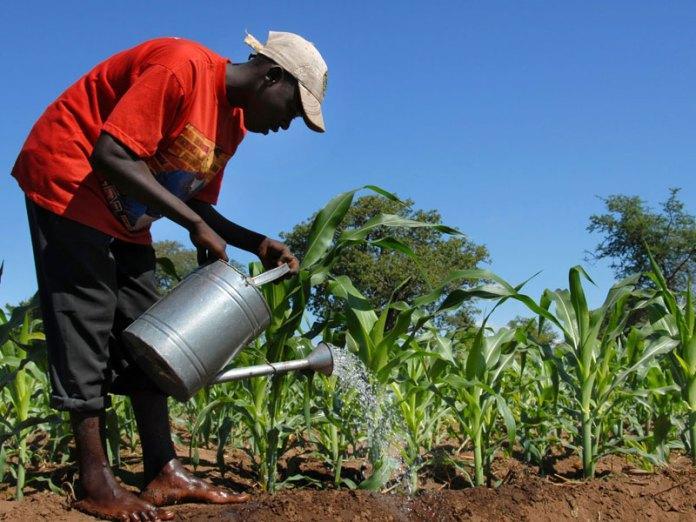
During this COVID-19 pandemic, it has become patently clear that food is an important resource that all people struggle for, and one that ensures the survival of humanity. As such, food security cannot be overemphasized more so knowing that 265 million people in the world could face food insecurity by the end of the year 2020 as estimated by that United Nations World Food Programme . The impact of restricted activity to control the pandemic has already begun to affect the food supply chain, from the labour available for production to reduced incomes that are affecting many people’s ability to afford food. The World Bank estimates that 40 to 60 million more people could be living in extreme poverty due to the on-going economic impacts of the COVID-19 pandemic .
As Hunger ravages, Nigeria with over 200 million people has over 50% of its population living in extremely poor and vulnerable conditions it is clear that the need for affordable and nutritious food is growing, and it is heightened at this time when many people are restricted to their homes.
Armed with this information, cyber-farmers are now springing up in Nigeria. They are seeing opportunities in this hunger pandemic and aware of the vulnerability of many who do not understand how the agribusiness sector works. There will be a rise in Ponzi Agriculture Investment Schemes (PAIS) which will adversely lead to financial and economic losses. It is therefore important to understand some key facts when seeking to invest in agriculture or agribusiness.
Read also: Impact of lockdown easing on Covid-19 numbers expected in 10-14days PTF
Potential investors must examine if the advertised returns on investments for any agricultural enterprise are realistic and achievable. They should enquire about how these returns are calculated: returns may be paid per produce cycle or are paid per annum using the approved SEC guidelines for crowd funding as found in their March 2nd, 2020 crowd funding rules of exposure.
When choosing a business to invest in, it is important to understand what kind of insurance premiums are being offered, whether farm or commodity. It will be necessary to relate with an insurance provider to verify details of the benefits and ardent implication of the premium cover used by the promoter of the investment vehicle.

Investors should establish what organisations these investment vehicles are partnered and what accreditations they hold; SEC licensed, NAFDAC. It is pertinent to have an insight about their partners such as; Extension Service Provider, Vendors for raw material supplies, and off-takers as it shows the integrity of the business from end-to-end. The off-takers are critical players in the value-chain as they provide and drive the revenue generation for which the ROI will be based.
Investments in primary agriculture are advisable; however intending investors should avoid committing to such investments without seeking counsel from experts. It is preferable, if possible, to invest in an already existing agribusiness seeking to scale up its operations or one looking to raise a second round of funds following start-up.
The key sectors to look out for when thinking of investments in the food sector during and post COVID-19 pandemic includes; Supply Chain (Dry and Wet Logistics, Park houses, Warehousing), Digital Marketplace, Research and Data Collection, Accreditations ( Global Good Agricultural Practice – G.A.P.) and Standards, and Agri-Tech. In addition, sectors such as commodity trading, post-harvest handling, and cold-chain logistics have been underutilized and present promising opportunities for profitable and meaningful investments.
The time to invest in agriculture is now, however be at alert of the presence of scammers. By asking the right questions and being attentive to the varied sectors in agribusiness that provide beneficial prospects for investment, the potential investor can make contributions to strengthen food production and accessibility in this period, made so uncertain by COVID-19.
Welcome to the agribusiness sector, where you can make money while impacting the lives of millions.