African leaders have placed reparative justice at the centre of debate at the 80th United Nations General Assembly, urging former colonial powers to confront their roles in slavery and colonialism. A coalition of Global South leaders used the platform to push for a formal UN framework to address historical injustices.
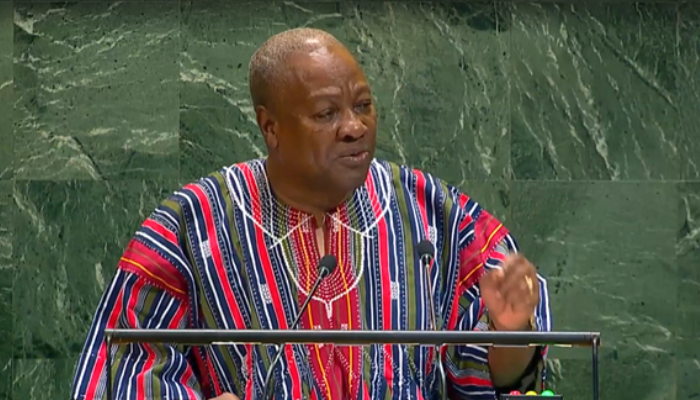
Ghana’s President John Dramani Mahama, speaking as the African Union’s Champion for Reparations, described the transatlantic slave trade as “the greatest crime against humanity.” He reminded delegates that more than 12.5 million Africans were forcibly transported to generate wealth for Western nations. “We must demand reparations for the enslavement of our people and the colonisation of our land that resulted in the theft of natural resources,” he said. Mahama also noted the precedent of Western governments paying compensation to former slave owners, not to the enslaved.
Central African Republic President Faustin Archange Touadera reinforced continental solidarity on the issue. “The era of Africa’s dependence is over,” he said, calling for relations based on “sovereignty, not subordination; partnership, not exploitation.” He criticised persistent inequality, highlighting poverty in Africa alongside wealth accumulation in the North.
From Latin America, Bolivian President Luis Alberto Arce Catacora proposed concrete mechanisms to advance reparations. He called for a dedicated UN commission covering “slavery, apartheid, genocide, and colonialism.” He outlined three pillars for such a framework: financial reparations, environmental restoration, and the return of stolen cultural property. Arce argued that those responsible for historical crimes should contribute “billions of dollars into a reparations fund” and urged joint action between the African Union and the Community of Latin American and Caribbean States.

Speakers expressed frustration at what they described as Western silence on the subject. They argued that former colonial powers have avoided substantive dialogue on reparations, despite growing calls from affected regions.
The coordinated stance by African and Latin American leaders at the General Assembly marks a significant step in the international campaign for reparative justice. It signals that pressure on former colonial powers is set to intensify within the UN system, with leaders insisting that acknowledgement and restitution are overdue.
The statements were delivered during the general debate of the 80th UN General Assembly session.