For Africa’s most populous country to drive sustainable and inclusive growth, it must address infrastructural bottlenecks, especially in its logistics sector, according to a new report by the Nigeria Institute of Transportation Technology and the African Centre for Supply Chain (ACSC).
The report says infrastructural deficit in the various modes of transporting goods and services has hindered sectoral performance and Gross Domestic Product (GDP) growth, particularly as demand for goods and regional trade agreements like the African Continental Free Trade Area (AfCFTA) intensify the need for improved logistics efficiency.
“As the largest economy in Africa, Nigeria depends on its logistics framework to enable the transportation of goods, services, and individuals throughout its varied regions and to global markets,” the report stated.
The report ‘The Value of Logistics to GDP in Nigeria’ showed that the sector is a critical driver of economic growth in Nigeria. In 2024, it contributed approximately 3.73 percent to the GDP, with total logistics costs amounting to N1,003.9 trillion.

Read also: ‘Nigeria needs more rapid economic growth to lift its people out of poverty’
“While the formal sector accounts for N535.5 billion (3.03 percent of GDP), the informal sector contributes N468.4 billion (0.70 percent of GDP), underscoring its significant but underreported economic role.
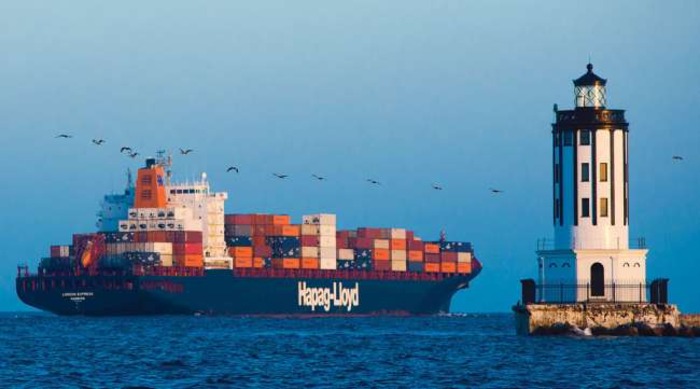
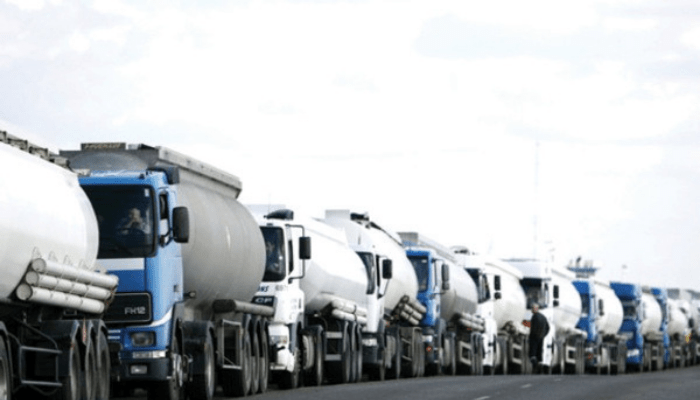
“Road transport dominates at N425.8 billion (2.39 percent of GDP), reflecting its centrality in supply chains, while formal rail and maritime sectors remain underdeveloped, contributing less than 0.33 percent of GDP combined,” the report stated.
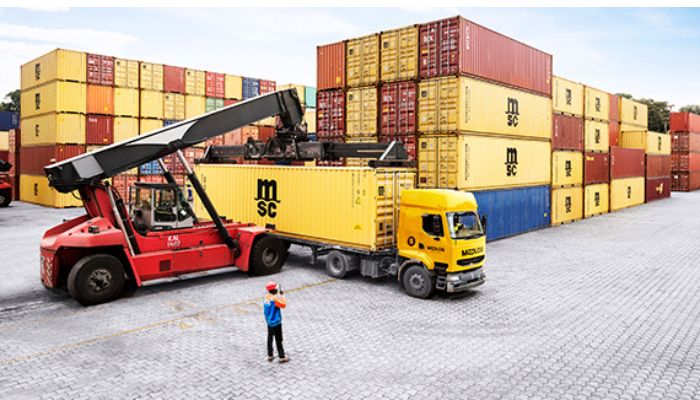
Despite its potential, the report stated that the sector faces persistent challenges, including inadequate infrastructure such as poor road networks, limited rail connectivity, port congestion, insufficient storage facilities, rising operational costs (up to 40 percent), and regulatory inefficiencies.
The logistics sector plays a large role in vital economic sectors such as agriculture, oil and gas, manufacturing, and retail in Nigeria.

An ACSC research showed that the logistics sector is crucial for the distribution of agricultural products to local and international markets and the competitiveness of Nigerian manufacturers in the global market.
It showed that it’s key for the movement of raw materials, finished goods, and personnel within the oil and gas sector, lowers costs, enhances logistics efficiency, and improves the competitive edge of Nigerian retailers in both local and international arenas.
The report further stated that by addressing these challenges through focused investments and policy reforms, the full potential of the logistics sector could be realised, thereby contributing to the nation’s economic development
Read also: World Bank sees poverty rising in Nigeria despite economic growth
The report also highlighted the discrepancies in GDP reporting, with informal sector activities often excluded from official calculations, and advocates for a revised GDP assessment methodology that incorporates informal logistics data.
It recommended solutions like targeted infrastructure investments, formalisation of informal operators, enhanced regulatory frameworks, and improved data collection to unlock the sector’s full potential.
“By addressing these inefficiencies, Nigeria can reduce logistics costs, enhance trade competitiveness, and achieve long-term economic resilience.
“With reforms, the logistics sector has the potential to grow its GDP contribution to 5–7 percent by 2030, creating jobs, reducing supply chain costs, and aligning with global sustainability goals,” the report stated while noting that this transformation would position logistics as a cornerstone of Nigeria’s economic growth and competitiveness.