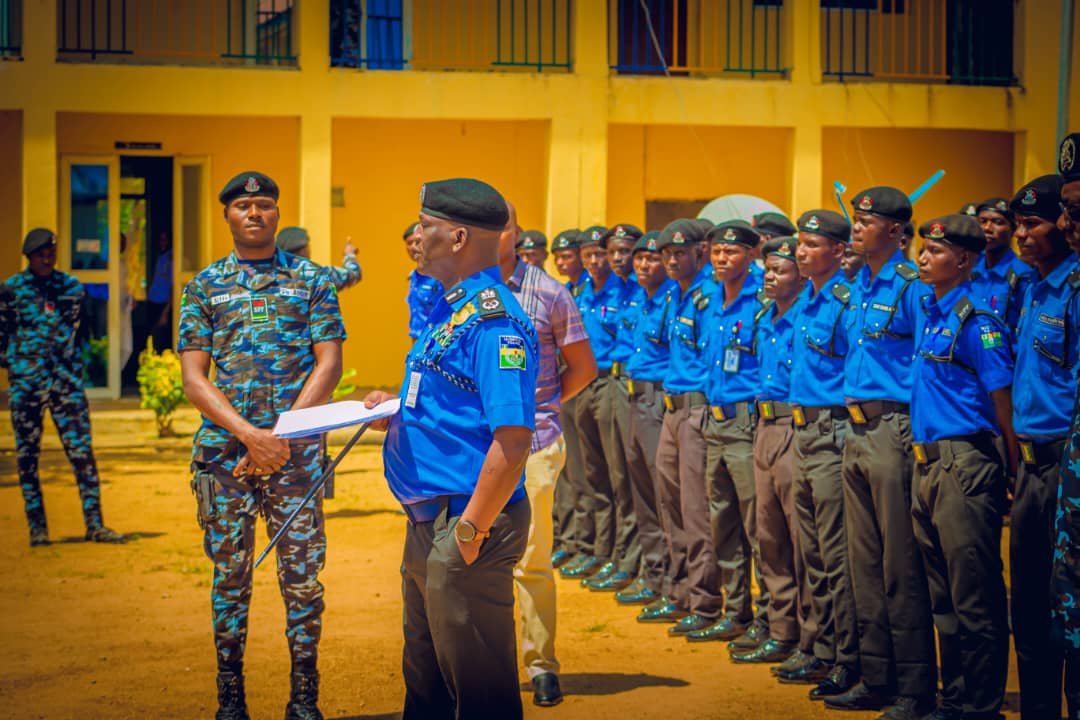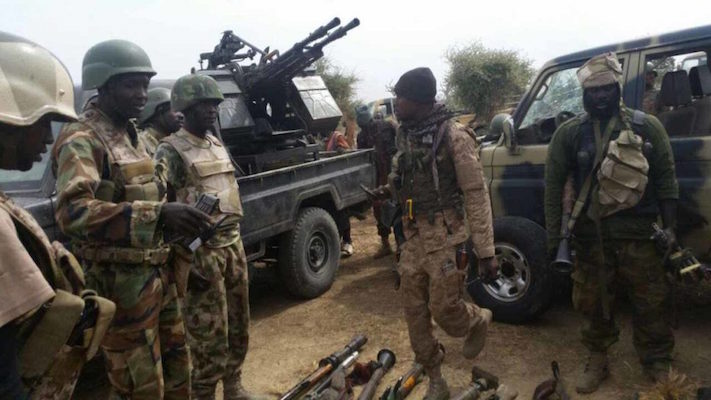
Suspected armed bandits on Sunday 15th August, 2021 abducted more students and teachers in Zamfara State. The latest incident at the State’s College of Agriculture and Animal Science in Bakura Local Government Area of the State as well as the killing of 21 innocent travellers in Jos Plateau State again call to question the propriety of the humongous security spending in the country.
Ordinarily, higher security spending should lead to reduction in insecurity, but in Nigeria, the reverse is the case. Despite spending an estimated N8 trillion in the last 6 years on security matters, nothing seems to be working. At the same time, the government is even seeking more funds for the same purpose without accounting for the funds so far spent or justifying its usage. This practice is unacceptable.
Nigerians must be made to know what the funds have been used for and the achievements recorded in actual terms.
It puzzles the mind that such a huge amount would be spent with no tangible result. It can only happen in Nigeria. The public would be interested to know what happened to the huge funds, to what use the funds were put into and those entrusted with the management of the funds.

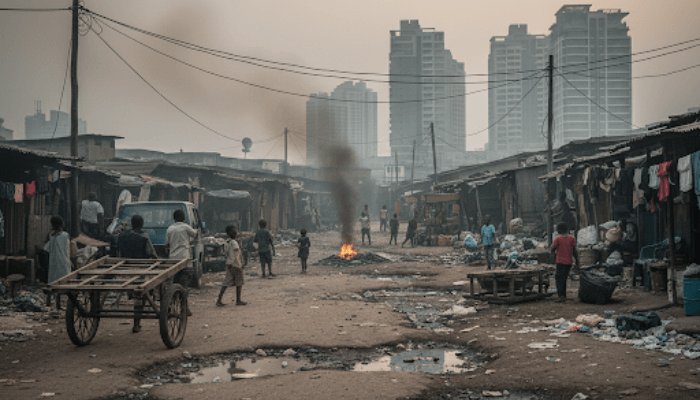
With revenue shortfalls and the continuous increase in security spending, other important sectors necessary to create jobs and improve the standard of living of Nigerians are being adversely affected at a time the country is facing high unemployment, inflation, fragile growth, and rising poverty.
Read Also: Nigerian Armed Forces Support Fund Bill holds solution to Nigeria’s security challenge – Experts
Throwing money at the problem has not been successful, because the 2020 Global Terrorism Index ranked Nigeria as the third most terrorized country in the world, after Syria and Afghanistan
Between 2015 and 2020, Nigeria budgeted on average, N1.3 trillion on security, a BusinessDay’s analysis of the country’s security expenditure from the budgets shows. This is the highest security appropriation when compared to an average of N880 billion under Goodluck Johnathan’s administration between 2010-2015; N454.9 billion under Umaru Yar’Adua’s government between 2007-2010, and N101.9 billion during the administration of Olusegun Obasanjo between 1999-2007.
Throwing money at the problem has not been successful, because the 2020 Global Terrorism Index ranked Nigeria as the third most terrorized country in the world, after Syria and Afghanistan all which are countries at war.

From armed robbery during Olusegun Obasanjo’s regime, to militancy in Umaru Yar’Adua’s tenure, now, the country is battling banditry, herdsmen attacks, kidnapping, and insurgency in the North, making Nigeria the most terrorized country in the continent. At the same time, the local currency, the Naira, has been devalued by about 50 percent in the last few years, making the cost of weapons and military hardware much more expensive to acquire, especially as the country imports these critical items.
For any economy to have sustainable growth and development, security is critical. Its absence in Nigeria has made the economy insecure, lowered economic growth and created high volatility, uncertainty, and unemployment in the country.
From 2007 – 2019, a UNDP study estimates that Nigeria lost $141.9 billion of production to security-related violence. Suffice to say that our country is experiencing a very low economic growth rate of 0.11 percent because the impact of the humongous spending on security is not being felt.
Coupled with these are concerns around corruption in the utilisation of the funds. It is therefore more urgent that the National Assembly wakes up to its oversight duties.
We do not contest the imperative of increased funding on security because the life of a human being is irreplaceable, and the stability of the country is paramount. However, the major challenge is the absence of a monitoring mechanism to check how the funds are spent because chances are that some few persons could be taking advantage of the security issues in the country.
Going forward, there is the need to re-strategise by exploring all possible options including seeking the assistance of external powers.
Furthermore, the government should enhance the implementation of policies aimed at improving access and quality of education in underserved areas, implement existing law on compulsory attendance of primary school, to reduce the number of out of school children, a key recruiting ground for thugs. Furthermore, resolving grievances around exclusion from access to power, opportunity, and representation through dialogue.