|
Getting your Trinity Audio player ready...
|
Nigeria stands at a pivotal moment in its journey to protect its rich biodiversity and combat the increasing threat of illegal wildlife trafficking. As one of Africa’s most biologically diverse nations and simultaneously a recognised hub for the illegal trade in endangered species, Nigeria has a responsibility to lead by example. The proposed Endangered Species Conservation and Protection Bill, currently before the National Assembly, is a bold and necessary response to this national and global crisis.
The Pangolin Conservation Guild Nigeria (PCGN), under the leadership of its Chair and Founder, Prof. Olajumoke Morenikeji, strongly supports this bill and calls for its urgent passage and immediate enactment into law.
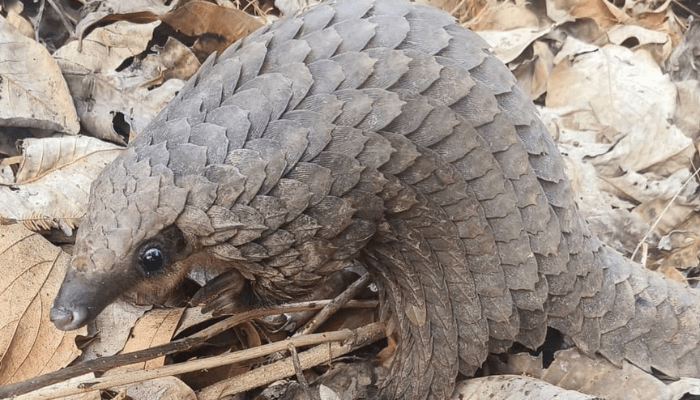
Over the past decade, PCGN has worked tirelessly to protect pangolins, the most trafficked mammal in the world. Nigeria has, unfortunately, become a major transit point for the trafficking of pangolins and other endangered wildlife. Seizures of pangolin scales totalling over 20 tonnes in recent years reflect the scale of this crisis. Yet, despite these efforts by law enforcement, the absence of strong legal backing has meant that many traffickers walk free, penalties are weak, and convictions are rare.
The Wildlife Protection Bill offers a timely and comprehensive solution to this. It modernises Nigeria’s conservation laws, replacing outdated provisions in the 1985 Endangered Species Act with a robust framework capable of addressing today’s challenges. The Bill introduces stiffer penalties for traffickers, empowers law enforcement agencies with better tools for investigation and prosecution, and aligns Nigeria’s domestic policies with international conventions such as CITES (the Convention on International Trade in Endangered Species) and the United Nations Convention against Transnational Organised Crime (UNTOC).

Notably, the bill includes provisions for the forfeiture of assets acquired through wildlife crime, corporate liability, and the expedited prosecution of offenders, all of which are essential for dismantling the sophisticated networks that drive illegal wildlife trade in Nigeria.
PCGN commends the Federal Ministry of Environment for draughting this landmark legislation and Hon. Terseer Ugbor for sponsoring it in the House of Representatives. We also applaud the joint House Committees on Environment and Treaties for hosting public hearings and incorporating input from civil society, environmental NGOs, enforcement agencies, and local communities.
We believe that this is not just a bill to protect animals. It is a bill to protect Nigeria. Our forests, rivers, and savannahs hold extraordinary ecological value, and the communities that depend on them must be safeguarded from the long-term consequences of biodiversity loss. The Bill is a powerful step toward ensuring that future generations of Nigerians inherit a natural heritage that is still alive, thriving, and protected by law.
As Chair and Founder of PCGN, Prof. Olajumoke Morenikeji reiterates our organisation’s unwavering support for this legislation and calls on the National Assembly to complete the legislative process without delay. We further urge the President to give his assent promptly upon its passage and for all relevant agencies to begin immediate implementation with adequate funding, training, and community engagement.
Nigeria has a chance to turn the tide and to move from being a corridor for wildlife crime to a champion of conservation. Let us seize this moment with courage, conviction, and clarity of purpose.

Olajumoke Morenikeji is a professor at the Department of Zoology, University of Ibadan, and the head and founder of the Pangolin Conservation Guild Nigeria (PCGN).