Stakeholders, under the auspices of the Nigeria Socio-Ecological Alternatives Convergence (NSAC), have raised an alarm, saying that Nigeria currently faces environmental emergency, just as they stress the need for immediate action to address the country’s environmental crisis.
The convergence brought together stakeholders from Nigeria and other African countries to discuss alternatives for socio-ecological cohesion. Participants highlighted the need for a comprehensive overhaul of the current system, which prioritises destructive extraction over ecological safety
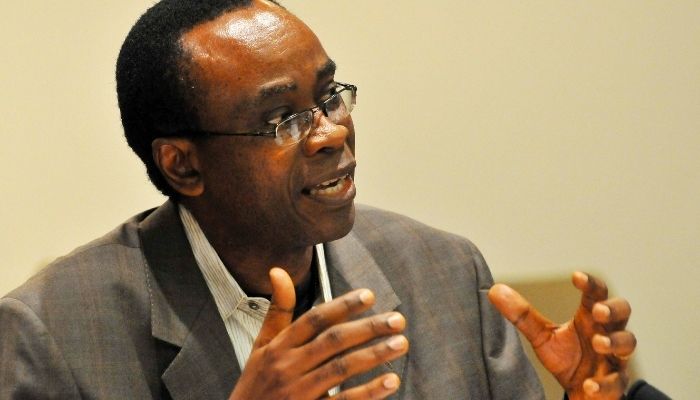
Speaking at the 2nd NSAC held in Abuja on Monday, which was organised by the Health of Mother Earth Foundation (HOMEF) with the support from the FORD Foundation, Nnimmo Bassey, Director, HOMEF, noted the urgent need for action to address country’s environmental crisis.
According to Bassey, “The fabric of Nigeria’s social and environmental conditions is literally stretched to the limit. It’s getting more complicated. It’s getting more serious. Every single moment that passes, the crisis gets more complicated.”

Bassey cited the example of the UNEP report on Ogoniland, which revealed that pollution in the soil had reached a depth of 10 metres, far exceeding the initial 5 metres reported in 2011. He also highlighted the Ororo oil field, located within Oil Mining Lease (OML) 95 offshore Ondo State, which had been burning for over five years.
Presenting the call to action by the NSAC Charter, Bassey stated the key demands to include, Access to water as a human right, Recognition of the Rights of Nature, Inclusive policy development, Just energy transition to renewable energy, Job transitioning, Transition to agroecology, Protection of wetlands and halt to indiscriminate land reclamation, Enforcement of mining regulations, Decommissioning of mines and oil wells at end of life and Reparations for ecological damage to affected communities
The convergence called on the Government to take immediate action to address the environmental crisis. Participants emphasised the need for a national environmental security state of emergency and the recognition of ecocide as a crime in the Rome Statute.
As Bassey stated, “Waiting before acting is a luxury the people cannot afford. The clarion call for action is urgent and critically existential.” The convergence aims to birth a Nigeria where ecological integrity, social justice, and economic wellbeing coexist, and where the rights of nature are respected.
Bassey noted that other countries, such as Kenya, South Africa, Ecuador, Bolivia, and Venezuela, have constitutional provisions for environmental rights or the Rights of Nature. He emphasised the need for Nigeria to learn from these examples and adopt similar approaches.

Stakeholders are calling for policy implementation at the grassroots level to address the environmental crisis.
Jaiye Gaskia, Lead, Centre for Transformative Governance in Nigeria, noted that “unless we transition from the way and manner of doing things… the businesses and everything, they are structured in a manner that the way they operate cannot but devastate the environment.”
Gaskia stressed the need for a new approach to environmental governance, one that recognises humans as part of nature, not just intrinsic to it. “It is only when we begin to see ourselves that way, that then we would understand that taking care of the environment means taking care of ourselves.”
In his keynote address, Emmanuel Oladipo, a retired Professor of Climatology, highlighted the complexity of the environmental challenges facing Nigeria,he emphasized the need for integrated policy interventions.
“The environment is very complex and it’s made up of various components, including we human beings that interact together to either develop or destroy the environment”, he added.
While noting that the drivers of Socio Ecological crises include lack of political will and leadership, limited effectiveness of current governance structure, inadequate participation and engagement of all stakeholders, he stated that a recent review of about 56 environmental-related policies indicated several gaps and challenges including that the current national policy on the environment (2019) is grossly inadequate to accommodate and address the various socio-ecological challenges of Nigeria’s environment.
Meanwhile, Oba Oluwambe Ojagbohunmi, Ogeloyinbo of Ayetoro Community and Spiritual Head of The Holy Apostles’ Church, said his community, Ayetoro, a coastal community in Ilaje Local Government Area of Ondo State, was one of the many communities affected by environmental degradation.
“We have lost 80% of the buildings”. The Oba lamented that the community had been seeking government assistance to address the crisis, to no avail. He lamented that the community had lost over N200 billion in financial value and had been left to fend for itself, despite billions of naira contracts awarded to remedy the situation.
The convergence featured participants from several African countries, including Burkina Faso, Cameroon, Ghana, Mali, Mozambique, Senegal, Sierra Leone, and Togo. Bassey announced that the reality of having an African Socioecological Alternatives Convergence (ASAC) is drawing near, highlighting the growing regional solidarity in addressing socioecological challenges.