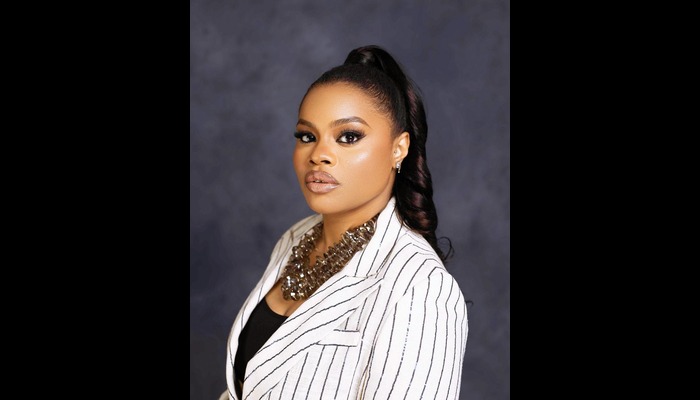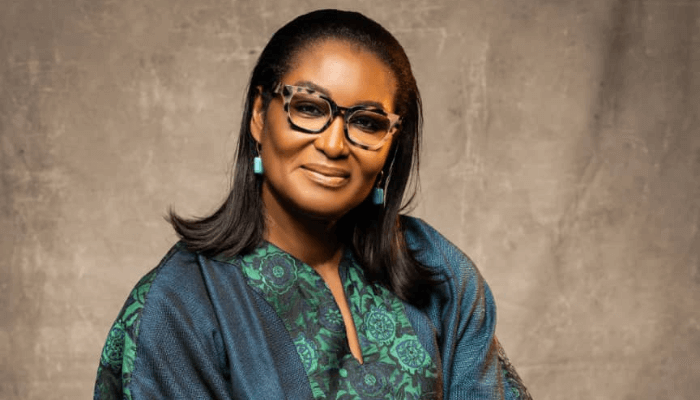
Femi Olayebi stands as the visionary force behind the prestigious FemiHandbags brand. With over three decades of expertise in leather craftsmanship, Olayebi has evolved from her early handbag designs in 1992 to become one of Africa’s most respected authorities in luxury leather goods. Her talent and design expertise earned recognition as a Goldman Sachs 10,000 Women scholar in 2008, while her masterful creations gained international acclaim at the Pure London handbag showcase in 2010. By 2012, her business success had become a case study at Lagos Business School, cementing her reputation as an industry pioneer. In 2017, Olayebi revolutionised Nigeria’s leather industry by establishing the Lagos Leather Fair, creating the first dedicated platform connecting designers with stakeholders across the leather value chain. Her international influence expanded in 2019 through representation at New York trade shows via SheTrades, demonstrating her status as a global industry voice.
During the COVID-19 pandemic, Olayebi demonstrated her versatile expertise, partnering with the Mastercard Foundation to produce vital PPE across five Nigerian states. Her commitment to industry advancement continues through Kafawa, a training program developed with the Mastercard Foundation’s Young Africa Works initiative.
Recently honoured with the prestigious Legatum Foundry Fellowship from MIT’s Legatum Centre for Development and Entrepreneurship, Olayebi continues to balance her professional achievements with family life in Ibadan, Nigeria, where she resides with her husband Bankole, a book publisher, and their three daughters.
In this interview with IFEOMA OKEKE-KORIEOCHA, she takes us through her journey of little beginnings to building a strong brand aesthetic. She also speaks on why she established the Lagos Leather Fair and some of its success stories since the event started.

What inspired you to start designing handbags in 1992, and how has your design aesthetic evolved over the years?
My journey began quite unintentionally, and from a very personal space – one that I didn’t realise would become so significant years down the road. I was expecting my first daughter and went in search of a diaper bag that would not just be functional , but stylish and cute. Unfortunately, I couldn’t find any that I liked, so I decided to make one myself. I had just learnt how to use a sewing machine, so I had the basic sewing skills required to put one together. I headed to the market, bought some pretty fabric and proceeded to cut and sew my very first bag. But that’s not the story. To my surprise, friends and aunties started making requests for diaper bags, and before I knew what was happening, I was selling diaper bags, then exploring and experimenting with different fabrics to create regular everyday handbags, and registering and running a business the best way I knew how! It’s been thirty-something years, and naturally my design aesthetic has evolved from creating simple, functional albeit quirky pieces to more refined, expressive pieces that blend traditional production methods with contemporary elegance. Today, we’ve built a strong brand aesthetic, we’re telling stories through texture, form, bold colour palettes, and handcrafted details, and cultivated a strong customer base that not only believes in the brand but proudly champions it.
How did your early experiences shape your approach to luxury leather goods?
Those early years were about exploring, experimenting and learning on the job. I didn’t have any formal training in fashion or design, so I simply figured things out as I went along. For many years, fabric was my medium of choice — first of all it was more readily available and secondly, pretty easy to render. But I was always really fascinated by the beauty and the richness of leather as a material, the potential it held, and the level of meticulousness and craftsmanship it demanded. And so, when in 2010, I had the opportunity to participate at my first international exhibition and create my very first collection, I decided that leather would be my canvas. This of course meant that I had to be even more intentional not just about the design, but about the quality and the finishing of the pieces I was creating. I believe that it has been that drive for excellence right from the beginning that has helped shape my brand’s approach to creating luxury, and because we are a value-driven brand, the focus is constantly on the highest quality materials, well-crafted classic silhouettes, meticulous attention to detail, and great customer service. These are simply non-negotiable.
What motivated you to establish the Lagos Leather Fair, and what impact do you hope it will have on the industry?

Having operated within the leather space for many years, I found that significant gaps existed throughout the Nigerian leather value chain, and that the industry faced widespread misconceptions and a general lack of misunderstanding among the general public. At the time, industry reports suggested that Nigeria’s leather sector had the potential to generate one million USD by 2025, yet, limitations such as fragmented supply chains, lack of visibility, and poor infrastructure limited the ability of leather creatives to scale their operations and realise their full potential. Not only that, I also realised that there was no specialised retail and networking platform in Nigeria that was exclusively dedicated to the leather sector. I was inspired by the numerous international leather Fairs I had attended over the years, but probably the most by Lineapelle in Milan — and decided to create a similar concept back home in Nigeria. Lagos Leather Fair was designed to provide visibility for leather designers, showcase local talent, bring together industry stakeholders, and connect designers, producers, policymakers, investors, etc. It was also a great avenue to shine a spotlight on not just the pressing challenges, but also on the huge potential within the industry. The Fair has created massive awareness of the happenings within our industry, changed the narrative around Made-in-Nigeria leather goods, and given incredible exposure to designers. I hope that LLF will continue to serve as a catalyst for change, and drive investment (from government or otherwise) that supports artisan training, access to raw materials, and the provision of modernised production facilities.
How does the fair support emerging designers and promote industry growth?
LLF has always provided a platform for emerging designers to showcase their work, and learn from seasoned professionals. This comes from a deeply personal place and a good understanding of their pain points — I started out with no support, no role models, and no mentors, and for a long time simply coursed along and figured it all out as I went along. LLF is very big on training, and we do that through workshops, masterclasses, and insightful discussions facilitated by industry experts. Last year, we launched the LLF Accelerator, a 6-week programme designed to empower emerging leather entrepreneurs and equip them with essential skills, resources, and mentorship opportunities. This is done with the help of a comprehensive curriculum covering product design, branding and marketing, e-commerce strategies, business operations and so much more. The second edition is already on-going, and this year, we are bringing Waridi Wardah Schrobsdorff, a seasoned fashion enthusiast based in Berlin to run a 3-day interactive workshop that will focus on the principles of building a unique brand identity in order to achieve growth. The goal of all this is to help the younger ones move from being passion-driven entrepreneurs to industry-ready brands.
What challenges do you see facing the African leather industry, and how can they be addressed?
The challenges facing the leather industry are multi-layered, but in my opinion, and this is more specific to my end of the value chain, the most pressing challenge of all is the lack of skilled artisans. Many of the ones available lack formal training, which affects product quality and consistency. This is closely followed by poor access to quality raw materials, including finished processed leather and specialised accessories and hardware, inadequate machinery and equipment which limits production efficiency, limited training opportunities, a fractured supply chain, and poor infrastructure. Added to these is poor access to financing and limited market exposure. Many leather businesses struggle to scale because of the lack of a support system, while many others depend heavily on imports. To address these, we need more collaboration across public and private sectors, we need to invest in high quality training and skills-development programmes to develop a skilled workforce, we need to take a long, hard look at the supply chain from production through to distribution and see how we can fix what’s broken, we need to establish small, manageable manufacturing hubs as a starting point, and finally, industry-specific platforms like Lagos Leather Fair need increased support to amplify their impact, scale planned initiatives, and provide greater access to training, market exposure and investment opportunities for leather entrepreneurs across the continent.
How important is sustainability in leather production, and what practices do you promote?
Sustainability is non-negotiable. For us at FemiHandbags, sustainability is not just a trend or a buzzword; it’s at the core of what we do daily. Sustainability is not just about materials — it’s also about mindsets, systems, and people. At the FemiHandbags atelier, we embrace slow fashion, we’re mindful of how we produce, and we focus on quality over quantity. Zero waste is standard at the factory, and I believe that African designers have generally practiced sustainability long before it became fashionable. To a large extent, creatives rely on local materials where possible, we’re very resourceful when it comes to the production methods we employ, we upcycle materials to avoid waste, and we use various handcrafting techniques to create our products. So sustainability is a practice that is rooted in necessity and one that we, creatives have long embraced, naturally.
How does it feel to have your business success featured as a case study at Lagos Business School?
It’s deeply humbling. I started with an old sewing machine, a baby by my side, a can-do attitude, and a deep desire to create beautiful things with my hands. I wasn’t thinking about case studies — or ecosystems for that matter. I never imagined that what started as a small experiment would one day become a subject of academic study at one of Nigeria’s most respected institutions. It’s truly surreal. It simply affirms the power of staying true to your vision, even when you haven’t the faintest clue where your journey is taking you. And to think that I’m still a work in progress! It is also a gentle reminder that, as cliché as this may sound, we must never underestimate or despise the value of small beginnings.
What does the Legatum Foundry Fellowship mean to you, and how will you leverage this opportunity?
Being part of the Legatum Foundry Fellowship is such an honour and one that I do not take for granted. Being at a growth phase and at an inflection point in my business, it was a powerful opportunity for me to step back, reflect and use the learnings during the 5- to 6- month stint to gain more clarity in terms of business direction. Beyond that, it offered a fantastic opportunity to meet and network with some of the most incredible entrepreneurs on the continent. I have continued to leverage the knowledge, the networks, and resources to keep refining my business model, not just for FemiHandbags, but also for what I refer to as my passion project — Lagos Leather Fair.
How do you balance your professional achievements with family life?
Balancing my professional achievements with family life definitely requires intentionality and a great deal of grace. I’ve come to understand that I can’t do it all at once, and that’s okay. I won’t say that I haven’t dropped the ball here and there, but I am extremely blessed to have such a strong support system — both at work and at home. My husband is my greatest champion, and my daughters are my constant source of inspiration and ‘grounding’, and then I have a great team that believes in the vision and shows up with passion and excellence every single day. It’s a delicate dance, and I do agree that the demands of running my business can be intense, but I am very intentional about being present for my family and my friends, and pulling myself back when I find myself ‘overdoing’ the work aspect. It’s not always easy, and as I grow older, it’s not just about professional wins, but more than anything, it’s about nurturing the relationships that matter most with intentionality.
What advice would you give to young entrepreneurs seeking to build a career in the creative industry?
Start small, but think big and stay deeply connected to your “why” — it will be your compass when everything else feels uncertain. Build slowly, and like I’m fond of saying, don’t try and build a million dollar business when you have not perfected your start-up. Keep learning, stay the course, stay focused, and don’t try and run someone else’s race. Trust your gut and don’t be afraid to take the road less travelled, to push the envelope and like they say, to colour outside the lines. Also as creatives, it’s easy to get caught up in the excitement of bringing our ideas to life and forget that creativity alone isn’t enough. As creatives, we tend to overlook the importance of structure, strategy and numbers — so it’s very important to remember that it’s the business side of things that will sustain our vision and help turn our passion into profit. Your purpose and your passion will carry you far, but you will also need a huge dose of patience to keep you going. So, stay grounded, seek mentorship where you can and let your watchwords be excellence and integrity — those are non-negotiable assets you must possess. But, most important of all, trust the process! There is no such thing as an overnight success!
What’s next for FemiHandbags, and how do you see the brand evolving in the future?
What’s next for FemiHandbags is scale — scaling our production, expanding our retail presence, strengthening our digital footprint, and entering new markets, with wisdom and with intention. We have built a strong design identity, and I see the brand evolving into a globally recognised label that continues to tell compelling stories through the authenticity and craftsmanship of every piece we create. We will invest more in talent, in tech and establish collaborations to drive growth, while staying true to our design ethos and brand culture. At the heart of it all, I want FemiHandbags to remain a proudly Made-in-Africa brand, and continue to represent the symbol of excellence that has come to be synonymous with our brand.
How will you continue to contribute to the growth and development of the African leather industry?
Over the past seven years, Lagos Leather Fair has become the leading platform dedicated to showcasing the talent of leather creatives, transforming Nigeria, and by extension, Africa’s leather industry and changing the narrative within a misunderstood sector. It has brought together thousands of attendees, industry experts and decision makers, and served as an avenue for connections and collaborations amongst industry stakeholders. It’s our 8th year, and we’re opening our doors to more brands from Ghana, South Africa and Senegal. I remain committed to scaling the work that we do at LLF through strategic partnerships to create long-term solutions through the Fair’s ecosystem approach. I will keep championing Made-in-Africa excellence, training artisans, providing mentorship for younger designers, and investing in local production — the more skilled hands we have, the stronger the industry becomes. The future for me is about impact, and I believe there’s room for all of us to grow. When the ecosystem thrives, we all win.